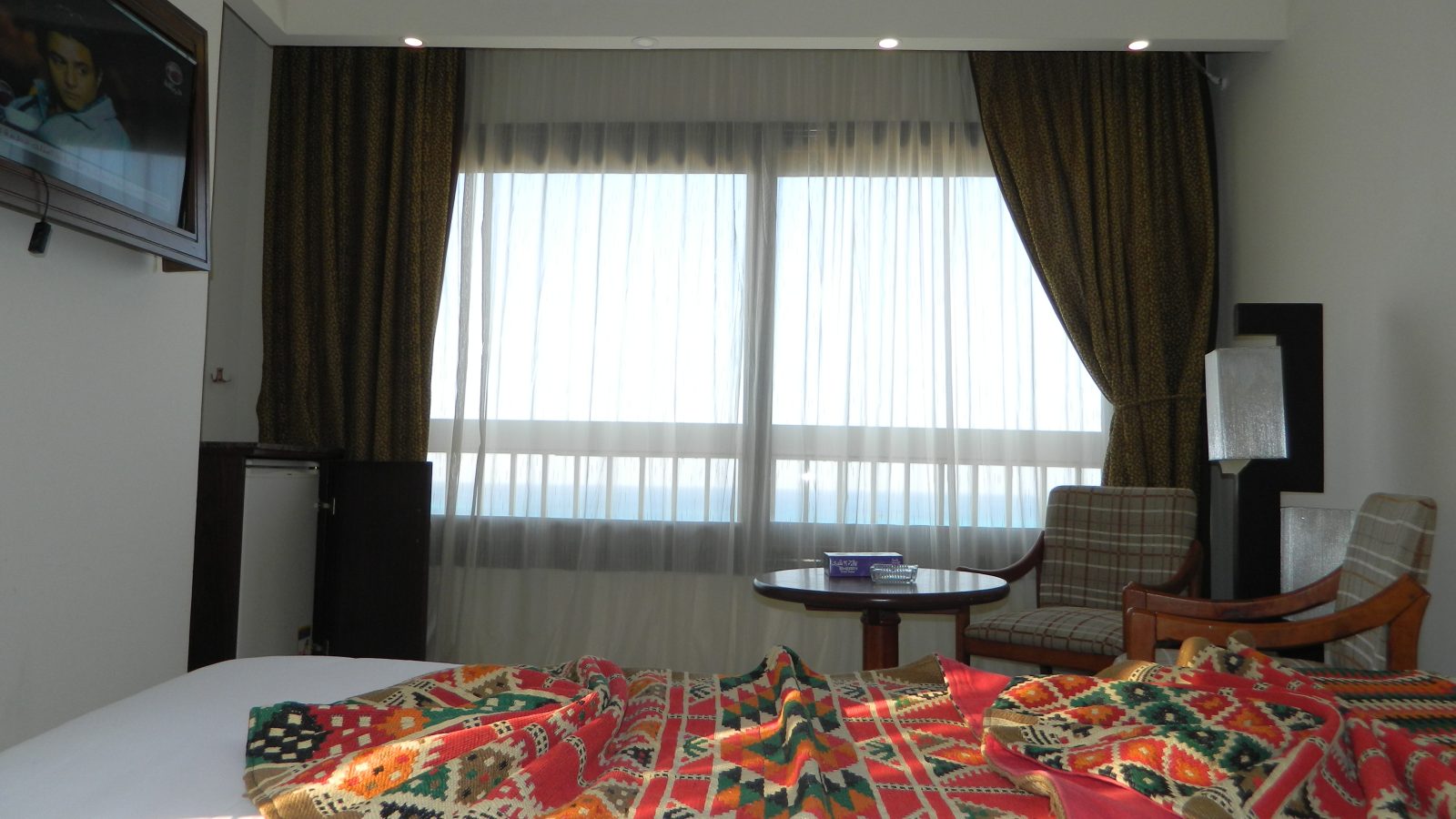
Sleep Tourism: Inside 2026’s Hotel Rest Retreat Boom

Sleep tourism has moved from wellness-magazine buzzword to a measurable hotel booking category. Chronically under-rested travelers are now choosing destinations and properties specifically to catch up on sleep, and hotels are responding with dedicated sleep menus, blackout-engineered rooms, and in-room sleep coaching. Here’s what’s driving the trend and how to plan a trip around it.
What Is Sleep Tourism?
Sleep tourism describes trips built around rest as the primary goal, rather than sightseeing or activities. That can mean a weekend at a property with a dedicated sleep program, or simply choosing a hotel room engineered for deeper rest over one chosen for its view or location.
Why It’s Growing Now
Widespread use of sleep-tracking wearables has made poor sleep visible and quantifiable in a way it wasn’t a decade ago. Once travelers could see their own sleep debt in data form, hotels had a clear opening to sell the fix.
Skift has reported that hotel groups are increasingly investing in sleep-specific amenities, from weighted blankets to in-room soundscapes, as part of a broader push into wellness-driven travel.
What a Sleep-Focused Stay Actually Includes
Programs vary by property, but several features have become common across the category.
- Sleep consultations: Some hotels offer a pre-stay questionnaire or in-person consultation to tailor room settings to a guest’s sleep patterns.
- Engineered darkness: Full blackout curtains, light-sealed door frames, and dimmable smart lighting that shifts color temperature toward evening.
- Sound design: White noise machines, soundproofing upgrades, and curated sleep playlists piped through in-room speakers.
- Mattress and pillow menus: Guests choose firmness and pillow type rather than accepting a single default setup.
- Circadian-friendly dining: Evening menus built around magnesium- and tryptophan-rich ingredients, timed earlier to support digestion before bed.
Where the Trend Is Strongest
Wellness Resort Destinations
Regions already known for spa and wellness tourism — parts of Switzerland, Southeast Asia, and the American Southwest — have been fastest to formalize sleep programs, building on infrastructure and staff expertise already in place.
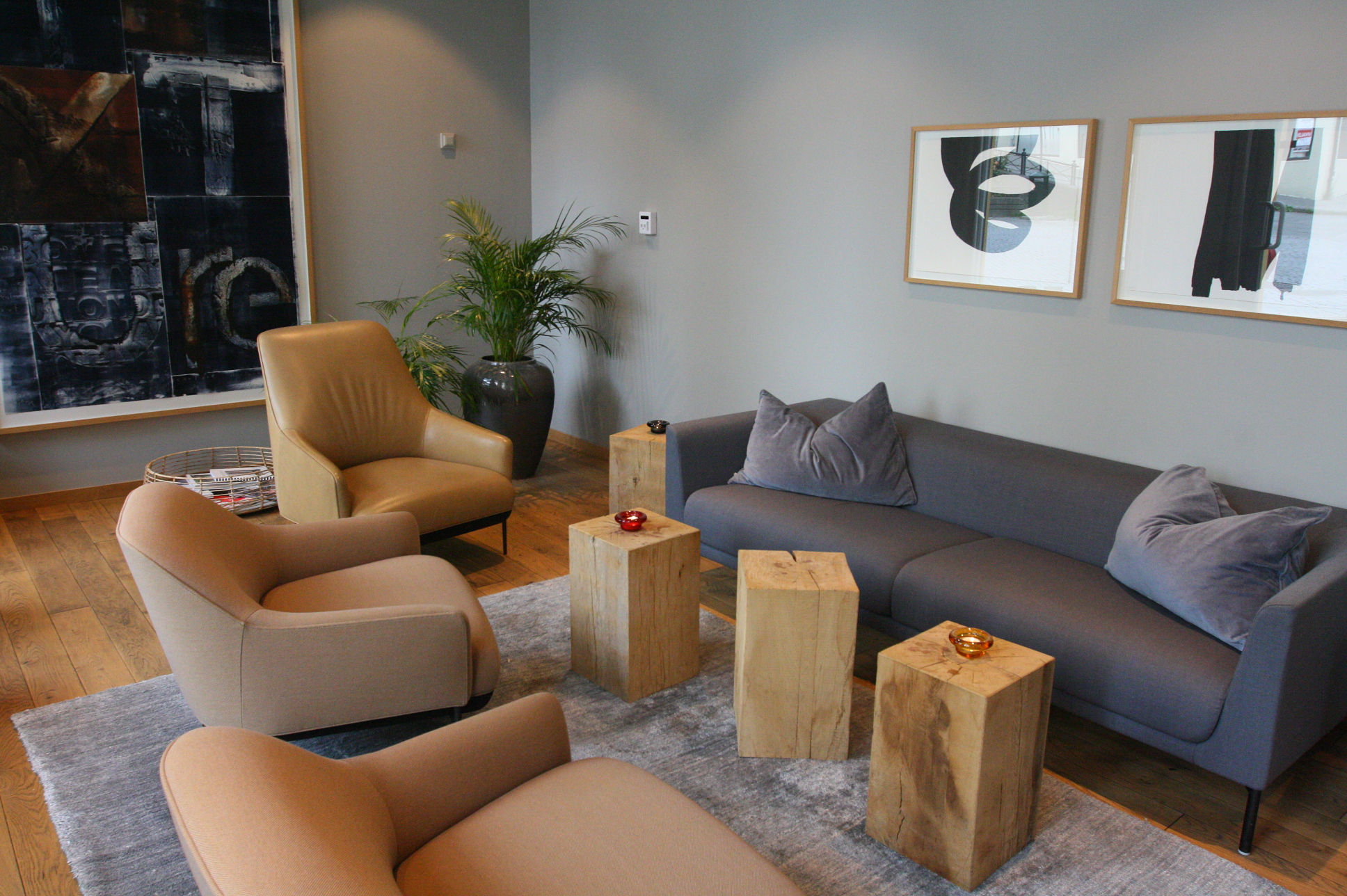
City Hotels Adding Sleep Menus
Urban business hotels have picked up the trend too, marketing sleep amenities to travelers dealing with jet lag or packed conference schedules rather than positioning it purely as a leisure product.
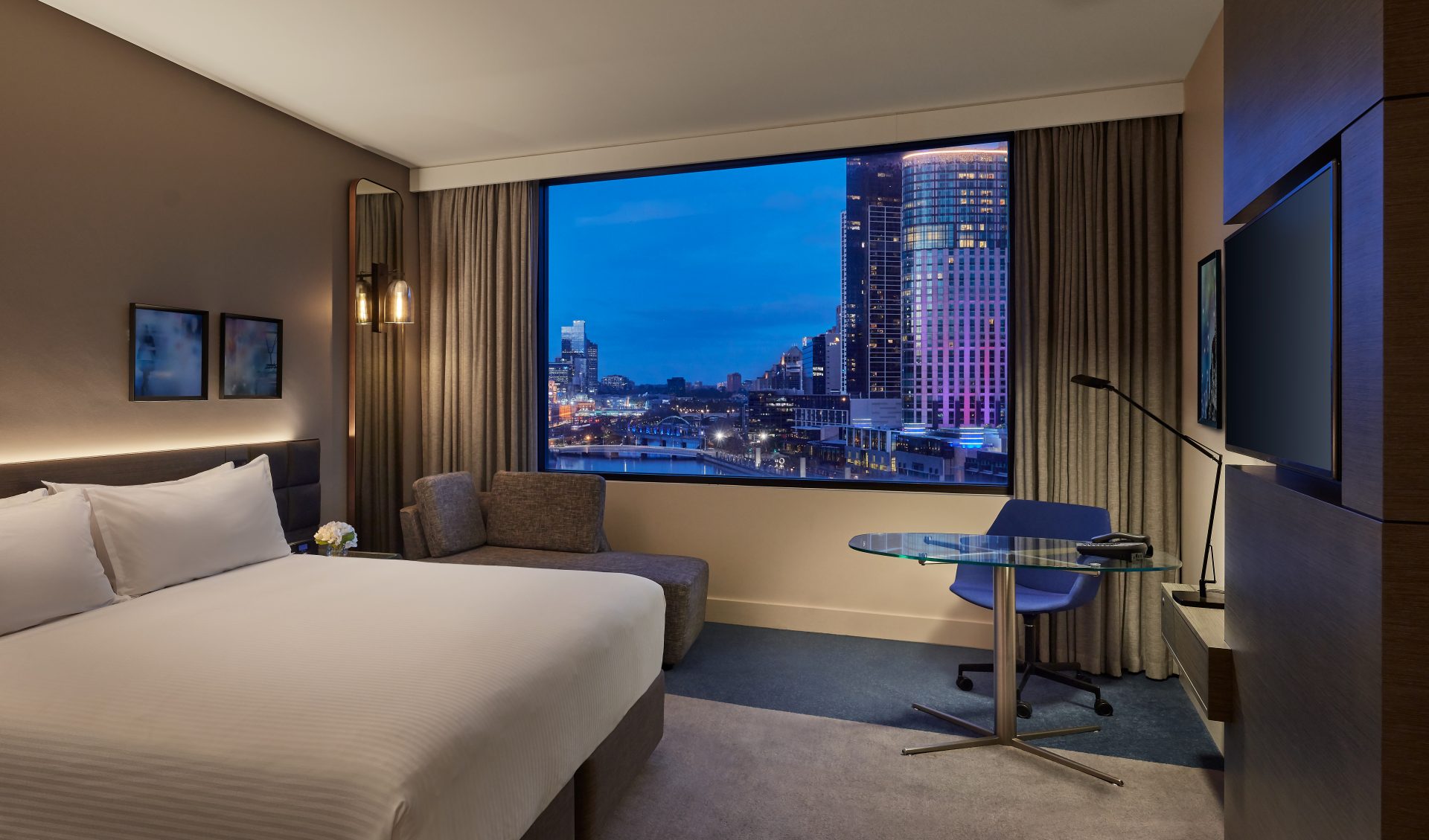
How to Plan a Sleep-Focused Trip
- Book rooms away from elevators, ice machines, and street-facing windows regardless of the property’s sleep marketing.
- Ask directly whether blackout curtains are full-coverage — many hotels use the term loosely.
- Avoid overpacking the itinerary; a sleep-focused trip works against its own goal if every day starts with an early tour.
- Bring your own sleep tracker if consistency matters to you, since hotel-provided data isn’t always shared post-stay.
Official tourism boards in several wellness-forward destinations have started promoting sleep-specific itineraries directly on their sites, making it easier to compare programs before booking.
Practical Takeaway
Sleep tourism works best as an addition to a trip’s structure, not an afterthought. Choose one or two nights specifically for rest — ideally at the start or end of a longer trip — rather than expecting a single hotel amenity to undo a week of red-eye flights and packed schedules. The consultation and room setup matter more than the marketing language a property uses to describe them.
Looking for a destination to plan a genuinely restful trip around? Our Amalfi Coast travel guide and this guide to treehouse hotels both make strong bases for a slower trip. And once you’ve caught up on sleep, refuel with this guide to where to eat in Seoul.
The Science Hotels Are Leaning On
Sleep tourism marketing draws heavily on established sleep science rather than inventing new claims. Circadian rhythm research has shown that consistent light and temperature cues help regulate the body’s internal clock, which is why so many sleep programs focus on dimmable, color-shifting lighting and room temperatures held around 65 degrees Fahrenheit — the range most sleep researchers associate with easier, deeper rest.
Jet Lag as a Growth Driver
International business travelers have become a key audience for sleep-focused hotel stays, since jet lag recovery time directly affects meeting performance and trip productivity. Several major hotel chains now market specific jet-lag protocols, including timed light exposure and adjusted meal service, aimed at helping guests reset their internal clock faster after long-haul flights.
Questions to Ask Before Booking a Sleep Program
- Is the sleep consultation included in the room rate, or billed as a separate add-on?
- Does the property offer a choice of pillow firmness and mattress type, or a single fixed setup?
- Are soundproofing upgrades built into the room, or limited to a white noise machine?
- What’s the cancellation policy if a promised feature — like full blackout coverage — doesn’t hold up on arrival?
Conclusion
Sleep tourism is less a fad than a logical response to how exhausted modern travelers have become. As more data ties sleep quality to overall trip satisfaction, expect more hotels — not just dedicated wellness resorts — to keep expanding their sleep-focused offerings well beyond 2026.
Related Articles

Set-Jetting: How Film and TV Locations Are Driving 2026 Travel
Set-jetting is sending travelers straight to the real-world locations behind their favorite shows and…

Coolcation Travel: Why 2026 Trips Chase Cooler Climates
Coolcation travel is reshaping summer 2026, as record heat pushes travelers toward Iceland, Norway,…
Digital Nomad Hotels: Inside the Co-Living Stay Boom
Digital nomad hotels are building coworking floors, flexible stays, and built-in community into their…