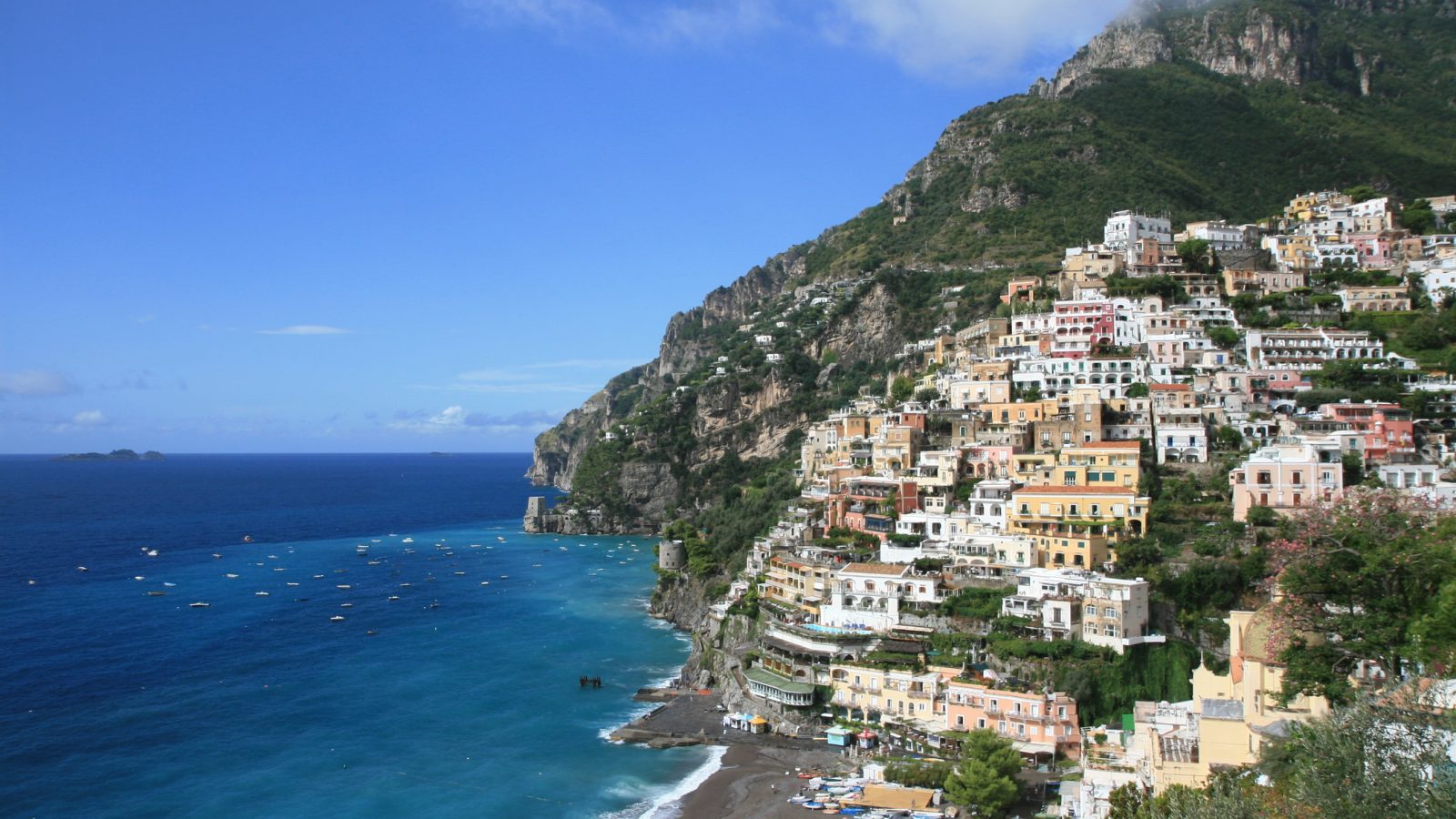
Amalfi Coast Travel Guide: Where to Go and Stay

Few coastlines earn their reputation the way the Amalfi Coast has. Pastel houses climb near-vertical cliffs above the Tyrrhenian Sea, lemon groves scent the air, and every switchback on the coastal road reveals another postcard view. This Amalfi Coast travel guide breaks down when to go, how to get around, and which towns deserve your limited time.
When to Visit the Amalfi Coast
Timing matters more here than in most destinations. The coast’s single narrow road becomes gridlocked in peak summer, so shoulder-season travel pays off in ways that go beyond avoiding crowds.
Late Spring: The Sweet Spot
May and early June bring warm days, blooming bougainvillea, and manageable crowds. Ferries between towns run on a fuller schedule, which matters because boats are often faster and calmer than the coastal road.
Early Autumn
September into early October keeps the sea warm enough for swimming while the worst of the summer congestion clears out. Restaurant reservations become easier, and hotel rates ease down from peak.
Italy’s National Tourism Agency (ENIT) has highlighted the Amalfi Coast as one of the country’s most visited UNESCO World Heritage Sites, noting that the region draws millions of visitors annually to its 50-kilometer stretch of coastline.
Getting Around Without a Car
Driving the Amalfi Coast’s SS163 road looks romantic in photos and feels stressful in practice. The road is narrow, walled by cliffs, and often bottlenecked by tour buses.
- Take the SITA bus between towns — inexpensive and frequent, though seating fills quickly in summer.
- Use ferries between Amalfi, Positano, and Salerno when the sea is calm; they skip traffic entirely.
- Book a private driver for early morning or late evening transfers, when the road is quieter.
- Base yourself in one or two towns rather than hopping hotels nightly.
Where to Go on an Amalfi Coast Travel Guide Itinerary
Four towns cover most of what makes this coastline worth the trip, and each has a distinct personality.
Positano
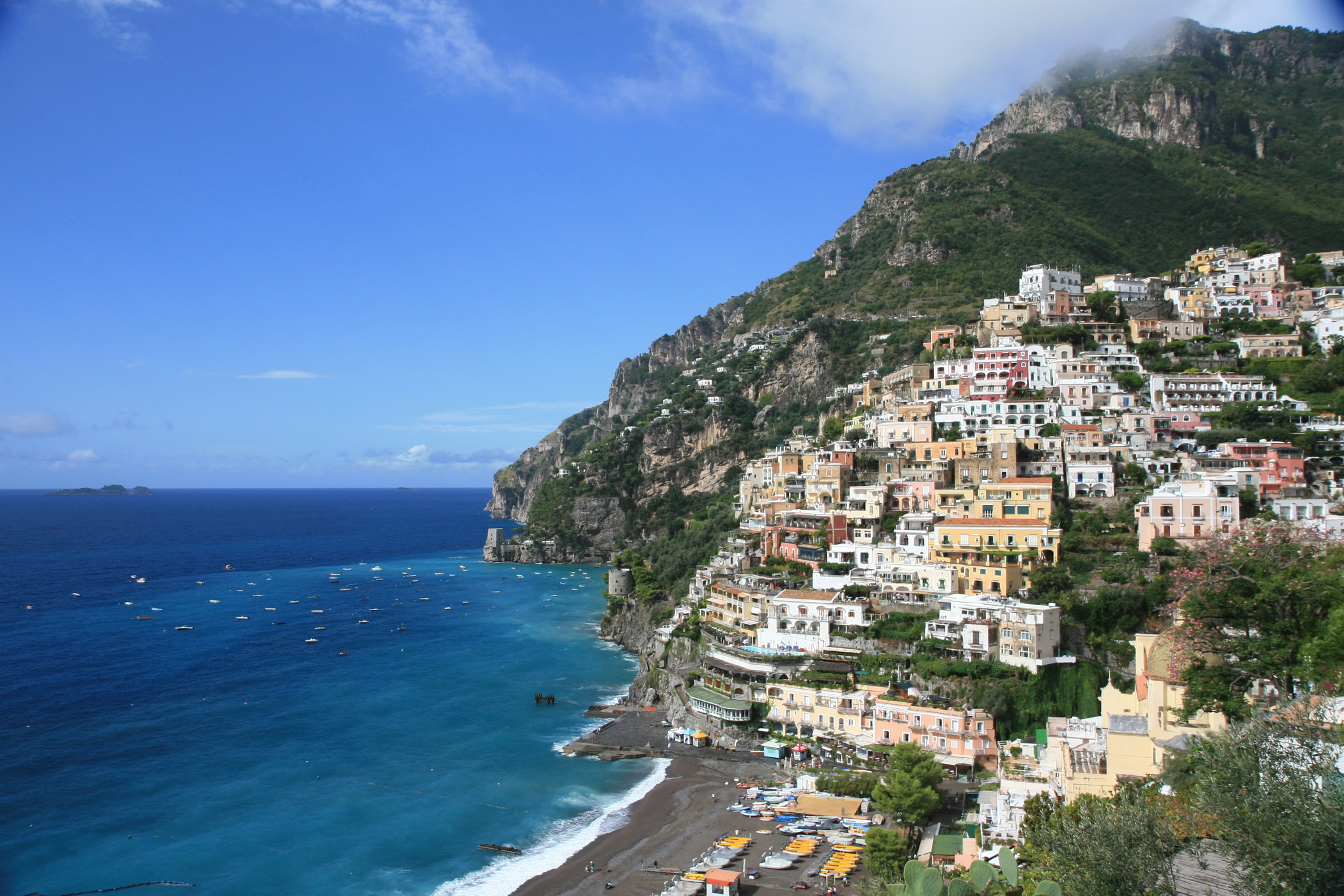
Positano is the coast’s most photographed town, its houses stacked like colorful terraces above the water. Mornings here are best spent walking the Via Positanesi d’America, a pedestrian path connecting the main beach to quieter Fornillo Beach.
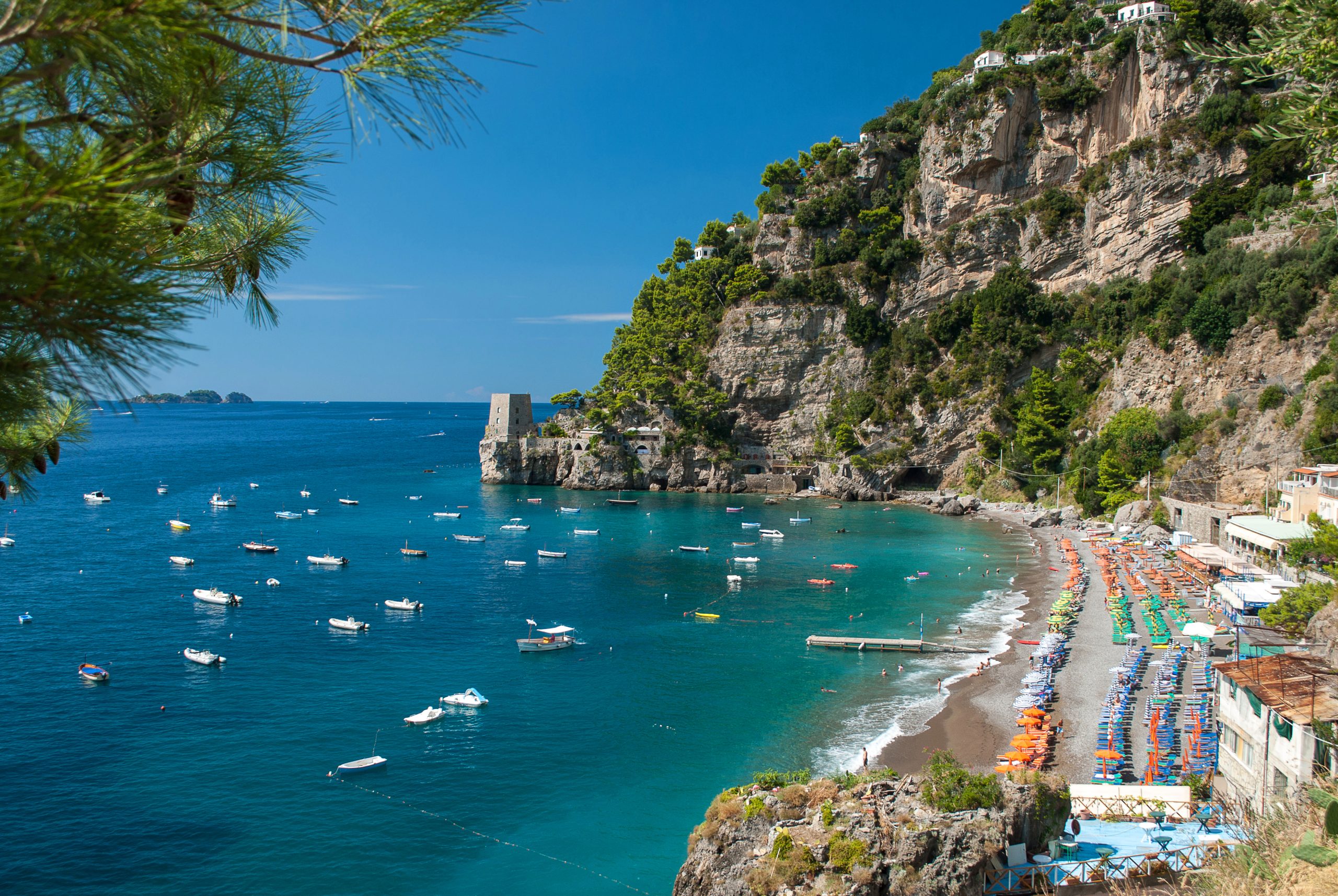
Fornillo Beach draws a more local crowd, with two casual beach clubs and far less foot traffic than the main strand below the church of Santa Maria Assunta.
Amalfi Town
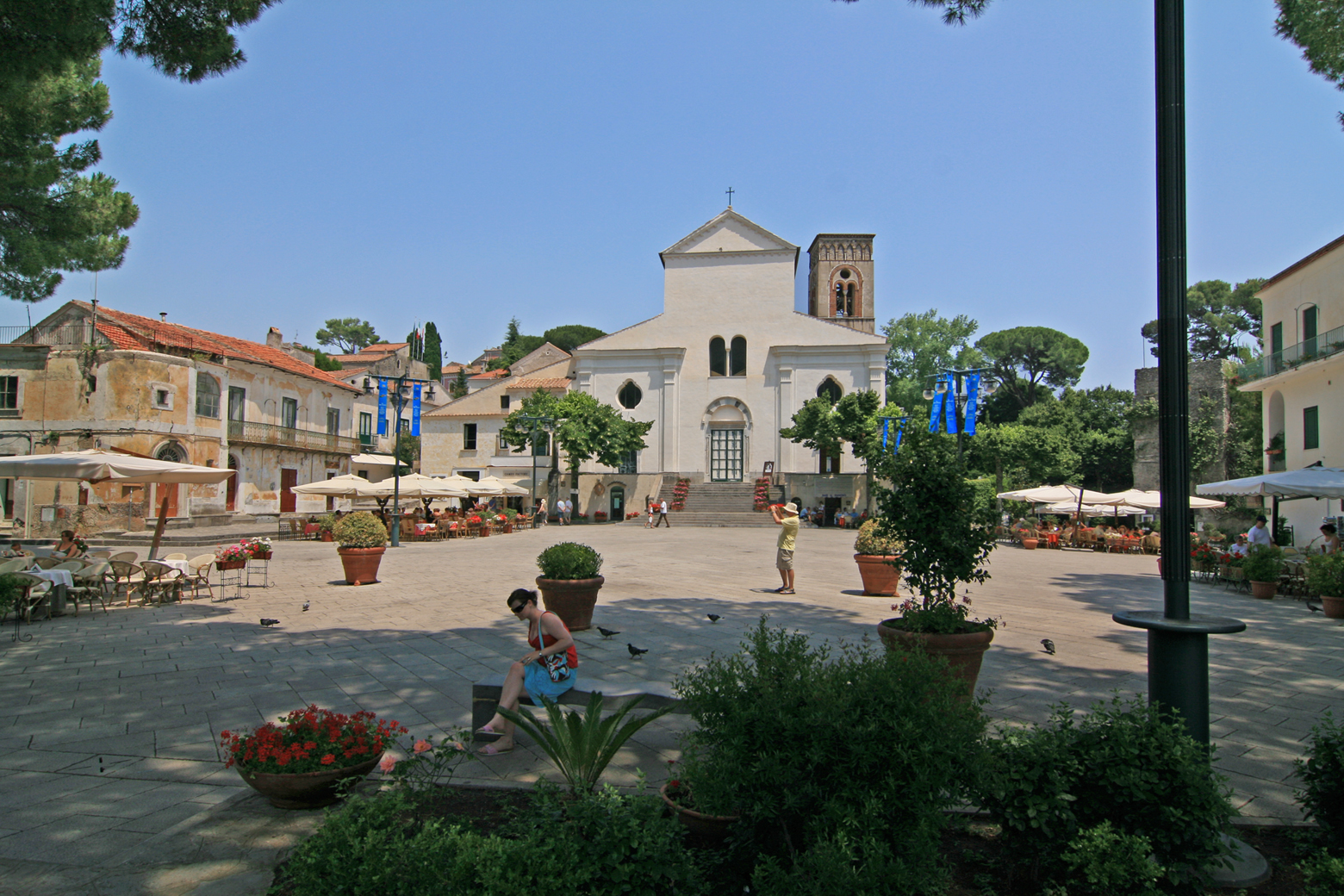
The town that gives the coast its name once ruled as a maritime republic. Its cathedral, Duomo di Sant’Andrea, sits atop a dramatic staircase in the main piazza, and the surrounding streets are easy to explore on foot in half a day.
Ravello
Perched higher above the sea than any other stop, Ravello trades beach access for some of the best panoramic views on the entire coast. Villa Rufolo and Villa Cimbrone both open their cliffside gardens to visitors, and Cimbrone’s “Terrace of the Infinite” is worth the entrance fee alone.
Praiano
Quieter and less expensive than its famous neighbors, Praiano makes a smart base for travelers who want coastal views without Positano’s price tag or crowds.
Where to Stay
Accommodation on the Amalfi Coast ranges from cliffside luxury to simple family-run guesthouses, and location matters as much as star rating.
- Positano: Splurge properties cluster near the main beach; quieter, better-value options sit up the hillside near Montepertuso.
- Amalfi: Central hotels put the cathedral and ferry dock within walking distance.
- Ravello: Fewer rooms overall, but views that rival anywhere on the coast.
For planning inspiration and up-to-date property reviews, Condé Nast Traveler regularly updates its coverage of the region’s top-rated hotels.
Practical Takeaway
Build any Amalfi Coast travel guide itinerary around fewer towns and more time in each one. Two or three nights based in Positano or Amalfi, with day trips by ferry or bus to Ravello and Praiano, beats a rushed loop through every stop. Pack comfortable shoes for the stairs, book restaurant tables ahead in summer, and confirm ferry schedules the day before, since sea conditions can cancel routes with little notice.
The coast’s terraced towns are a compelling reason to travel, but so is a good night’s rest afterward — see how sleep tourism is changing how hotels design for rest. If unusual lodging appeals to you, treehouse hotels offer a different kind of immersive stay, and food lovers planning a bigger trip might also enjoy this guide to where to eat in Seoul.
What to Eat Along the Coast
Amalfi Coast cuisine leans heavily on what comes from the surrounding water and hillsides, and the food is reason enough to linger over a meal rather than rush to the next viewpoint.
Seafood First
Look for scialatielli ai frutti di mare, a thick hand-cut pasta tossed with clams, mussels, and shrimp, alongside simply grilled catch of the day served with little more than lemon and olive oil. Coastal restaurants change their menus based on what boats bring in each morning, so asking for the day’s recommendation usually pays off.
Lemons, Everywhere
The coast’s famous Sfusato Amalfitano lemons show up in everything from limoncello to delicate lemon-dusted pastries called delizie al limone. A short walk through any hillside lemon grove explains why the fruit is treated as a point of local pride rather than a garnish.
Day Trips Worth the Detour
Beyond the four main towns, a few nearby stops reward travelers with an extra day to spare.
- Capri: A short ferry ride from Positano or Amalfi, Capri adds dramatic cliffs, the Blue Grotto sea cave, and considerably higher prices.
- Paestum: Well-preserved Greek temples sit roughly an hour south of Salerno, offering a change of pace from coastal scenery.
- Naples: The gateway city to the coast is worth a night on its own for its historic center and the birthplace-of-pizza food scene.
Conclusion
The Amalfi Coast rewards travelers who slow down. Whether it’s a sunset from Ravello’s gardens or a swim off Fornillo Beach, the coast’s appeal comes from lingering rather than checking towns off a list. Use this Amalfi Coast travel guide as a starting point, then leave room in the schedule to simply sit at a café table and watch the light change on the water.
Related Articles

Vienna Travel Guide: Best Time to Visit and Where to Stay
This Vienna travel guide covers the best time to visit, where to stay between…
Seville Travel Guide: Best Time to Visit and Where to Stay
This Seville travel guide covers the best time to visit, where to stay between…
Seville Travel Guide: Best Time to Visit and Where to Stay
This Seville travel guide covers the best time to visit, the sights worth building…