Coolcation Travel: Why 2026 Trips Chase Cooler Climates

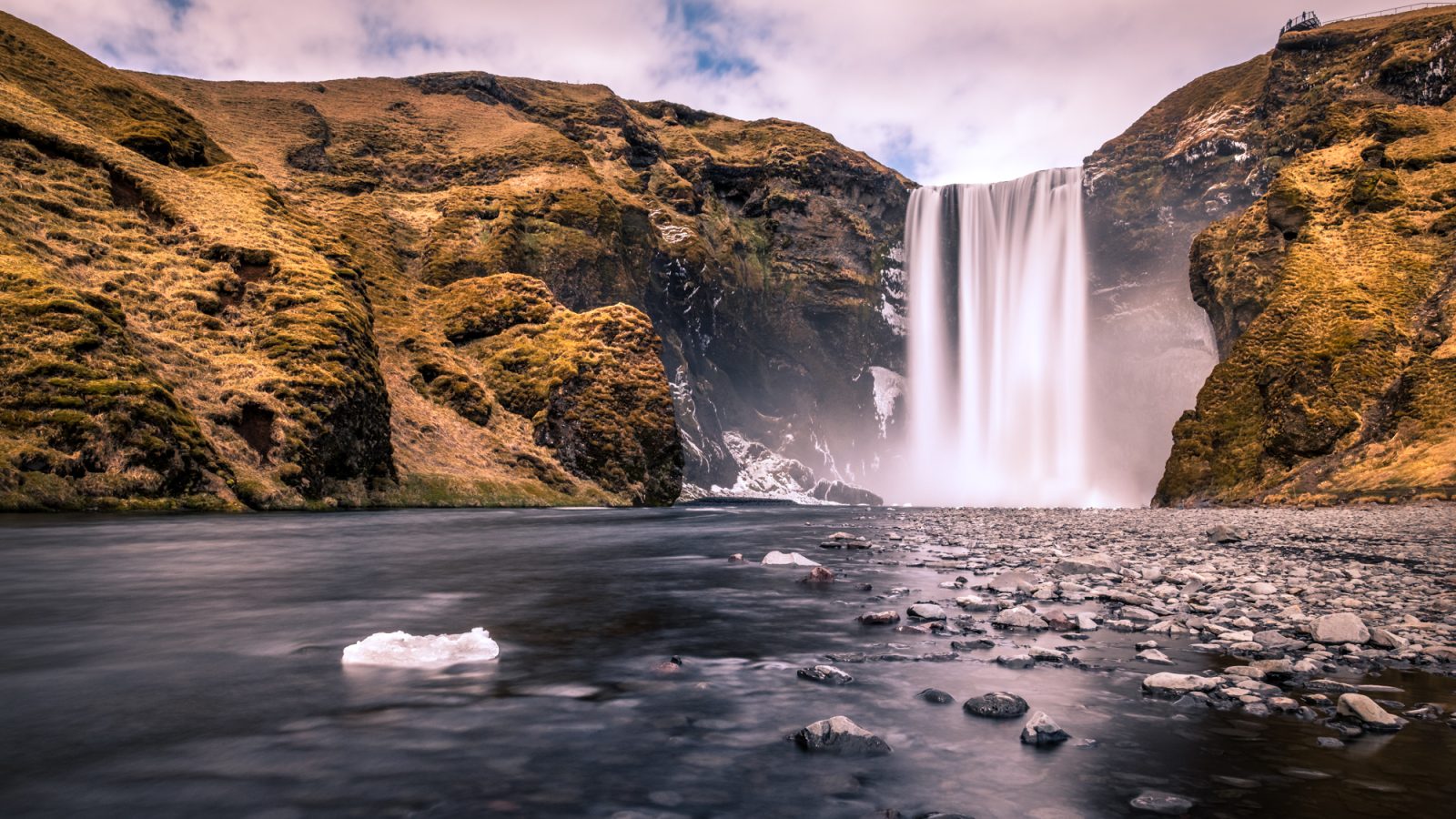
Coolcation travel is reshaping how a lot of people are booking their summer trips in 2026. Instead of chasing guaranteed sunshine on a Mediterranean beach, a growing share of travelers are picking destinations that stay comfortably cool — think Icelandic waterfalls, Norwegian fjords, and alpine villages — over the traditional hot-weather getaway. The shift isn’t just a mood; search and booking data both back it up, and it’s changing which destinations are winning the summer travel season.
What Is a Coolcation, Exactly?
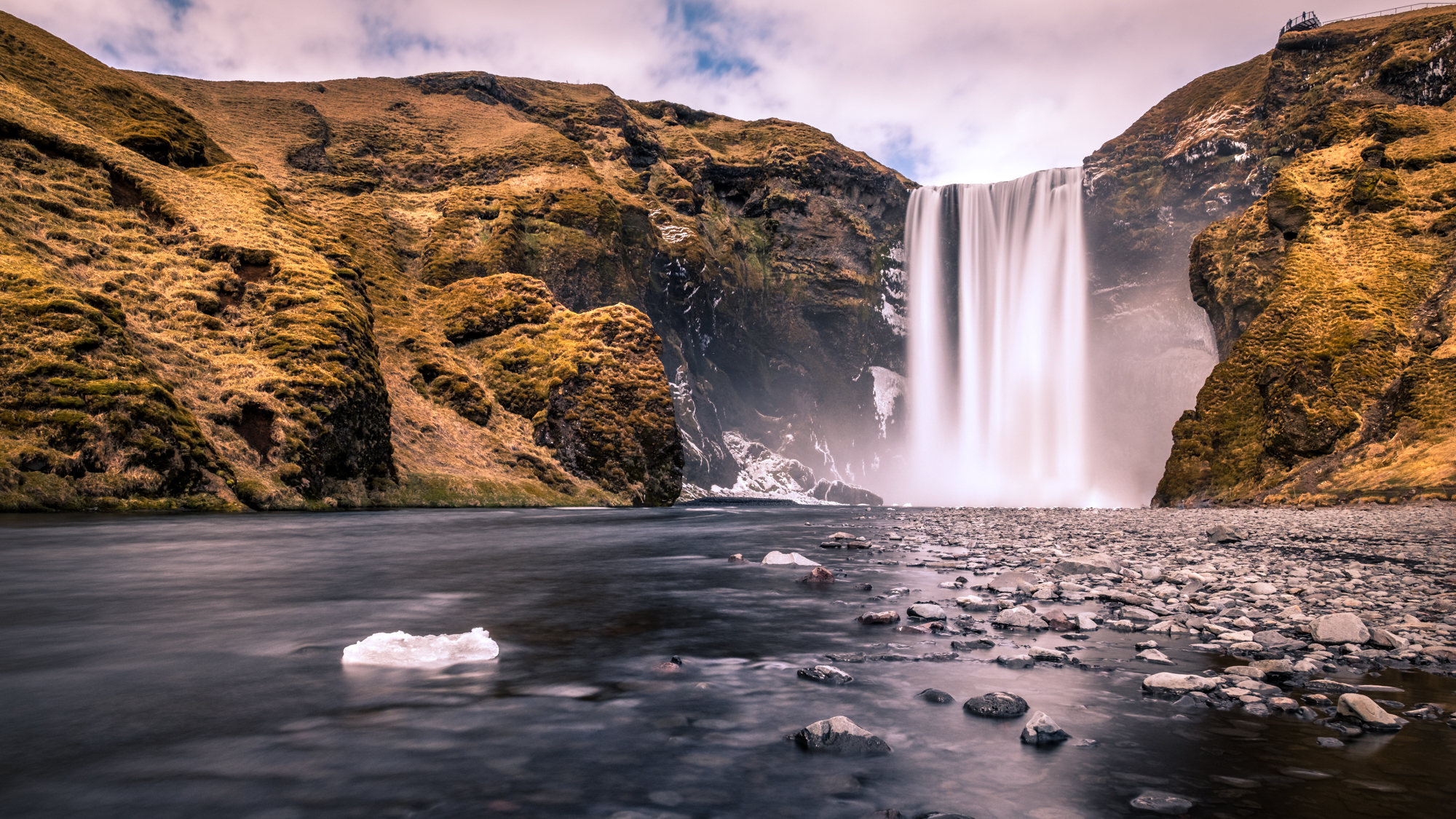
A coolcation is a trip planned around escaping summer heat by choosing a cooler-climate destination rather than a hot one. Typical coolcation spots sit somewhere between 10°C and 20°C (50–68°F) in summer, comfortable enough for full days of hiking or sightseeing without needing to retreat indoors by early afternoon. Iceland, Norway, Switzerland, Canada, and Greenland currently top most 2026 coolcation rankings, alongside rising picks like Slovenia and Estonia.
Why the term is suddenly everywhere
“Coolcation” isn’t a brand-new word — it first showed up in travel vernacular around 2023 — but 2026 is the year it became a measurable booking pattern rather than a buzzword. Trip.com reported a 74% year-over-year jump in searches for cooler-climate destinations since the start of 2026, and Iceland flight searches alone are up roughly 85%.
What’s Driving the Shift
Record heat across usual summer hotspots
The clearest driver is discomfort. France and Germany both set all-time national heat records in June 2026, with Germany reaching 106.7°F (41.5°C), and a record-breaking heat wave hit the U.S. East Coast in July, pushing Central Park to 100°F with heat indexes topping 110°F across the DC-to-Boston corridor. Traditional beach destinations across the Mediterranean and southern Asia are increasingly marked by extreme heat events and, in some regions, seasonal wildfires, which makes a midsummer trip there genuinely taxing rather than simply warm.
Comfort, health, and a values shift
The appeal goes beyond simply feeling cooler. Repeated heat waves are a real health risk for families, older travelers, and anyone with a heart or breathing condition, so a destination topping out in the high teens Celsius starts to look like the smarter choice rather than a compromise. The shift also connects to broader traveler values: many people now weigh sustainability and climate-conscious choices when picking a destination, and choosing a coolcation over another Mediterranean summer can double as both a comfort decision and a statement about the kind of tourism someone wants to support.
Where Travelers Are Actually Going
The Nordics lead the pack
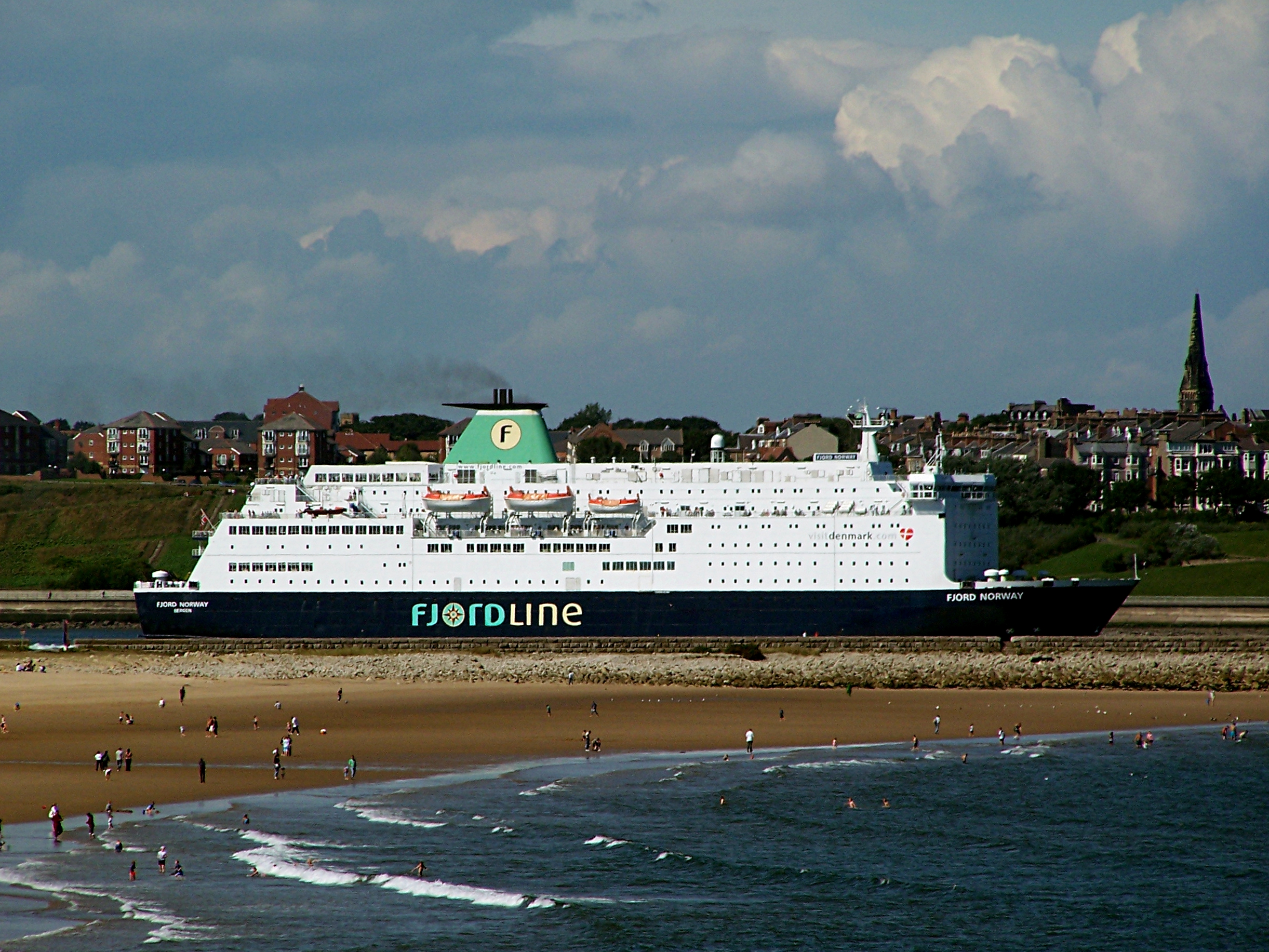
Scandinavia is the biggest beneficiary of the trend. Industry analysis projects travel to the region could climb by up to 35% in 2026, driven largely by coolcation demand, with bookings for Iceland, Norway, Finland, Sweden, and Denmark all rising as travelers swap Mediterranean heat domes for Arctic air and alpine breezes.
Beyond the obvious names
Switzerland, Slovenia, and the Faroe Islands are climbing the rankings alongside more established Nordic destinations, and Southern Hemisphere spots like Tasmania, Patagonia, and New Zealand are picking up travelers looking for winter conditions during the Northern Hemisphere’s hottest months. Most coolcation trips run three to four days, often tacked onto a longer European itinerary rather than booked as a standalone vacation.
Practical Takeaway for Planning a Coolcation
- Book early: Popular coolcation destinations like Iceland and Greenland are seeing tours booked to capacity well ahead of peak summer dates.
- Pack for layers, not just cool weather: Even reliably cool destinations can swing 10 degrees or more in a single day.
- Treat it as an add-on trip: Since most coolcations run three to four days, they pair naturally with a longer European or North American itinerary rather than replacing a main summer trip.
- Check shoulder-season pricing: As demand rises, popular coolcation destinations are seeing prices climb closer to those of traditional summer hotspots.
Who’s Actually Booking Coolcations
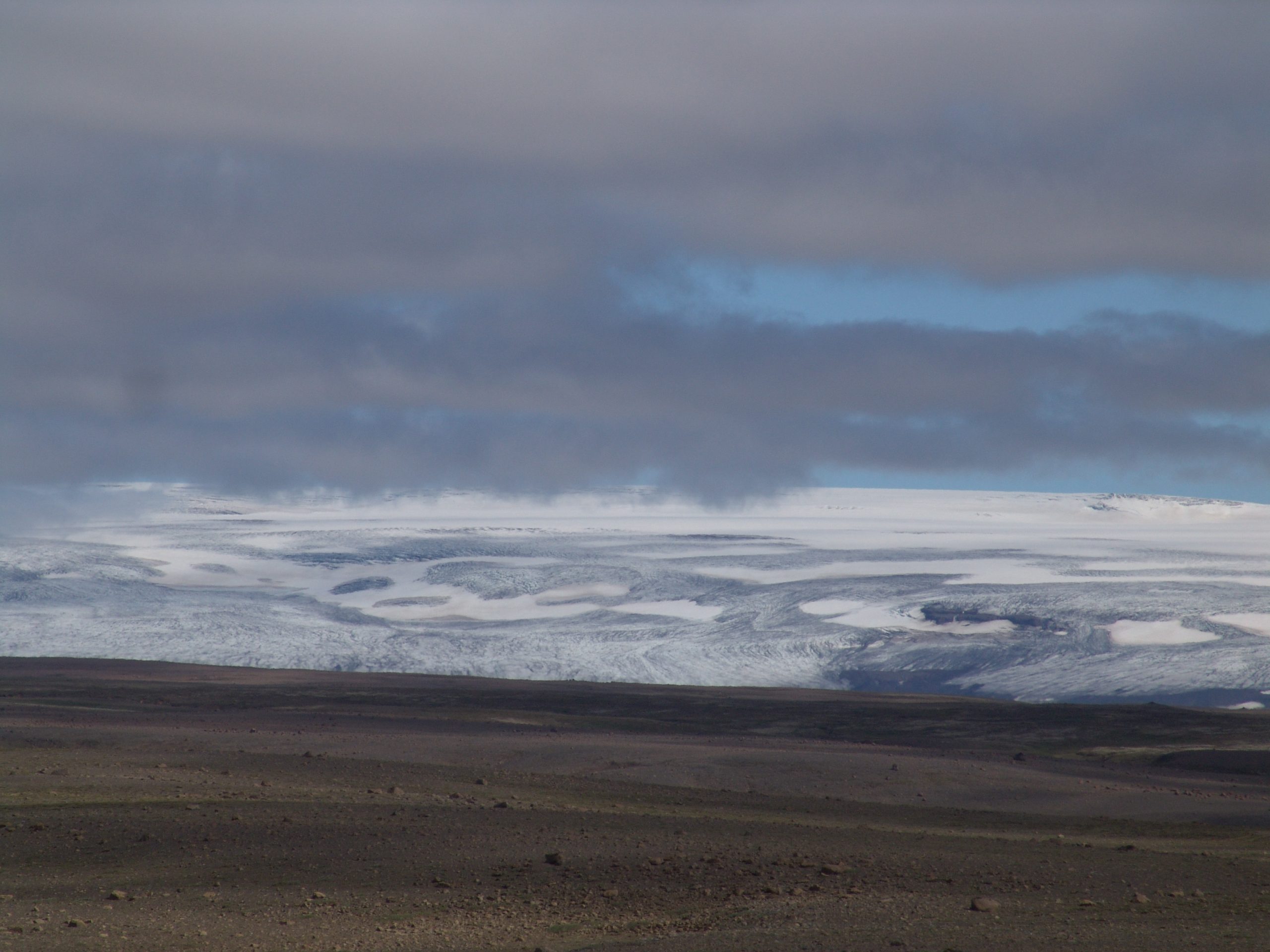
The trend skews toward two overlapping groups: outdoorsy travelers who want full days of hiking or sightseeing without retreating indoors during peak heat, and value-driven trip planners who factor climate risk into where and when they book. Families and older travelers show up disproportionately in the data too, since extreme heat carries real health risk for both groups, making a mild-summer destination less of a stylistic choice and more of a practical one.
The coolcation shift also overlaps with “hushpitality,” a related travel pattern built around quiet, nature-immersive stays that avoid crowded, high-intensity tourism. Together, the two trends point toward the same underlying preference: travelers increasingly want a trip that feels restorative rather than one that requires recovering from afterward.
Is This a Passing Trend or a Lasting Shift?
Given how closely coolcation demand tracks actual heat records rather than marketing, most industry analysts expect it to persist rather than fade. As global temperatures continue trending upward and summer heat waves become more frequent and severe, the logic behind trading a hot beach for a cool fjord only gets stronger. What started as a reaction to the heat waves of the past few years now looks like a durable rewrite of where — and when — people choose to spend their summer.
Conclusion
Coolcation travel reflects a genuine shift in how people are planning summer trips in 2026: away from guaranteed heat and toward comfortable, climate-resilient destinations. With searches for cooler climates up sharply and Nordic bookings surging, the destinations once considered off the beaten path for summer are becoming some of the season’s most in-demand. For travelers tired of packing sunscreen and an emergency fan, a coolcation may be the more comfortable way to spend August.
For more on how travel patterns are shifting this year, see our roundup of 2026 travel trends and our guide to slow train travel in Europe. For destination planning, Visit Iceland and the Global Sustainable Tourism Council have useful background on the trend.
Related Articles

Set-Jetting: How Film and TV Locations Are Driving 2026 Travel
Set-jetting is sending travelers straight to the real-world locations behind their favorite shows and…

Sleep Tourism: Inside 2026’s Hotel Rest Retreat Boom
Sleep tourism is turning hotel rooms into rest-engineered spaces, with sleep menus, blackout design,…
Digital Nomad Hotels: Inside the Co-Living Stay Boom
Digital nomad hotels are building coworking floors, flexible stays, and built-in community into their…