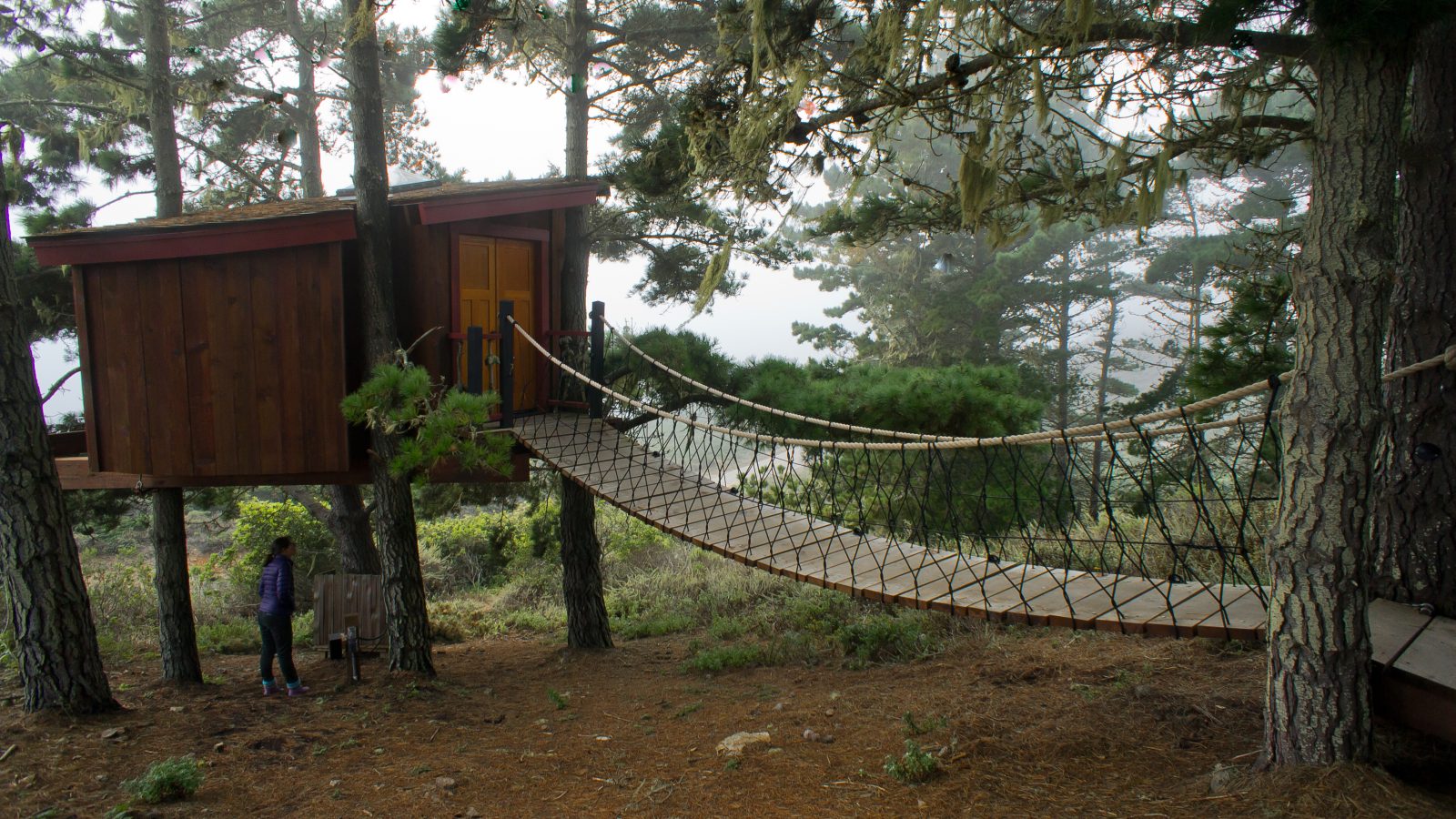
Treehouse Hotels: Where to Book a Stay in the Canopy

Treehouse hotels have moved well past summer-camp nostalgia. What started as a niche for adventurous families has grown into a serious hospitality category, with design-forward properties charging luxury rates for a night spent thirty feet up in the canopy. Here’s why the trend is spreading and how to choose a stay that delivers on the fantasy.
Why Treehouse Hotels Are Having a Moment
Post-pandemic travel habits pushed demand toward outdoor, low-density accommodation, and treehouse hotels sit squarely in that sweet spot. They offer privacy, direct nature access, and a built-in sense of novelty that photographs well and books quickly.
A Response to Overtourism
Many treehouse properties sit outside crowded city centers, spreading tourism revenue into rural and forested regions that traditional hotel chains rarely reach. That dispersal effect has caught the attention of destination marketing organizations looking to ease pressure on overcrowded hotspots.
Design Has Caught Up to the Concept
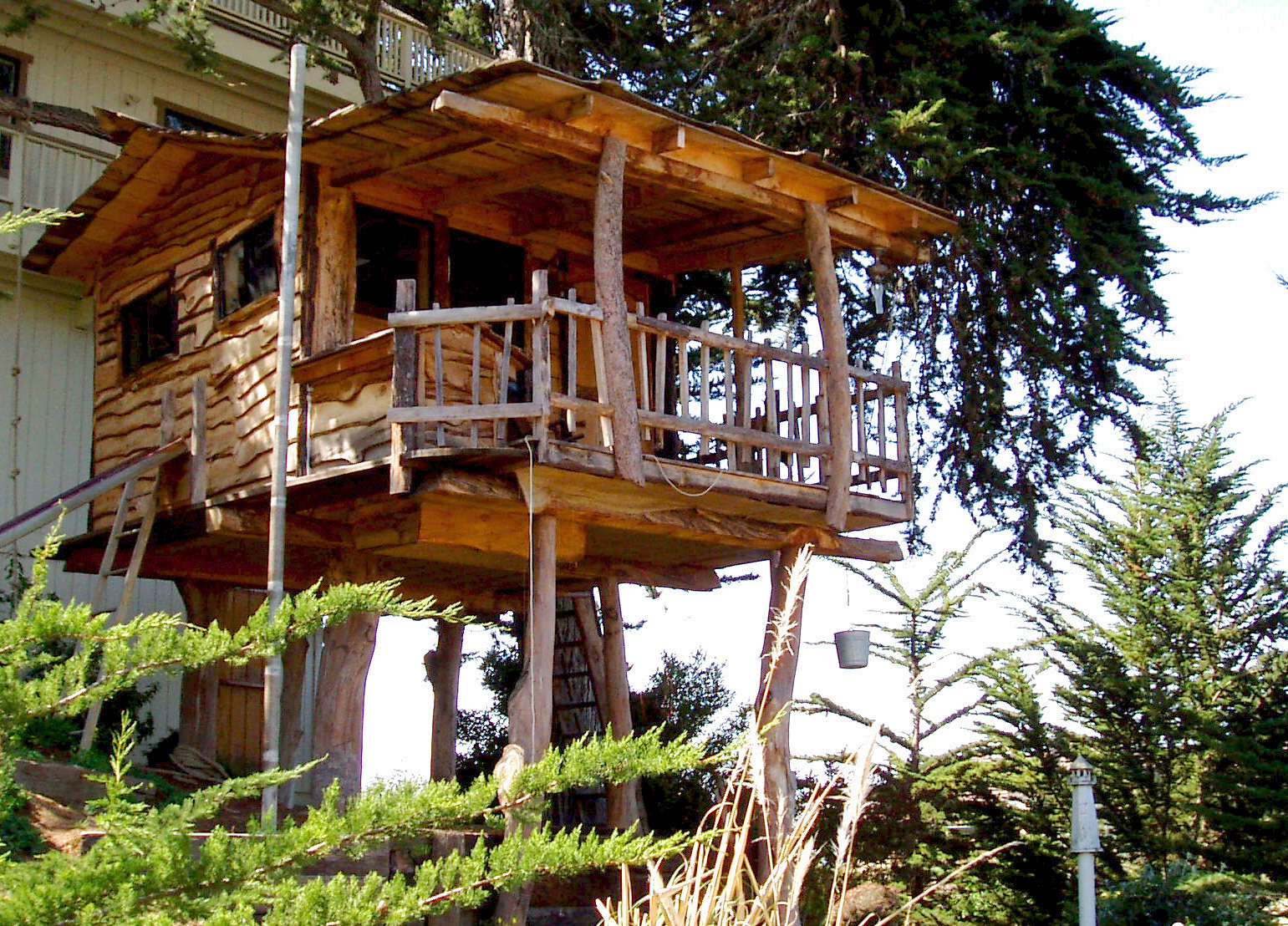
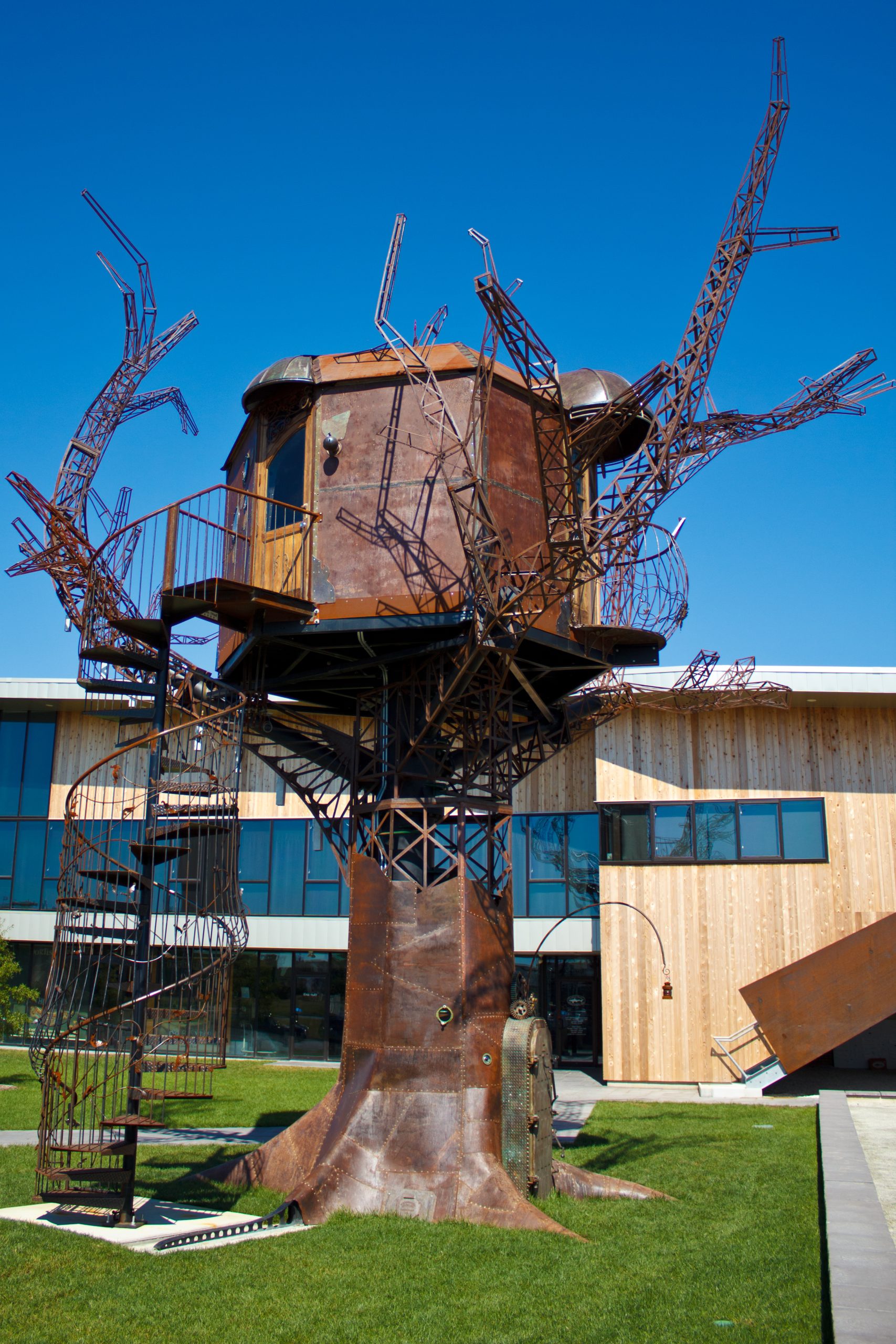
Early treehouse stays were rustic by necessity. The newer generation includes underfloor heating, en-suite bathrooms, floor-to-ceiling glass, and the kind of architectural detail featured in shelter and design publications rather than camping guides.
Travel + Leisure has reported that treehouse and other elevated nature stays now represent one of the fastest-growing segments within the broader glamping and eco-lodge market.
What to Expect From a Stay
Treehouse hotels vary widely in comfort level, so it helps to know what you’re booking before you arrive.
- Access: Many rely on stairs, rope bridges, or narrow walkways rather than elevators — worth checking if mobility is a concern.
- Climate control: Higher-end properties include heating and cooling; rustic ones may only offer a fireplace or fan.
- Bathrooms: Some treehouses share a ground-level bathhouse; others include a full en-suite built into the structure.
- Noise: Wind, birds, and creaking wood are part of the experience, not a flaw — pack accordingly if you’re a light sleeper.
Where the Category Is Strongest
North America
California’s Central Coast and the Pacific Northwest have become hubs for elevated cabin stays, often paired with hot tubs, private decks, and coastal or redwood forest views.
Northern Europe
Sweden popularized the modern design-forward treehouse hotel more than a decade ago, and the concept has since spread through Scandinavia and into the UK and Alpine regions.
Southeast Asia
Jungle lodges in Thailand, Laos, and parts of Indonesia have adopted treehouse-style architecture for eco-resorts, often paired with canopy walkways and wildlife-viewing platforms.
Booking Tips
- Book at least two to three months ahead for well-known properties — inventory per site is often just a handful of units.
- Confirm weight and occupancy limits, since treehouse structures have engineering constraints standard hotel rooms don’t.
- Ask directly about weatherproofing if traveling in rainy or storm-prone seasons.
- Check cancellation policies closely; remote properties often enforce stricter terms than city hotels.
For a broader look at how boutique and nature-based lodging is reshaping traveler expectations, Skift covers ongoing shifts in the hospitality industry.
Practical Takeaway
Treat a stay at treehouse hotels as an experience booking, not just a place to sleep. Build your trip itinerary around the property rather than treating it as a base for day trips, since much of the appeal comes from slowing down and simply being in the setting. Pack layers, a headlamp for after-dark walkways, and realistic expectations about connectivity — many of the best properties are intentionally off the grid.
If elevated, nature-forward stays appeal to you, pair this trip with a coastal counterpart like our Amalfi Coast travel guide. Coming home rested matters too — see how sleep tourism is reshaping hotel design, and if your travels take you to Asia, don’t miss this guide to where to eat in Seoul.
Pricing: What You’re Actually Paying For
Rates at treehouse hotels rarely track with square footage the way standard hotel pricing does. A compact, rustic unit with a shared bathhouse might run under $150 a night, while a design-forward property with a private hot tub and floor-to-ceiling glass can easily clear $600. The gap comes down to build complexity, exclusivity, and how much engineering went into making the structure feel effortless.
What Drives the Premium
- Custom architecture built around living trees, which requires specialized engineering not needed for ground-level construction.
- Limited inventory — most properties have only a handful of units, keeping demand consistently ahead of supply.
- Added amenities like private soaking tubs, in-room fireplaces, or dedicated forest-bathing programming.
Sustainability Considerations
Not every treehouse hotel lives up to its eco-friendly branding. Some properties use minimally invasive construction that protects root systems and tree health, while others rely on freestanding stilted platforms that only resemble a treehouse rather than integrating with a living tree at all. Travelers who care about the distinction should ask directly how the structure is supported and whether the property works with an arborist on ongoing tree health monitoring.
Conclusion
Treehouse hotels succeed because they deliver something a standard room can’t: genuine immersion in a landscape, without giving up comfort entirely. As more architects and hotel groups invest in the category, expect the gap between “novelty” and “luxury” to keep closing — and expect the best properties to keep selling out months in advance.
Related Articles
Lighthouse Hotels: Where to Sleep at the Edge of the Sea
Lighthouse hotels turn decommissioned beacons and keeper's cottages into some of the coast's most…
Vineyard Hotels: Where to Stay Among the Vines
Vineyard hotels turn working wine estates into overnight stays, from Tuscany's Brunello country to…
Riad Hotels in Marrakech: Where to Stay in the Medina
Riad hotels in Marrakech turn centuries-old courtyard houses into some of the medina's most…