Greece
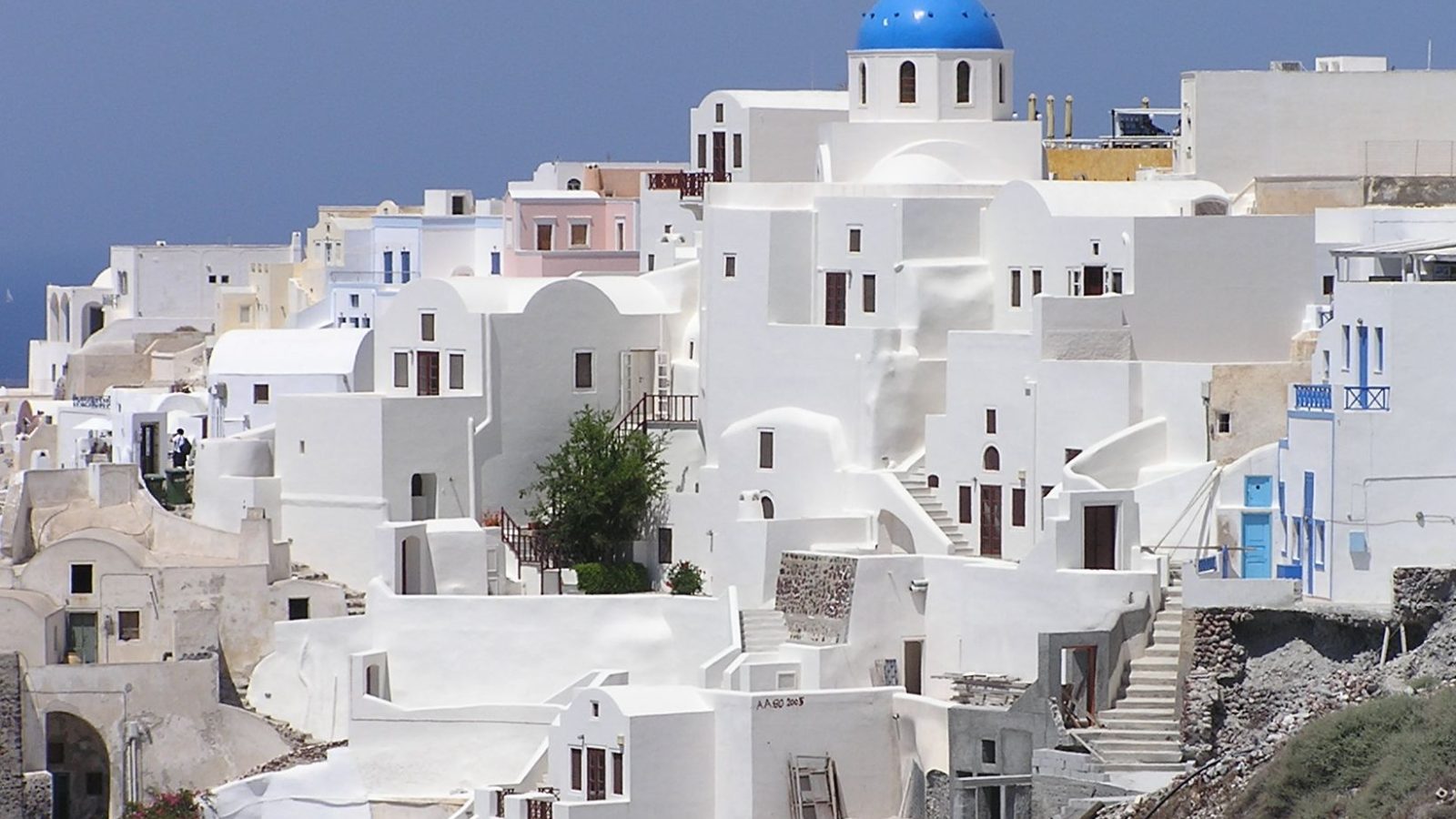
Greece scatters ancient ruins across sun-bleached islands and a mainland thick with mythology, where whitewashed villages tumble down cliffs into an impossibly blue Aegean Sea. Travelers can wander the Acropolis in the morning and be island-hopping by ferry before sunset.
Where to Stay
Plaka Heritage Hotel
$$$
Cycladic Cliffside Suites
$$$
Athens Backpacker Lodge
$
Getting Around
Ferry
Local Transit
Flight
Car
Local Foods to Try
Moussaka
Souvlaki
Greek Salad
Travel Tips
Book island ferries early
Wear sturdy shoes
Carry cash for small islands
Weather & Climate
Greece has a classic Mediterranean climate with long, dry summers and mild, wetter winters, though mountainous inland areas can turn cold.
Spring
20°C / 11°C
Mild and green, before the summer crowds arrive.
Summer
31°C / 22°C
Hot and dry, peak season for island travel.
Autumn
23°C / 14°C
Warm seas linger with fewer crowds.
Winter
13°C / 6°C
Mild on islands, colder and occasionally snowy inland.
Best Time to Visit
May to June and September. These months bring warm, swimmable seas and pleasant temperatures without the peak-summer crowds and prices.
Frequently Asked Questions
Requirements vary by nationality, so check current Schengen entry rules before booking.
Yes, a well-developed ferry network connects most inhabited islands, though schedules thin out in winter.
Athens and popular islands like Santorini can be pricey in summer, while lesser-known islands offer better value.