Digital Nomad Hotels: Inside the Co-Living Stay Boom

Digital nomad hotels are quietly rewriting what a hotel is supposed to offer. A decade ago, working from a hotel meant balancing a laptop on a wobbly desk beside the window, hoping the Wi-Fi held up. Today, a growing number of properties are building their entire concept around remote workers: dedicated coworking floors, community events, and stays that run for weeks or months instead of a couple of nights.
This piece looks at what’s driving the rise of digital nomad hotels, where the concept is taking hold fastest, and what separates a genuinely useful remote-work stay from a hotel that’s simply added a printed Wi-Fi password to the welcome folder.
What Makes a Hotel Nomad-Friendly
Fast Wi-Fi is now table stakes, not a selling point. What actually distinguishes digital nomad hotels from a standard business hotel is a set of features built specifically around long stays and daytime work, rather than a single overnight visit.
Dedicated Work Spaces
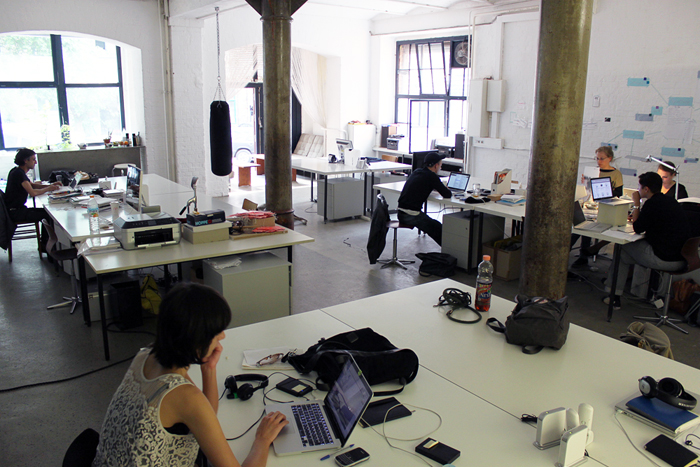
Instead of a single business center tucked near the lobby, many digital nomad hotels now include full coworking floors with ergonomic chairs, standing desks, and bookable meeting rooms. Some properties partner directly with coworking brands rather than building their own, letting guests badge into a shared space down the street.
Flexible, Longer Stays
Weekly and monthly rates have become standard at properties chasing this market, often with in-room kitchenettes or shared kitchens that make a month-long stay feel less like a hotel and more like a short-term apartment.
Built-In Community
Loneliness is one of the most common complaints among long-term remote workers, and digital nomad hotels have leaned into solving it with organized dinners, skill-share sessions, and co-living floors designed to encourage guests to actually meet each other.
Where the Trend Is Strongest
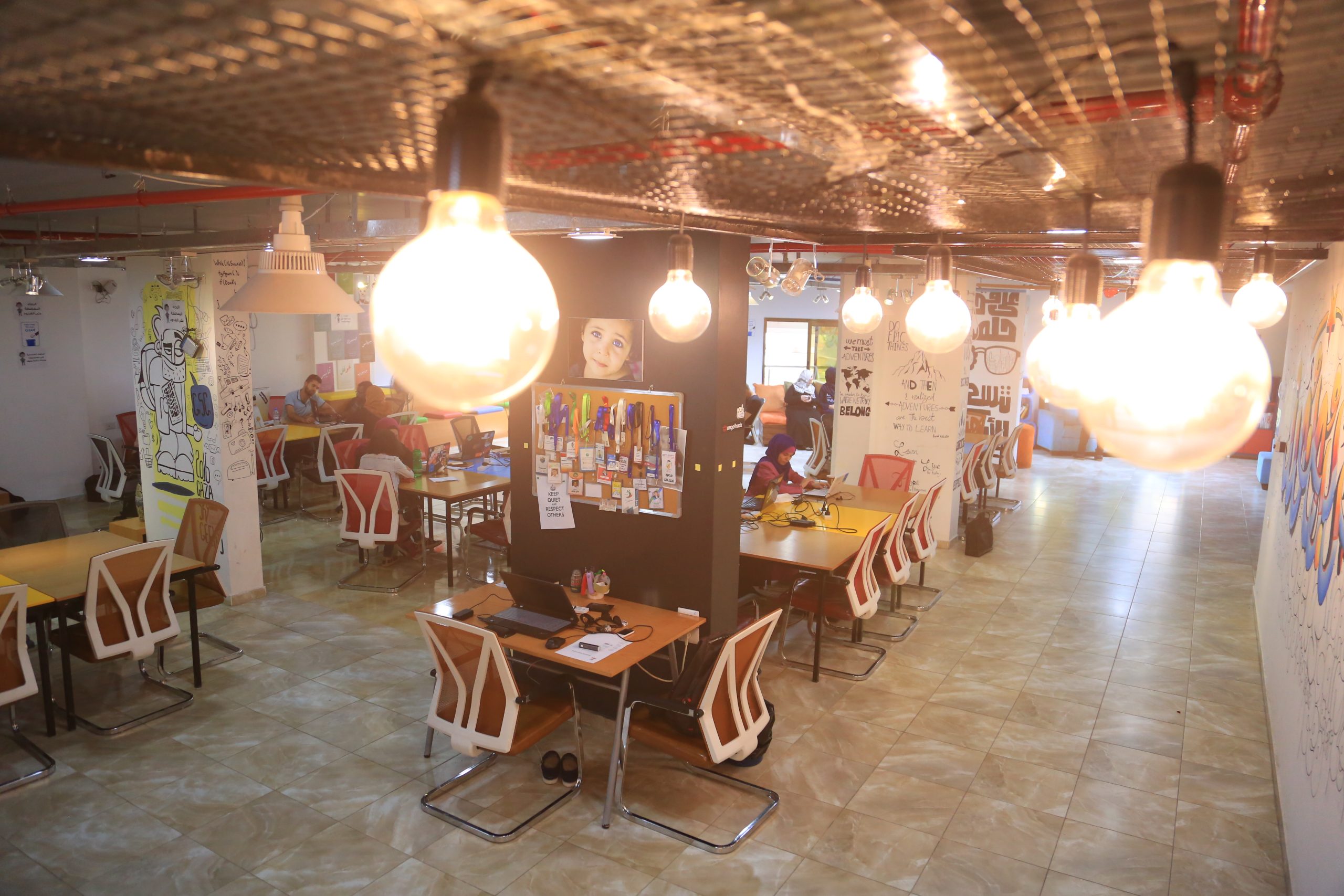
Southeast Asia remains the epicenter of the co-living and coworking hotel movement, with cities like Bangkok, Chiang Mai, and Hanoi offering a combination of low costs, strong internet infrastructure, and an already-established remote work community. Chiang Mai in particular built its reputation on this model years before “digital nomad” became a mainstream term, and that early head start still shows in the depth and maturity of its coworking scene today.
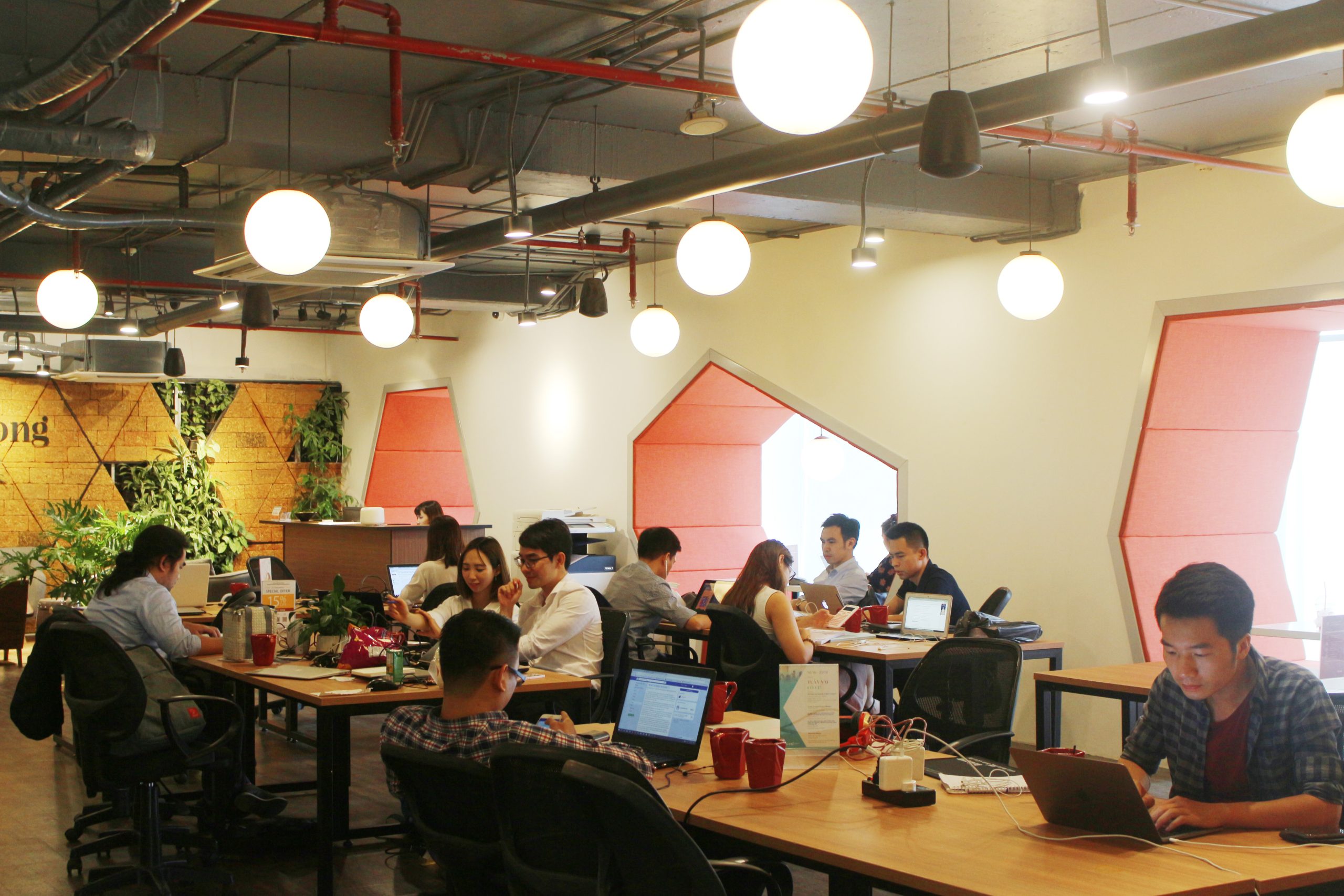
Hanoi in particular has seen a wave of new coworking-hotel hybrids open in recent years, catering to a mix of long-term expats and shorter-stay nomads passing through Vietnam on regional visa runs.
Europe has followed a slightly different model, with cities like Lisbon, Berlin, and Budapest attracting digital nomad hotels aimed at a more design-conscious, higher-spending traveler, often bundled with visa programs specifically created for remote workers.
Why Hotel Brands Are Betting on This
For hotel operators, digital nomad hotels solve a real business problem: filling rooms during traditionally slow weekday periods. A guest staying four weeks generates steadier, more predictable revenue than a rotating cast of two-night bookings, and remote workers tend to spend more on food, drinks, and amenities during a longer stay.
Skift has reported that extended-stay and remote-work travel has become one of the fastest-growing segments in hospitality, pushing major chains to pilot dedicated nomad-friendly floors and pricing tiers rather than treating it as a niche.
How Pricing Compares to a Standard Hotel Stay
Nightly rates at digital nomad hotels can look higher than a budget hotel at first glance, but the comparison usually shifts once you factor in what’s included. A monthly rate that bundles a private room, unlimited coworking access, laundry, and weekly community dinners often works out cheaper than renting a short-term apartment and paying separately for a coworking membership.
That said, pricing structures vary widely by region. In Southeast Asia, digital nomad hotels tend to compete heavily on cost, with monthly rates sometimes matching what a single week costs in Lisbon or Berlin. European properties generally justify higher prices with design, faster public transit access, and eligibility for formal remote-work visa schemes.
How the Concept Has Evolved Since the Pandemic
Early co-living hotels leaned heavily on the novelty of remote work itself, often marketing bunk-style dorms and communal desks to a narrow audience of backpacker-style nomads. The category has matured considerably since then. Newer digital nomad hotels increasingly target a broader mix of guests: freelancers, small business owners, and employees with fully remote jobs who want privacy alongside community, not one instead of the other.
That shift shows up in the room types on offer. Private studios with proper desks have become far more common than shared dorms, and many properties now separate quiet work floors from social common areas entirely, so a video call in the morning doesn’t compete with a rooftop happy hour in the evening.
Questions to Ask Before Booking
Not every property marketing itself toward remote workers delivers on the promise. Before booking a stay at digital nomad hotels, it’s worth checking a few basics:
- Actual measured internet speed, not just an advertised “fast Wi-Fi” claim
- Whether desks and meeting rooms need to be booked in advance during busy periods
- Noise levels in work areas versus social or common spaces
- Cancellation and refund policies for multi-week or monthly bookings
- Whether the coworking space is on-site or a shared arrangement at a nearby location
Conclusion
Digital nomad hotels aren’t a passing gimmick; they reflect a real shift in how many people now combine work and travel. As remote work stays common well past its pandemic-era surge, expect more hotels, not fewer, to keep building coworking floors, community programming, and flexible-length stays into their core offering rather than treating them as an afterthought. When it’s time to log off for the day, our guide to the Golden Circle Iceland route makes a good case for logging off entirely for a while.
Related Articles

Set-Jetting: How Film and TV Locations Are Driving 2026 Travel
Set-jetting is sending travelers straight to the real-world locations behind their favorite shows and…

Coolcation Travel: Why 2026 Trips Chase Cooler Climates
Coolcation travel is reshaping summer 2026, as record heat pushes travelers toward Iceland, Norway,…
Sleep Tourism: Inside 2026’s Hotel Rest Retreat Boom
Sleep tourism is turning hotel rooms into rest-engineered spaces, with sleep menus, blackout design,…