Where to Eat in Seoul: A Korean Street Food Guide

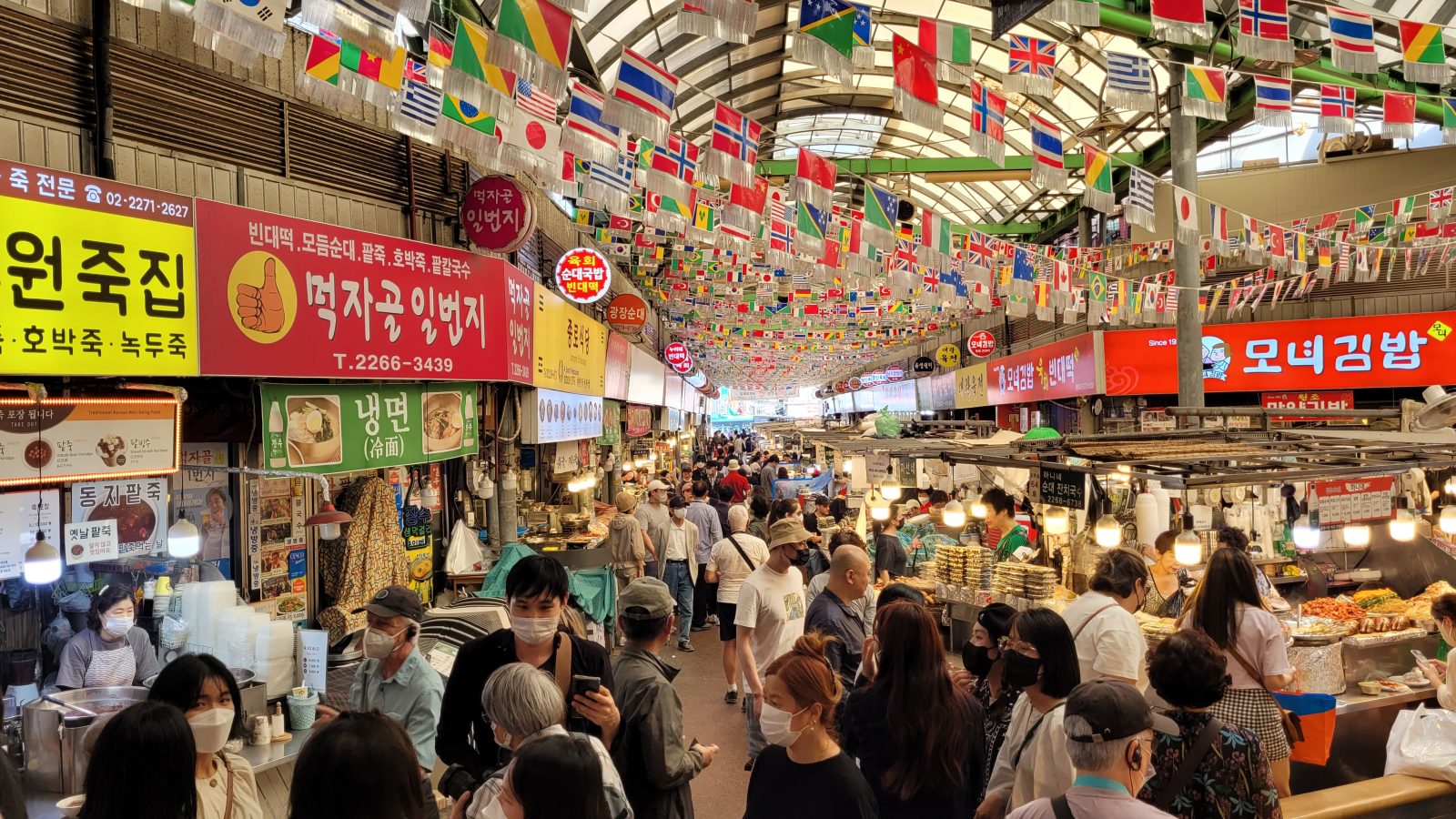
Knowing where to eat in Seoul means thinking beyond Korean barbecue. The city’s food culture spans century-old markets, late-night street stalls, and neighborhood restaurants that have served the same handful of dishes for generations. This guide moves district by district, covering the spots worth planning a meal around.
Where to Eat in Seoul: Start at the Markets
Seoul’s traditional markets are less about souvenirs and more about food, with entire sections dedicated to a single specialty.
Gwangjang Market
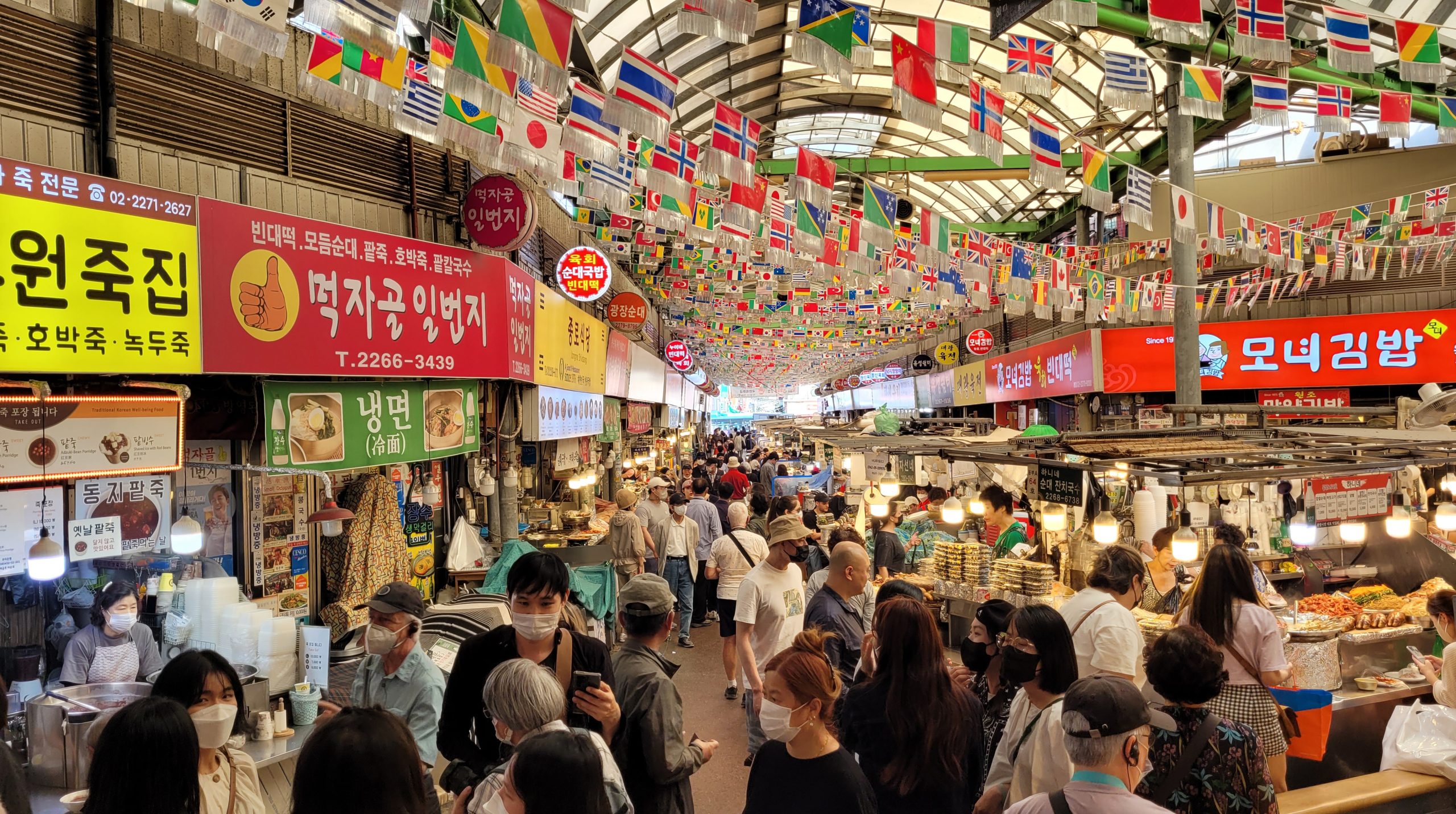
One of Korea’s oldest continually operating markets, Gwangjang is best known for mayak kimbap — small seaweed-wrapped rice rolls nicknamed “narcotic” for how addictive they are — alongside bindaetteok mung bean pancakes and bowls of makgeolli rice wine.
Gyeongdong Market
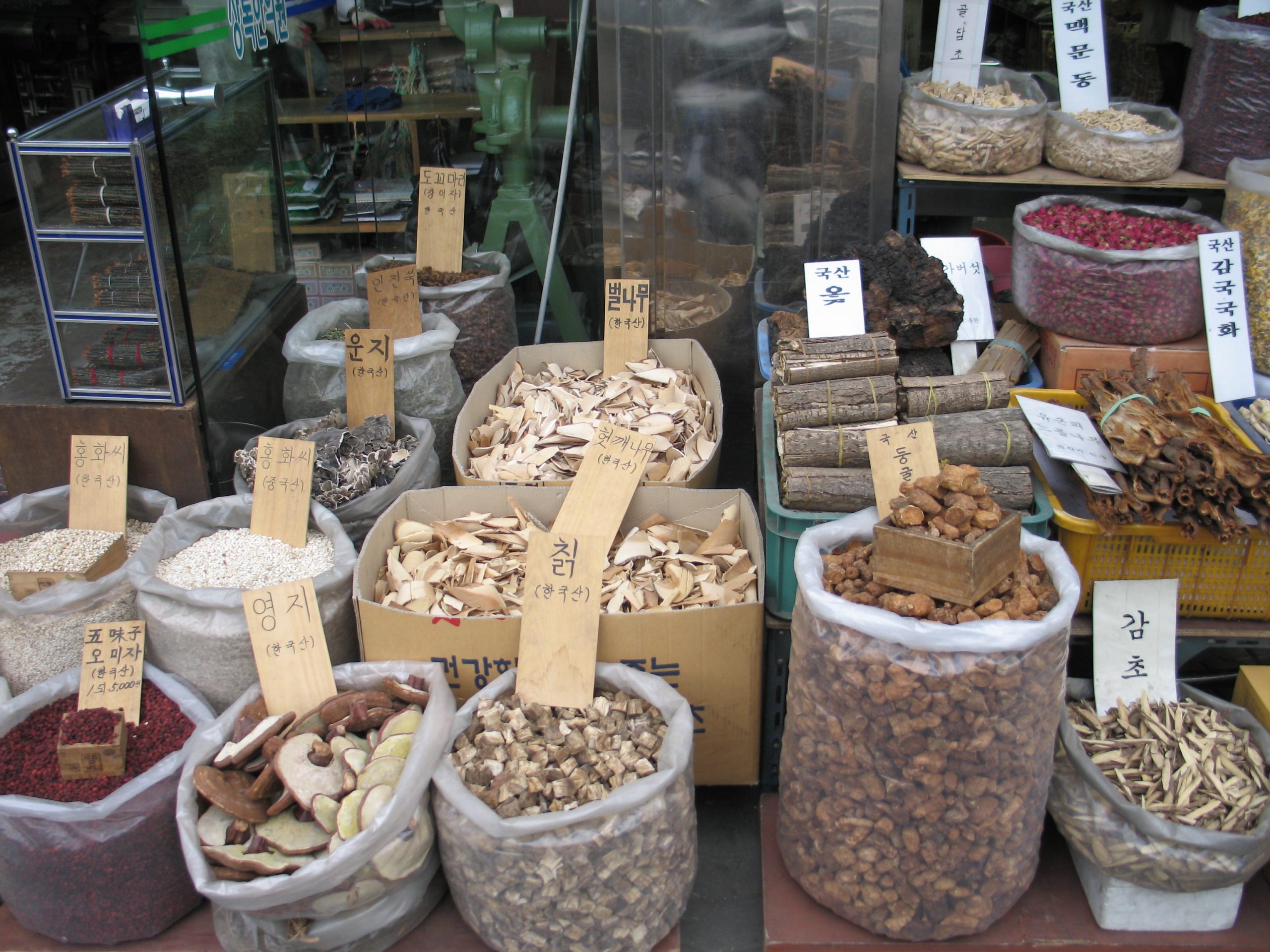
Less touristed than Gwangjang, Gyeongdong mixes traditional medicine stalls with produce vendors and simple food counters. It’s a good stop for travelers who want a market experience without the crowds.
Dongdaemun Market
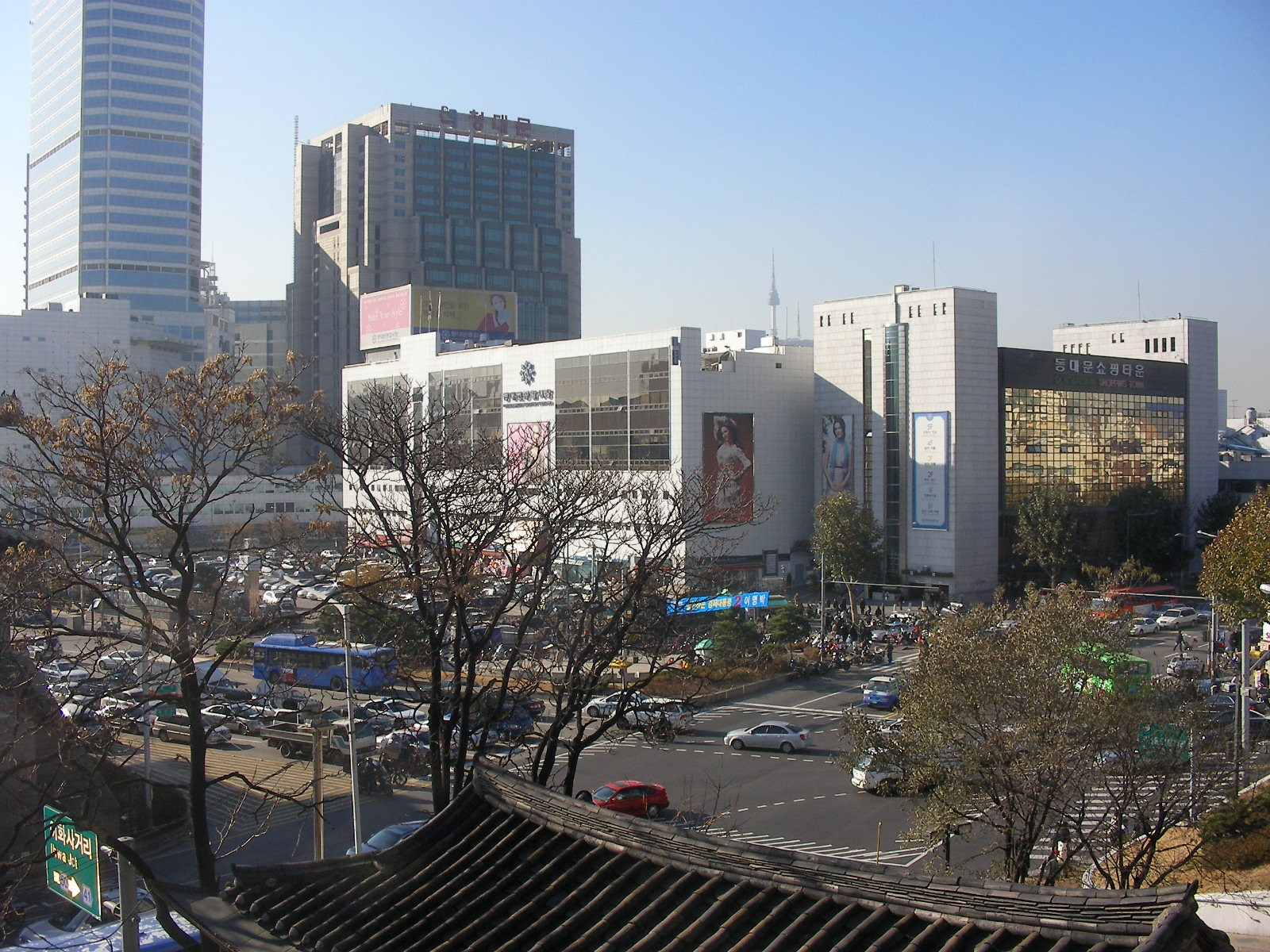
Dongdaemun runs late, with food stalls staying open well past midnight to serve shoppers and night owls. It’s one of the better spots for a post-dinner second round of street food.
South Korea’s tourism board has promoted its night markets, including the Bamdokkaebi Night Market along the Han River, as a way for visitors to sample the country’s street food culture in one concentrated setting.
Neighborhood by Neighborhood
Myeong-dong
Best known for shopping, Myeong-dong’s side streets are lined with skewers, deep-fried mandu, and grilled scallops sold from carts. It’s touristy, but the density of options makes it worth a walk-through even for locals.
Insadong
Insadong leans traditional, with teahouses and restaurants serving hanjeongsik — multi-course Korean set meals — alongside modern cafés tucked into converted hanok buildings.
Along the Han River
Seasonal night markets set up here in warmer months, drawing food trucks that serve everything from fusion rice balls to Vietnamese-style fried dumplings.
Dishes to Prioritize
- Tteokbokki: Spicy stir-fried rice cakes, sold everywhere from street carts to sit-down restaurants.
- Sundae: Korean blood sausage, often served with a side of liver and lung for dipping.
- Hotteok: A sweet, syrup-filled pancake best eaten hot off the griddle in colder months.
- Dakkochi: Skewered, grilled chicken brushed with a sweet-savory glaze.
- Bungeo-ppang: A fish-shaped pastry filled with sweet red bean paste, a classic winter street snack.
Practical Tips for Eating in Seoul
- Cash still moves faster than cards at most street stalls, though card acceptance has grown.
- Markets tend to close between 6 p.m. and 11 p.m. — check specific stall hours before making a special trip.
- Pojangmacha (tented street stalls) cluster near nightlife districts and stay open latest.
- Portion sizes at street stalls are small by design — plan to sample several rather than filling up at one.
For deeper neighborhood-level recommendations, Condé Nast Traveler maintains ongoing coverage of Seoul’s evolving food scene.
Practical Takeaway
The best answer to where to eat in Seoul usually isn’t a single restaurant — it’s a market crawl. Pick one or two markets per day, share dishes in small portions, and leave room to follow your nose down a side street. Some of the best finds in this city come from stalls with no signage in English at all.
Pair a Seoul food crawl with a longer Asia or Europe itinerary — our Amalfi Coast travel guide covers another destination worth building a trip around. For a different kind of lodging experience, see why treehouse hotels are booking out months in advance, and if jet lag is a concern after a long flight, this look at sleep tourism is worth a read.
Drinks to Pair With the Food
Korean drinking culture is built around pairing, and knowing what to order alongside street food changes the experience.
- Makgeolli: A milky, lightly sparkling rice wine that cuts through fried and savory dishes — the classic pairing for bindaetteok pancakes.
- Soju: Korea’s ubiquitous clear spirit, often shared over grilled meats or late-night anju snacks.
- Sikhye: A sweet rice punch served cold, a common non-alcoholic option after a spicy meal.
A Sample One-Day Food Itinerary
For travelers with just one day to eat their way through the city, a loosely structured route helps avoid decision fatigue.
- Morning: Start at Gwangjang Market for mayak kimbap and a bowl of noodles before the mid-morning crowds arrive.
- Afternoon: Walk through Insadong for tea and a light traditional lunch, then browse the surrounding galleries and craft shops.
- Evening: Head to Myeong-dong or Dongdaemun as the sun sets, grazing on skewers and fried snacks from the street carts.
- Late night: Finish at a pojangmacha near the nightlife district for soju and grilled anju before calling it a night.
Conclusion
Seoul’s food scene rewards curiosity over planning. Between its historic markets, late-night street stalls, and neighborhood specialties, there’s no way to eat badly here as long as you’re willing to wander. Start with the markets above, then let the smell of grilled skewers and sizzling pancakes guide the rest of the trip.
Related Articles
Where to Eat in Rome: Trattorias, Markets, and Roman Classics
A neighborhood guide to where to eat in Rome, from the Campo de' Fiori…
Where to Eat in Naples: Pizza, Markets, and Street Food
Where to eat in Naples, from the wallet pizza sold on Spaccanapoli to the…
Where to Eat in Marrakech: Souks, Stalls, and Tagine
Where to eat in Marrakech, from Jemaa el-Fna's after-dark food stalls to the spice…