Set-Jetting: How Film and TV Locations Are Driving 2026 Travel

Set-jetting, the practice of booking a trip specifically to visit a film or TV filming location, has grown from a niche fan pursuit into a measurable force in destination marketing. Tourism boards now track the effect explicitly, timing campaigns around premiere dates and building entire itineraries around a single production’s shooting locations. What used to be a side effect of a hit show has become a deliberate strategy that destinations plan for years in advance.
What’s Driving the Set-Jetting Boom
Streaming platforms release entire seasons at once, compressing what used to be a slow-building fan response into a sharp spike of interest immediately after a premiere. That immediacy shows up quickly in flight searches and hotel bookings, giving destinations a clear, trackable signal tied to a specific release date rather than a gradual trend.
Social media compounds the effect. A single recognizable shot, shared widely enough, can send search interest for a location climbing within days, well before traditional tourism marketing would normally have time to respond.
From Novelty to Strategy
Destinations that once treated a film shoot as a one-off publicity bump now build long-term plans around it. Guided tours retracing filming locations, themed menus at nearby restaurants, and dedicated signage at recognizable shooting spots have all become standard responses to a hit production, rather than something destinations scramble to assemble after the fact.
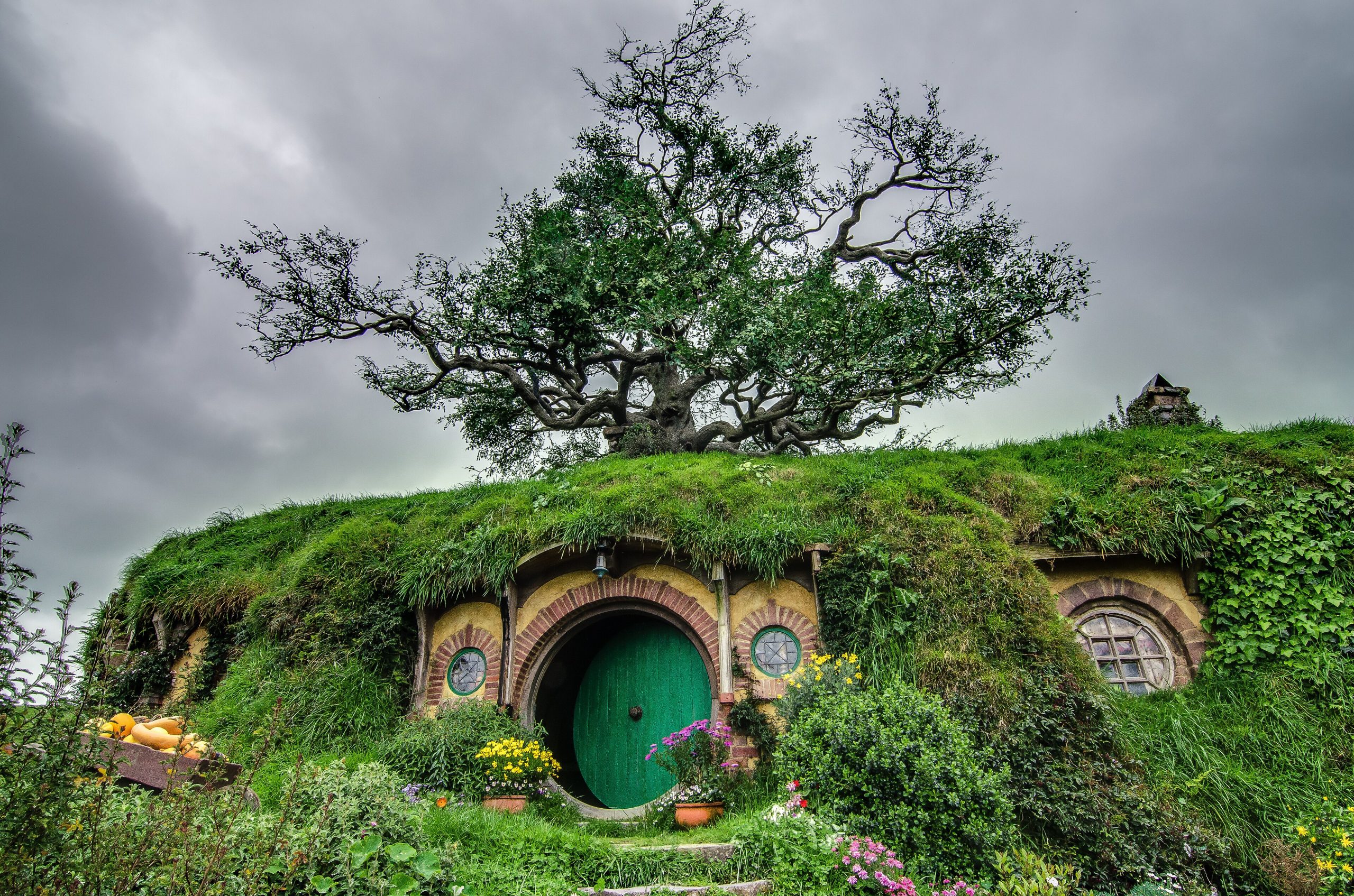
The Hobbiton Movie Set remains one of the longest-running and most successful set-jetting destinations.
Where Set-Jetting Is Reshaping Travel
New Zealand and Tolkien Tourism
Few examples illustrate the staying power of set-jetting better than New Zealand’s relationship with the Lord of the Rings and Hobbit trilogies. The Hobbiton Movie Set near Matamata, originally built as a temporary film location, was rebuilt as a permanent attraction and now draws hundreds of thousands of visitors a year, more than two decades after the first film’s release.
Croatia’s King’s Landing
Dubrovnik’s medieval Old City, used extensively as King’s Landing in Game of Thrones, saw such a sustained surge in visitors that the city eventually introduced measures to manage crowding on its famous walls. The show ended its run years ago, but themed walking tours retracing filming locations remain a fixture of the city’s tour offerings.
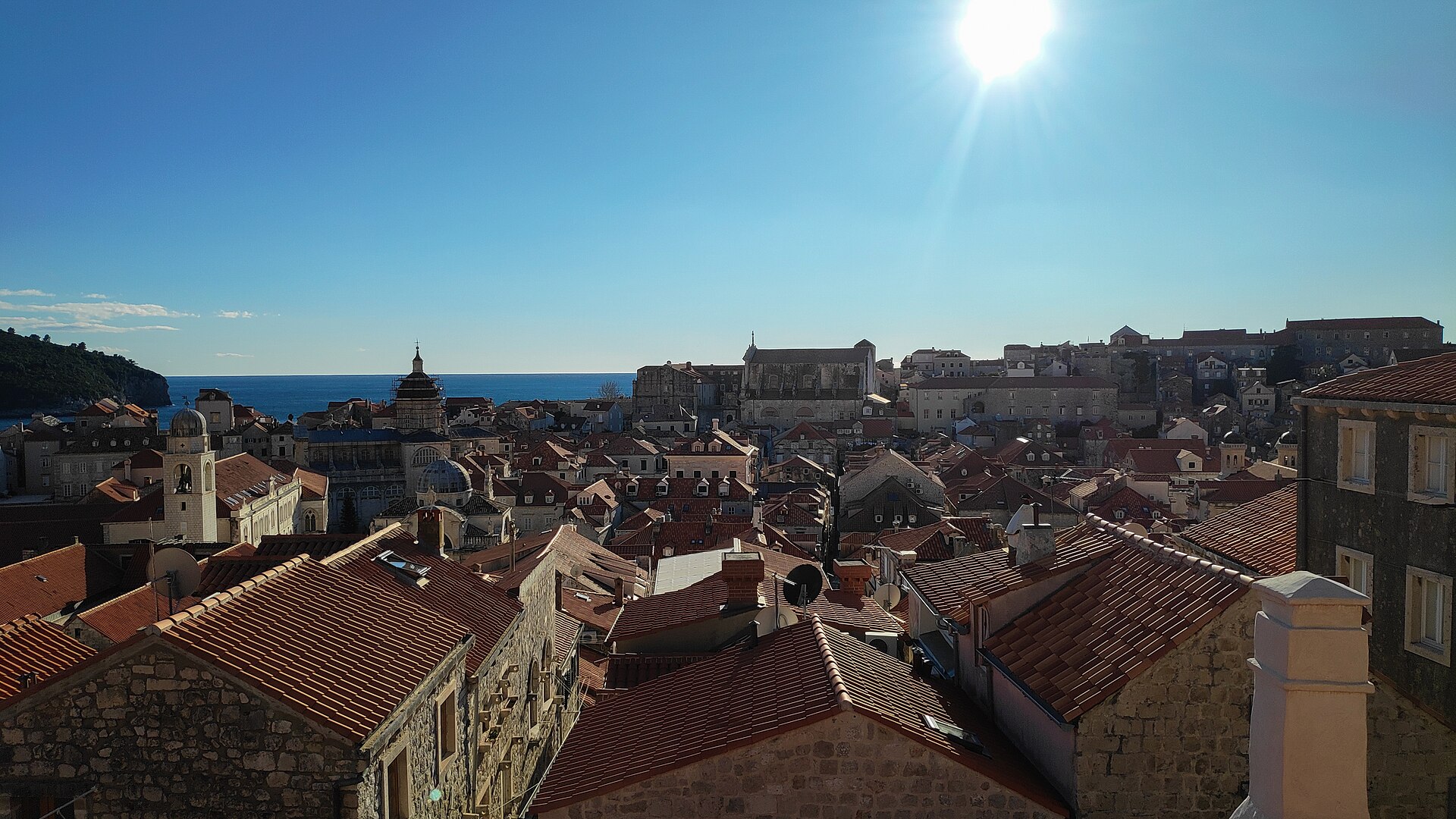
Dubrovnik’s Old City remains one of the most recognizable set-jetting destinations years after filming wrapped.
Beyond the Obvious Blockbusters
Set-jetting isn’t limited to major franchises. Smaller productions with a strong sense of place, whether a limited series shot in a specific coastal town or a film built around a distinctive regional setting, can produce outsized, if shorter-lived, spikes in visitor interest for destinations that otherwise see limited international attention.
South Korea and the Streaming Effect
South Korea offers one of the clearest recent examples of set-jetting tied directly to a streaming platform rather than a traditional film release. Hit Korean dramas and films have repeatedly sent international visitor numbers climbing for specific neighborhoods, schools, and cafés used as filming locations, often within weeks of a title’s global release. Seoul’s tourism board now routinely publishes location guides timed to major premieres, treating the surge as a predictable, recurring event rather than a one-off.
How Destinations Are Responding
- Official filming location maps: Many tourism boards now publish interactive maps pinpointing exact filming spots shortly after a production’s release.
- Licensed tour operators: Studios increasingly partner directly with local tour companies, both for quality control and to capture a share of the resulting tourism revenue.
- Crowd management: Popular locations like Dubrovnik have introduced visitor caps or timed entry at peak filming-related sites to manage the surge.
- Extended-stay marketing: Destinations are increasingly pitching set-jetting visitors on multi-day itineraries that extend well beyond the single filming location that drew them in the first place.
The Streaming Release Calendar as a Booking Signal
Because streaming platforms now announce premiere dates months in advance, savvy travel planners increasingly treat that calendar the way they’d treat a major sporting event or festival schedule, a known date that reliably moves demand. Some hotels near frequently used filming regions have started adjusting rates around announced premiere windows for anticipated franchise installments, effectively building a set-jetting season into their annual pricing strategy.
Practical Takeaway for Travelers
Set-jetting trips reward advance planning more than most travel styles, since the most famous locations tend to see sharp demand spikes immediately after a premiere. Booking accommodations and tours before a highly anticipated release date, rather than after, generally means better availability and lower prices. It’s also worth researching whether a filming location is a purpose-built set open to visitors, like Hobbiton, or a working city that simply doubled as a backdrop, like Dubrovnik, since the visitor experience differs significantly between the two.
A Note on Responsible Set-Jetting
The flip side of a destination’s set-jetting success is the strain it can put on small communities never built for sudden tourism spikes. Dubrovnik’s introduction of visitor caps on its city walls is a direct response to that pressure, and other locations popularized by a hit show have followed similar paths, from timed-entry systems to seasonal visitor limits. Travelers can help by booking guided tours through licensed local operators, visiting during shoulder seasons when possible, and treating a working town, rather than a purpose-built set, with the same respect owed to any residential community.
Conclusion
Set-jetting shows no sign of slowing down as streaming platforms continue to release ambitious, visually distinctive productions shot on location around the world. For destinations, it has become a legitimate, plannable driver of tourism rather than an unpredictable bonus. For travelers, it offers a straightforward way to turn a favorite show or film into a genuine itinerary, provided the trip is booked with the same intentionality that once-niche fans have always brought to the pursuit. The trend sits alongside other shifts in how people choose destinations, from coolcation travel to slow train travel, all pointing toward a more deliberate, research-driven style of trip planning. Grand European capitals remain a favorite backdrop for film and TV alike; our Vienna travel guide covers one of the continent’s most cinematic cities in its own right.
Skift and Travel + Leisure both track set-jetting’s measurable impact on destination bookings each time a major title premieres.
Related Articles
Coolcation Travel: Why 2026 Trips Chase Cooler Climates
Coolcation travel is reshaping summer 2026, as record heat pushes travelers toward Iceland, Norway,…
Sleep Tourism: Inside 2026’s Hotel Rest Retreat Boom
Sleep tourism is turning hotel rooms into rest-engineered spaces, with sleep menus, blackout design,…

Digital Nomad Hotels: Inside the Co-Living Stay Boom
Digital nomad hotels are building coworking floors, flexible stays, and built-in community into their…