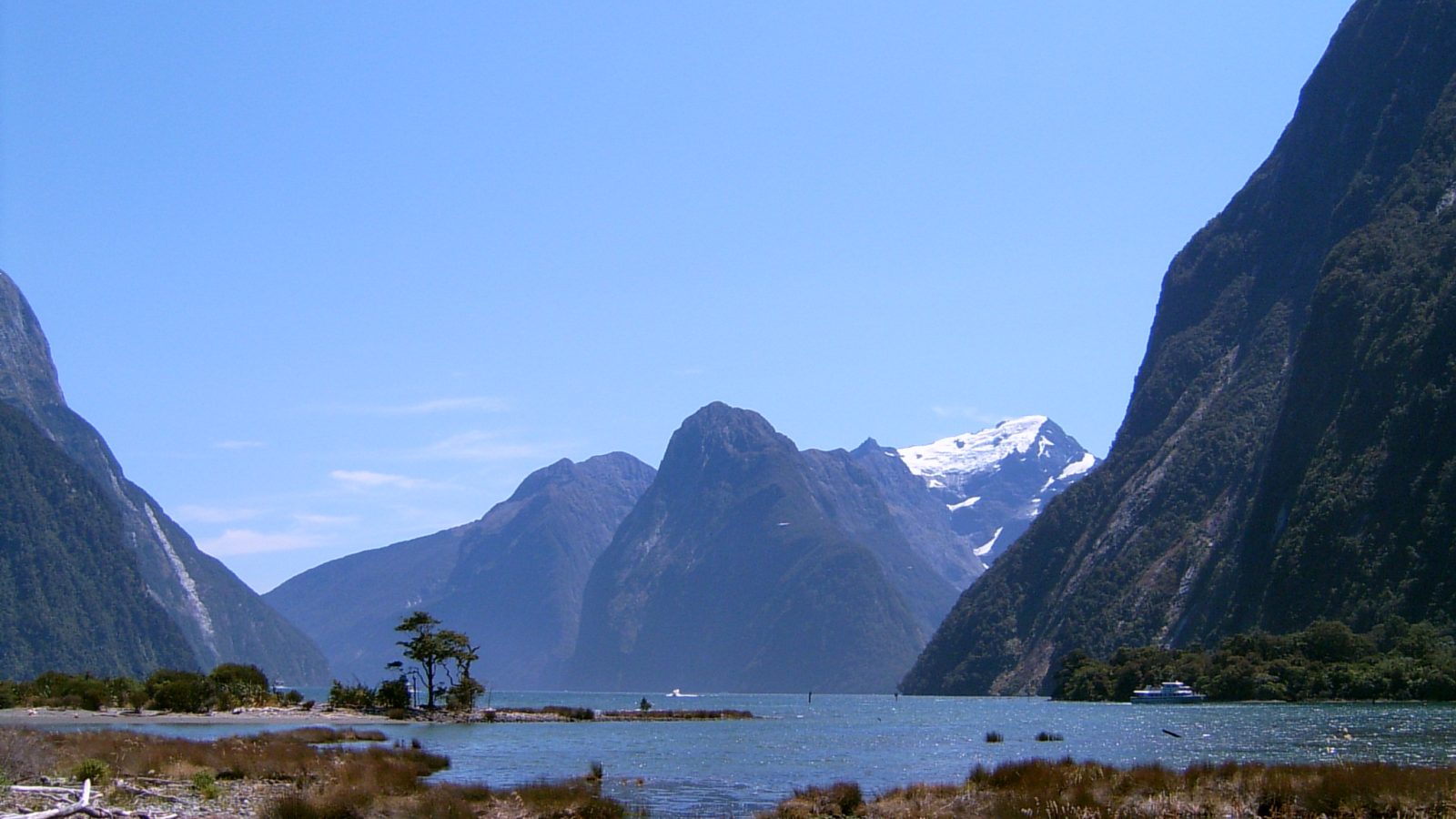
New Zealand
New Zealand packs fjords, glaciers, geothermal fields, and rolling green hills into two compact islands, making it a favorite for travelers who want dramatic scenery without endless driving. Maori culture runs deep throughout, from place names to traditional welcome ceremonies still practiced today.
Where to Stay
Queenstown Alpine Lodge
$$$
Auckland Harbour Hotel
$$
Fjordland Backpacker Hostel
$
Getting Around
Car
Flight
Ferry
Bus
Local Foods to Try
Hangi
Pavlova
Green-Lipped Mussels
Travel Tips
Book campervans early
Pack for four seasons in one day
Respect Maori customs
Weather & Climate
New Zealand has a temperate maritime climate with reversed seasons from the Northern Hemisphere, and weather that can shift quickly, especially in the mountains.
Summer
23°C / 13°C
December to February, warm and popular for hiking and beaches.
Autumn
18°C / 9°C
March to May, mild with beautiful foliage in wine regions.
Winter
12°C / 4°C
June to August, cold with snow in the Southern Alps, ski season.
Spring
17°C / 8°C
September to November, blooming and unpredictable rain.
Best Time to Visit
December to February for summer hiking and beaches, or June to August for skiing in the Southern Alps, depending on what you’re after.
Frequently Asked Questions
Many visitors need an NZeTA arranged online before travel, so check current requirements before booking.
Yes, it’s one of the most popular ways to see both islands, with campgrounds and freedom camping sites widely available.
They’re separated by Cook Strait, crossed by a roughly three-hour ferry ride or a short domestic flight.