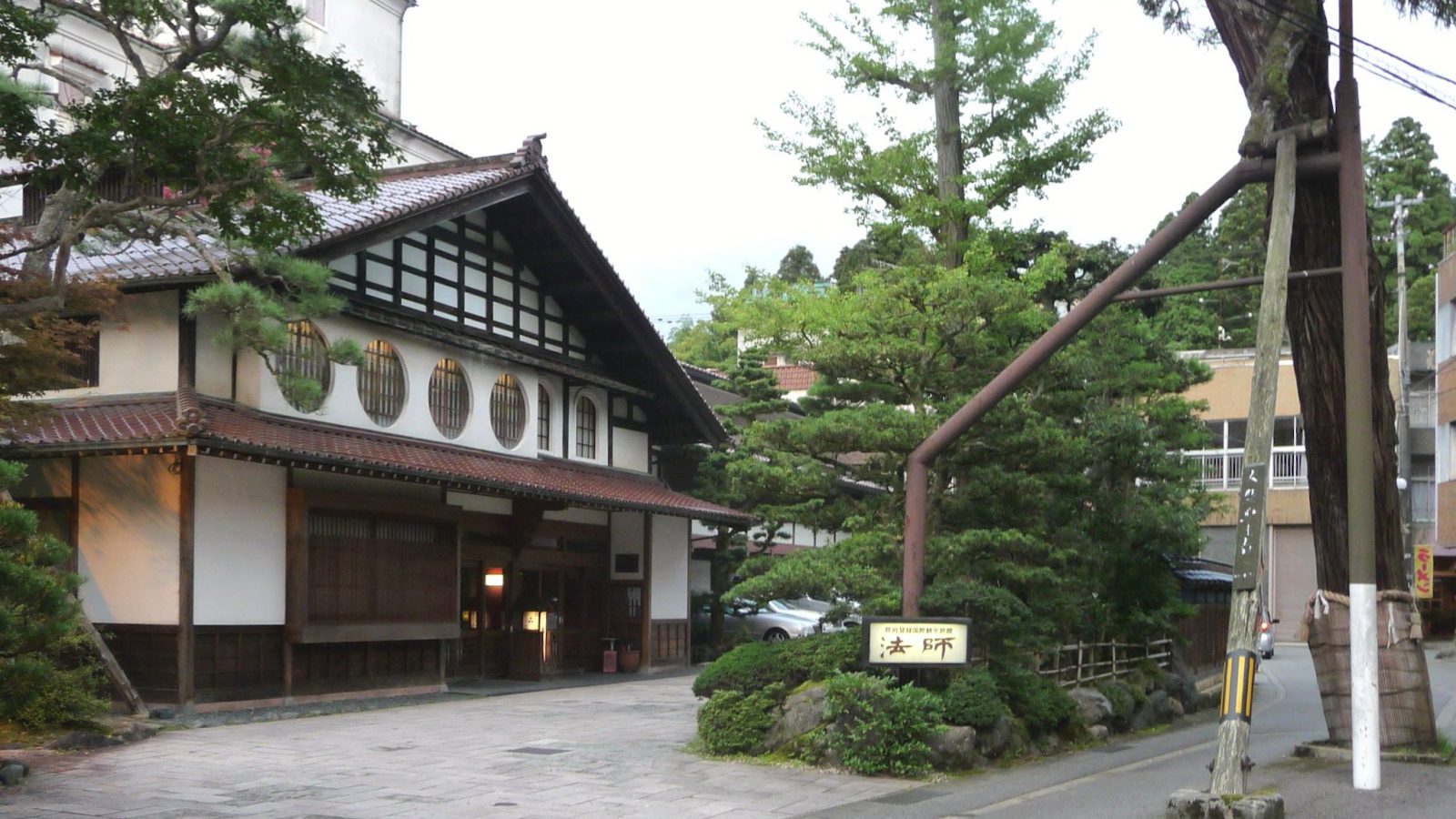
Ryokan Stays in Japan: What to Expect From an Inn

A night in a traditional inn is one of the most memorable ways to experience Japan, and it looks nothing like a standard hotel stay. Ryokan stays in Japan come with tatami-matted rooms, multi-course kaiseki dinners, and communal hot spring baths, all wrapped in centuries of hospitality tradition. This guide covers what a typical stay involves, how to choose the right property, and the etiquette that makes the experience go smoothly for first-time guests.
What Makes a Ryokan Different From a Hotel
A ryokan is a Japanese inn built around communal living and seasonal hospitality rather than private, self-contained rooms. Guests typically remove their shoes at the entrance, change into a cotton robe called a yukata, and spend the stay moving between their tatami room, a shared dining area, and an onsen bathing area. Meals are usually included and served as part of the experience rather than ordered separately, and staff often set up a futon bed on the floor each evening while guests are at dinner.
A Long History
Some ryokan have operated continuously for over a thousand years, passed down through the same family for dozens of generations. Hōshi Ryokan in Ishikawa Prefecture, founded in the year 718, is often cited as one of the oldest continuously run hospitality businesses in the world, a reminder that this style of hospitality predates the modern hotel by more than a millennium.
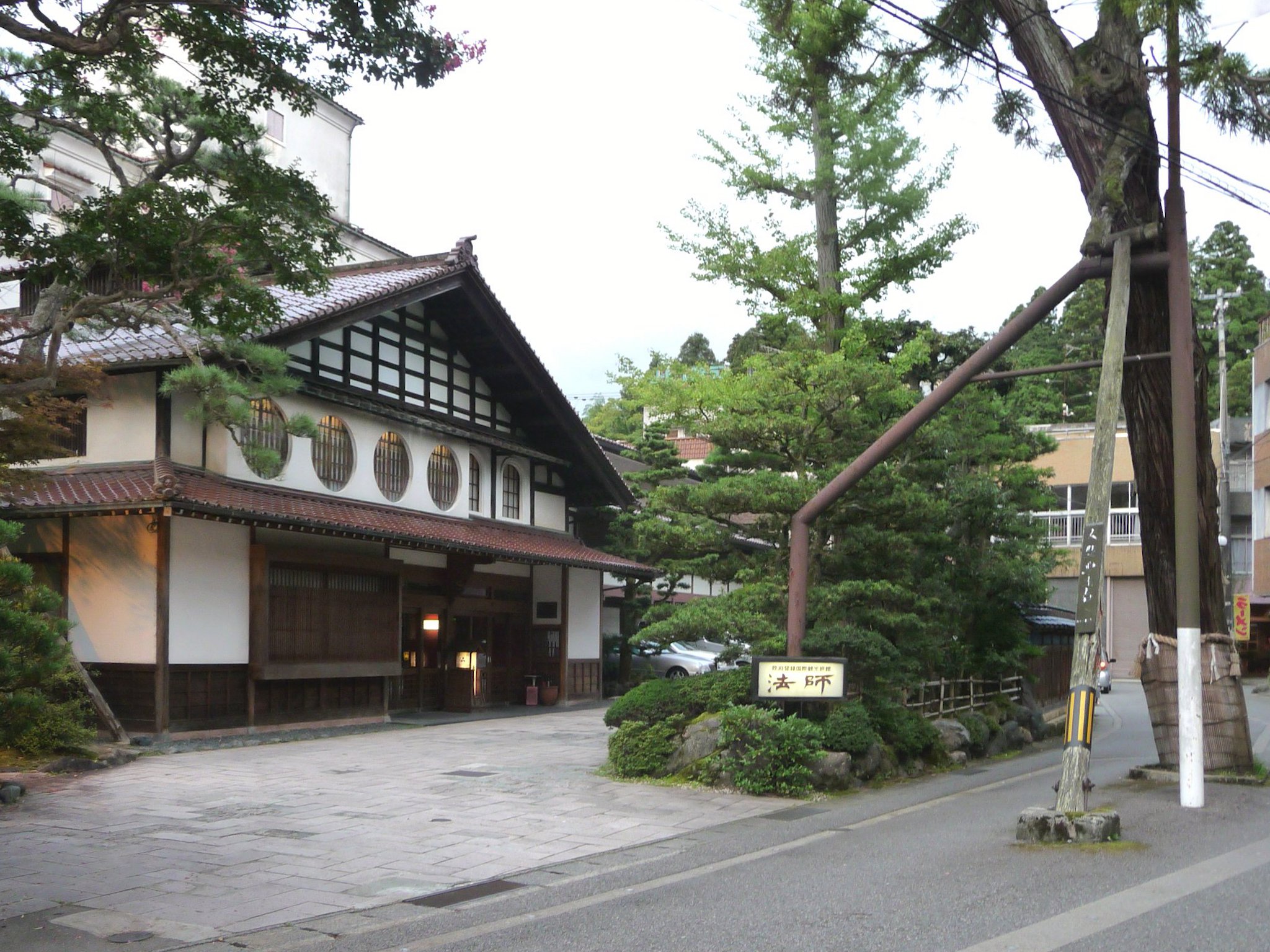
Hōshi Ryokan has welcomed guests in Ishikawa Prefecture for well over a thousand years.
Choosing the Right Ryokan
Not every ryokan looks the same, and picking the right style matters as much as picking the right destination.
Onsen Ryokan
Found in hot spring towns like Hakone, Kusatsu, and Kinosaki Onsen, these properties center the entire stay around bathing, with indoor and outdoor communal baths fed directly by natural hot springs. Some higher-end rooms include a private open-air bath, or rotenburo, attached to the room itself.
City Ryokan
Kyoto and a handful of other cities still operate ryokan within walking distance of major sights, offering the traditional experience without leaving an urban base. These tend to be smaller and book up well in advance during cherry blossom and autumn foliage seasons.
Luxury Ryokan
Resort groups such as Hoshino Resorts have modernized the format with private baths, refined kaiseki menus, and contemporary design, aimed at travelers who want the ritual of a ryokan stay with hotel-level comfort.
What a Typical Stay Looks Like
Check-in usually happens in the mid-afternoon, earlier than a typical hotel, giving guests time to settle in and bathe before dinner. Staff usually greet arriving guests with tea in the room and walk through the schedule for meals and bathing. Dinner, served either in the room or a communal dining hall, is typically a multi-course kaiseki meal built around seasonal, local ingredients, often paired with sake from a nearby region.
The Bathing Ritual
Bathing at a ryokan follows a specific sequence: guests wash and rinse thoroughly at a seated shower station before entering the communal bath, which is meant purely for soaking rather than washing. Baths are typically segregated by gender, and swimsuits are not worn.
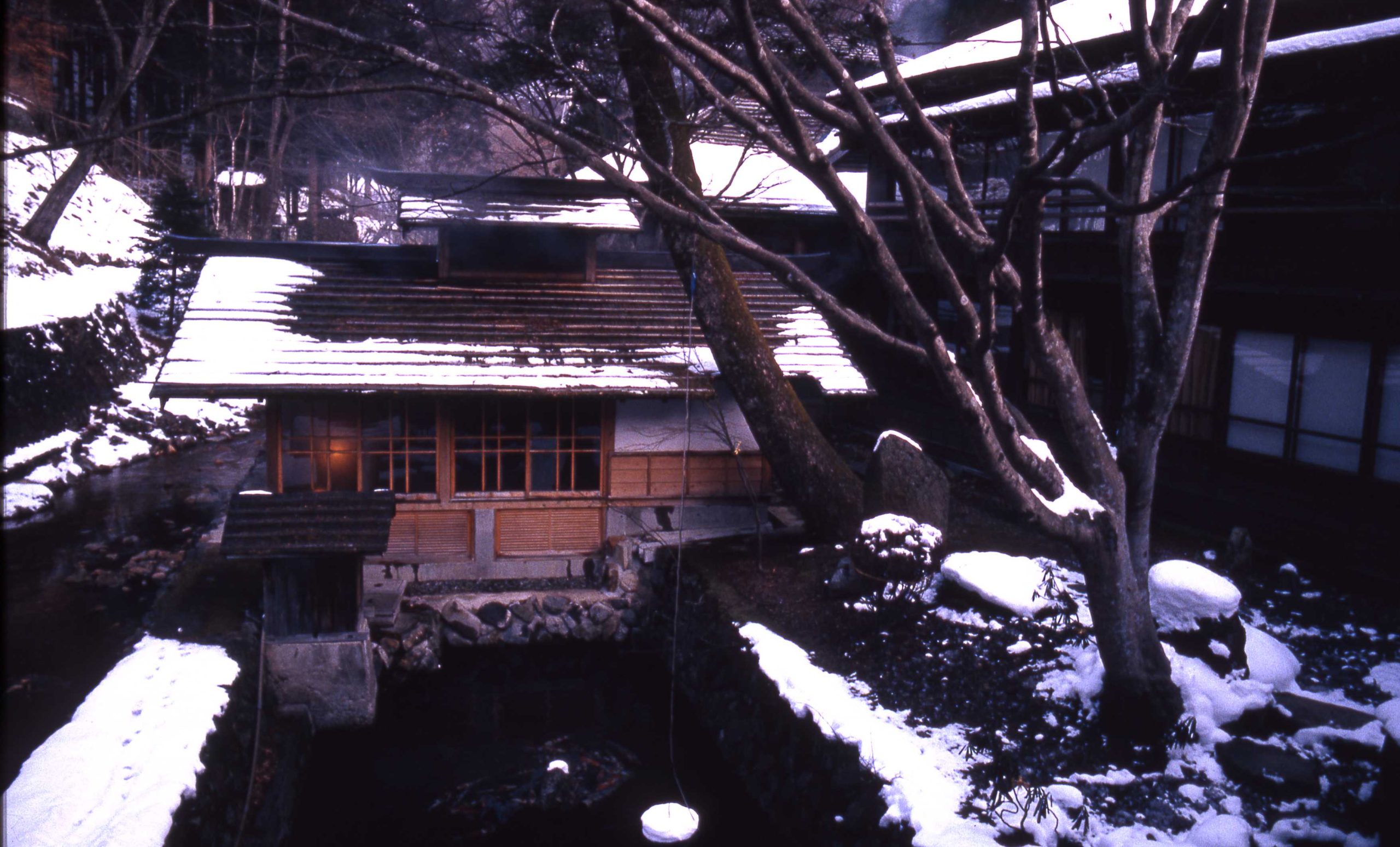
Soaking in an onsen bath before dinner is a central part of most ryokan stays.
Travel+Leisure has described the ryokan experience as one of the clearest windows into traditional Japanese hospitality still available to modern travelers, largely because so many family-run inns have resisted converting to a standard hotel format.
Tatami Rooms and Sleeping Arrangements
Guest rooms are floored in tatami, woven straw mats that are removed of outdoor shoes and even slippers before stepping onto them. A low table and floor cushions typically fill the room during the day, and staff clear the table and lay out futon bedding directly on the tatami each evening. Rooms are often simple by design, centered on a tokonoma alcove that might display a scroll or seasonal flower arrangement rather than a television or minibar.
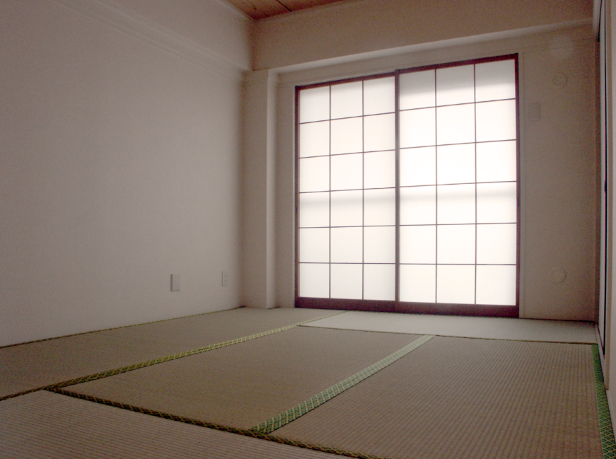
Tatami-matted rooms are simple by design, with futon bedding laid out each evening.
Etiquette Tips for First-Time Guests
- Shoes off at the entrance: Outdoor shoes are removed at the genkan entryway and swapped for indoor slippers.
- No slippers on tatami: Even indoor slippers come off before stepping onto tatami flooring.
- Wash before soaking: Always rinse off completely at the shower station before entering a shared bath.
- Wear the yukata correctly: Fold the robe left side over right; the reverse is associated with funeral dress.
- Tattoos: Some traditional onsen still restrict visible tattoos; checking policy in advance avoids an awkward moment at check-in.
Booking Tips
Ryokan rates are usually quoted per person, not per room, and typically include both dinner and breakfast, which explains why nightly prices can look higher than a comparable hotel room at first glance. Popular ryokan in hot spring towns and Kyoto book out months ahead during peak seasons, so reserving early is worth it for any property with fewer than a dozen rooms. Many smaller, family-run ryokan still take bookings by phone or through a Japanese-language site, so using a specialized booking platform or asking a hotel concierge for help can smooth out the process for travelers who don’t speak Japanese.
Practical Takeaway
Book a ryokan stay for at least one night on a Japan itinerary, ideally in a hot spring town where the bathing culture is central to the experience. Arrive in the afternoon to make the most of the bathing and dining schedule, follow the basic etiquette around shoes and tatami, and treat the multi-course dinner as the highlight of the evening rather than a formality to get through before bed.
Related reads: Planning more of a Japan trip? See our guides to 48 hours in Kyoto and the best hot spring resorts for a winter wellness getaway, or browse our roundup of nature-immersed stays for more unconventional lodging ideas. For a food-focused city break next, see our guide to where to eat in Lisbon.
Final Thoughts on Ryokan Stays
Ryokan stays in Japan reward travelers willing to slow down and follow a different rhythm than a typical hotel visit. Between the tatami rooms, the seasonal kaiseki dinners, and the ritual of soaking in an onsen bath, a well-chosen ryokan often ends up as the most memorable night of an entire Japan trip.
Related Articles

Lighthouse Hotels: Where to Sleep at the Edge of the Sea
Lighthouse hotels turn decommissioned beacons and keeper's cottages into some of the coast's most…

Vineyard Hotels: Where to Stay Among the Vines
Vineyard hotels turn working wine estates into overnight stays, from Tuscany's Brunello country to…

Riad Hotels in Marrakech: Where to Stay in the Medina
Riad hotels in Marrakech turn centuries-old courtyard houses into some of the medina's most…