Where to Eat in Lisbon: Tascas, Markets, and Tarts

Lisbon eats like a city that never stopped taking food seriously, from grandmother-run tascas tucked into Alfama’s alleys to the sprawling food hall inside Mercado da Ribeira. Knowing where to eat in Lisbon means moving beyond the obvious tourist strip in Baixa and following locals into the neighborhoods where the grilled fish, the bacalhau, and the pastries have stayed largely unchanged for generations.
Start at Mercado da Ribeira
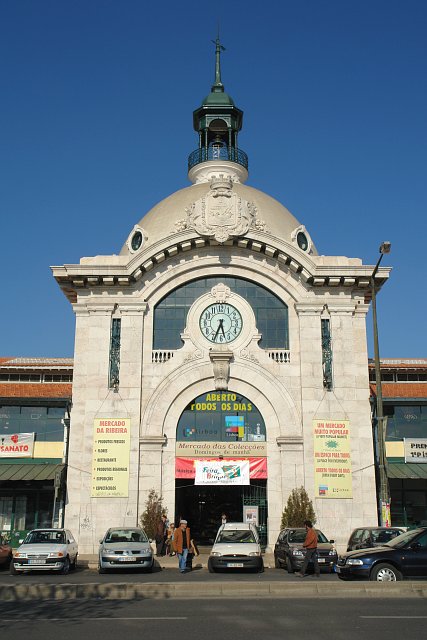
The easiest introduction to Lisbon’s food scene is Mercado da Ribeira, a century-old produce market whose western half was converted into a Time Out-curated food hall. Dozens of stalls run by well-known Lisbon chefs and restaurants sell smaller portions of their signature dishes side by side, making it possible to sample several different kitchens in one sitting. It works best as a first-night orientation meal rather than the only food stop of the trip, since the prices run higher than a neighborhood tasca for similar dishes.
Mercado da Ribeira brings dozens of well-known Lisbon kitchens together under one roof.
Alfama: Fado, Sardines, and Tascas
Lisbon’s oldest neighborhood is also its most reliable for traditional, unfussy cooking. Alfama’s steep, narrow streets hide small family-run tascas that have served the same handful of dishes for decades: grilled sardines in summer, bacalhau à brás, and hearty caldo verde soup. Many of these spots double as informal fado houses in the evening, where live performances of Portugal’s melancholic folk music play out just a few feet from the dinner tables.
What to Order in Alfama
- Sardinhas assadas: Salt-grilled sardines, traditionally available May through September, served on a slice of rustic bread.
- Bacalhau à brás: Shredded salt cod scrambled with eggs, thin fried potatoes, and olives.
- Caldo verde: A simple kale and potato soup, often served with a slice of chouriço.

Alfama’s steep, narrow lanes hide some of the city’s most traditional tascas.
Chiado and Bairro Alto: A More Polished Scene
West of Alfama, Chiado and Bairro Alto offer a more contemporary side of Lisbon dining, with wine bars, petisco-style small plates, and a growing number of chef-driven tasting menus. Bairro Alto comes alive after dark, when its bars spill onto the street, while Chiado leans toward a calmer, café-and-bookshop atmosphere by day. Portuguese wine, particularly from the Douro Valley and Alentejo, tends to be excellent value throughout both neighborhoods.
Condé Nast Traveler has highlighted Lisbon’s petisco culture, Portugal’s answer to tapas, as one of the easiest ways for visitors to sample a wide range of the city’s cooking without committing to a single large meal.
Belém: Where Pastel de Nata Began
No conversation about Lisbon food skips Belém, the riverside district where the original pastel de nata recipe was developed by monks at the Jerónimos Monastery in the early 1800s. The bakery that still uses the original recipe draws long lines nearly every day, though several other well-regarded pastelarias across the city center serve versions worth trying without the wait. A warm pastel de nata, lightly dusted with cinnamon, is best eaten within minutes of coming out of the oven.

A warm pastel de nata, fresh from the oven, is a Lisbon essential.
Cacilhas: Fresh Fish Across the River
A short ferry ride across the Tagus River to Cacilhas rewards travelers with some of the best-value grilled fish in the region, served in simple, no-frills dining rooms that cater more to locals than tourists. The ferry itself also delivers one of the best skyline views of Lisbon, making the short trip worthwhile even before the meal.
Ordering Like a Local
Portuguese meals are often built around sharing, so ordering a few smaller petiscos alongside one larger dish tends to work better than committing to a single main course each. Couvert, the small bread, olives, and cheese brought to the table before ordering, is not free and can be declined if not wanted, though most travelers find the modest charge worth it. Reservations are recommended for well-known Alfama and Chiado spots, especially on weekends, but many neighborhood tascas still operate on a first-come, first-served basis.
Vegetarian and Plant-Based Options
Traditional Portuguese cooking leans heavily on fish and pork, but Lisbon’s younger restaurant scene has caught up quickly with the rest of Europe. Principe Real and parts of Intendente now host a growing cluster of vegetarian and vegan restaurants, several of which put a plant-based spin on classic dishes like bacalhau or francesinha. Even traditional tascas increasingly offer at least one vegetable-forward petisco, such as grilled peppers or a chickpea salad, making it easier than it once was to eat well in Lisbon without ordering meat or fish at every meal.
Best Time of Year to Eat Well in Lisbon
Lisbon’s food calendar has a distinct seasonal rhythm. Grilled sardines, the city’s signature summer dish, are traditionally eaten only in the months without an “r” in their Portuguese name, meaning May through August, and are considered less flavorful when served frozen outside that window. June brings the Santos Populares festival, when Alfama and other older neighborhoods fill with street grills, sardine smoke, and outdoor dining that spills across every square. Visiting outside peak summer months means fewer crowds at sit-down restaurants, though a handful of sardine specialists still run year-round for travelers determined to try them regardless of season.
Practical Takeaway
Spread meals across Lisbon’s neighborhoods rather than staying in one area: Mercado da Ribeira for a first-night sampler, Alfama for traditional tascas and grilled fish, Chiado or Bairro Alto for wine bars and small plates, and Belém for the definitive pastel de nata. Booking a table in advance for popular spots and asking a server to recommend the day’s catch, rather than relying only on the printed menu, tends to produce the best meals of the trip.
Related reads: Exploring more of Portugal? See our guides to boutique hotels in Lisbon and 48 hours in Porto, or browse our roundup of the best wine regions in Europe for a tasting-focused trip. Heading somewhere sunnier next? Check our beach vacation packing list before you go.
Final Thoughts on Lisbon’s Food Scene
Figuring out where to eat in Lisbon comes down to leaving the main tourist strip and following the neighborhoods that locals actually eat in. Between Alfama’s tascas, Belém’s pastries, and a ferry ride across the river for fresh fish, Lisbon rewards travelers who treat food as its own kind of sightseeing.
Related Articles

Where to Eat in Rome: Trattorias, Markets, and Roman Classics
A neighborhood guide to where to eat in Rome, from the Campo de' Fiori…

Where to Eat in Naples: Pizza, Markets, and Street Food
Where to eat in Naples, from the wallet pizza sold on Spaccanapoli to the…
Where to Eat in Marrakech: Souks, Stalls, and Tagine
Where to eat in Marrakech, from Jemaa el-Fna's after-dark food stalls to the spice…