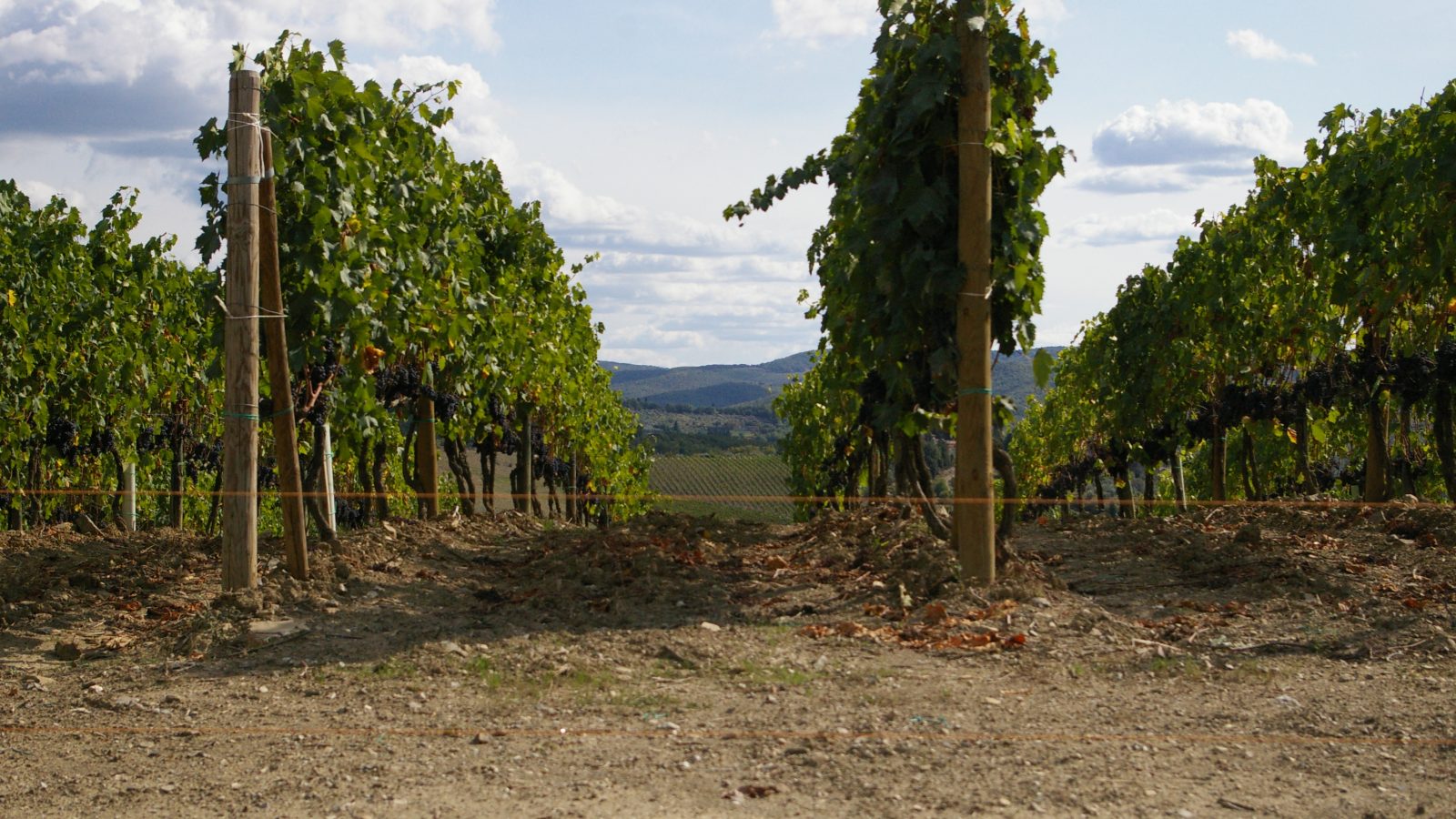
Vineyard Hotels: Where to Stay Among the Vines

Vineyard hotels have moved well past the tasting-room-and-gift-shop model. Across Tuscany, Napa Valley, Bordeaux, and Portugal’s Douro and Alentejo regions, working wine estates are adding suites, spas, and Michelin-level restaurants, turning what used to be a day-trip destination into somewhere travelers plan an entire stay around.
The appeal is straightforward: wake up inside the landscape that produced the glass of wine from dinner the night before, with cellar tours, vineyard walks, and harvest-season activities built into the stay rather than bolted on as an afterthought.
Why Vineyard Hotels Are Having a Moment
Wine tourism has always existed, but the hotel side of it has matured fast. Estates that once welcomed day-trippers for a tasting now compete on the same terms as design hotels and countryside resorts, with architect-designed suites, tasting menus built around the estate’s own vintages, and spa treatments that lean on grape-based ingredients like vinotherapy.
Part of the shift comes from wine regions investing seriously in accommodation to capture longer, higher-spending stays instead of single-day visits. A guest who sleeps on the property is far more likely to book a private cellar tour, a vineyard dinner, or a case of wine to take home.
Tuscany: Sangiovese and Storied Estates
Tuscany remains the benchmark for vineyard hotels in Europe, spanning Chianti Classico’s hill towns, the Brunello di Montalcino zone, and the Super Tuscan coast around Bolgheri.
What to Expect
Estates here often combine centuries-old architecture with working cellars. Castiglion del Bosco, a Rosewood-managed property inside the UNESCO-listed Val d’Orcia, sits on a 5,000-acre estate with over 60 hectares planted to Sangiovese for Brunello production, alongside a Michelin-starred restaurant and a private golf course. The pairing of medieval villages, top-tier wine, and serious hospitality is what sets the region apart.
When to Go
Late September through October puts guests close to harvest, when cellars are at their most active. Spring offers milder weather and greener vineyards for those prioritizing scenery over harvest activity.
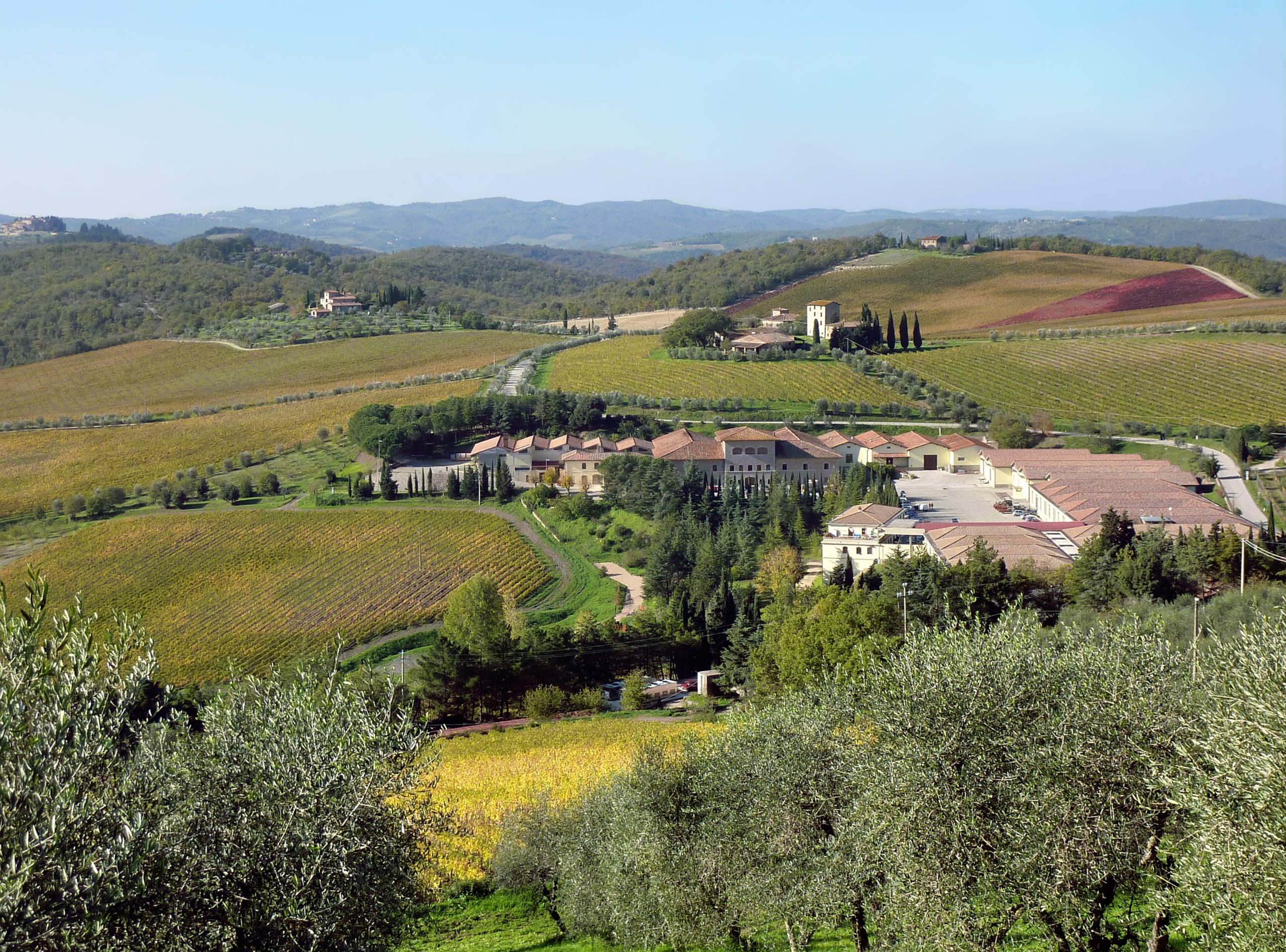
Napa Valley: California’s Wine Country Standard
Napa draws more than 4.5 million visitors a year across roughly 475 wineries, and its hotel scene has grown just as fast as its reputation for Cabernet Sauvignon.
Sub-AVAs Worth Knowing
Napa’s character shifts by sub-region: Rutherford and Oakville hillsides are known for structured, age-worthy Cabernet, St Helena and Calistoga lean into a mix of Cabernet and boutique producers, and the cooler Carneros AVA at the valley’s southern end favors Pinot Noir and Chardonnay.
What to Expect
Hilltop properties like Auberge du Soleil, open since 1981 above Rutherford, set the tone for the “vineyard resort” format the valley is known for: understated luxury, wine-list depth most restaurants can’t match, and views over the exact rows the wine in the glass came from.
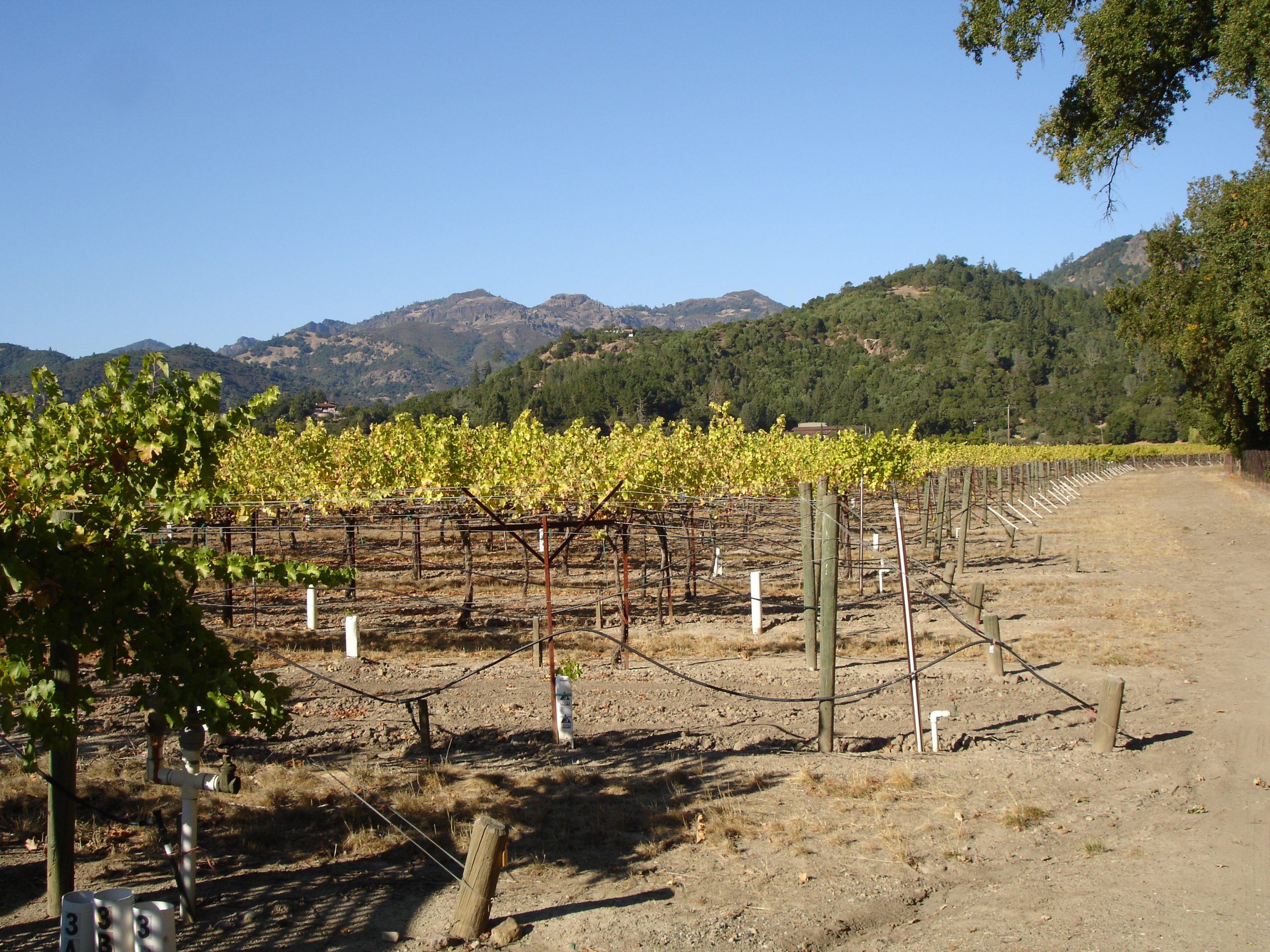
Bordeaux: Staying at the Château
Bordeaux essentially invented the idea of staying where the wine is made. The 1855 classification, the world’s oldest formal wine ranking, is built around estates that have hosted serious travelers in a guest room upstairs from the cellar for generations.
Left Bank vs. Right Bank
The Gironde estuary splits the region in two: the Left Bank around Médoc and Pessac-Léognan is Cabernet Sauvignon territory, while the Right Bank, covering Saint-Émilion and Pomerol, is dominated by Merlot. Properties like Les Sources de Caudalie sit inside a classed-growth estate with a two-Michelin-starred restaurant and a vinotherapy spa built directly into the working vineyard.
Beyond the Big Three: Portugal and England
Portugal’s Douro Valley and Alentejo region have built out a strong vineyard hotel scene of their own, often at lower price points than Tuscany or Bordeaux but with similarly serious design and dining. Some Alentejo estates have added features like retractable-roof stargazing suites and Michelin-starred restaurants tied to their own wine bars.
England’s wine industry, still young by comparison, has produced its own version of the trend: cellar-door estates adding glamping tents, cottages, and treehouses so visitors can stay the night without leaving the country. It’s a smaller-scale, more countryside version of the same idea driving hotel investment in Tuscany and Bordeaux.
What to Look for When Booking a Vineyard Hotel
- Working estate vs. hotel with a view – confirm the property actually grows and produces its own wine rather than simply overlooking someone else’s vineyard
- Included experiences – cellar tours, tastings, and vineyard walks are often bundled into higher-end stays but sometimes cost extra at simpler properties
- Harvest timing – visiting during harvest means more activity but also higher demand and rates; off-season stays trade some of that energy for quiet and better prices
- Distance from a city base – some of the best estates sit an hour or more from the nearest airport, so factor transport into the trip
The Takeaway
Vineyard hotels work because they solve a problem day-trip wine tourism never could: they let the trip end where the wine begins. Whether it’s a Rosewood-managed estate in the Val d’Orcia, a hillside perch above Rutherford, or a classed-growth château on Bordeaux’s Left Bank, the common thread is the same. Guests aren’t just visiting a vineyard anymore; they’re staying inside one.
]]>Related Articles

Lighthouse Hotels: Where to Sleep at the Edge of the Sea
Lighthouse hotels turn decommissioned beacons and keeper's cottages into some of the coast's most…

Riad Hotels in Marrakech: Where to Stay in the Medina
Riad hotels in Marrakech turn centuries-old courtyard houses into some of the medina's most…

Monastery Hotels in Europe: Where to Stay Behind Ancient Walls
Monastery hotels turn former abbeys and convents into quiet, atmospheric stays across Europe. Here's…