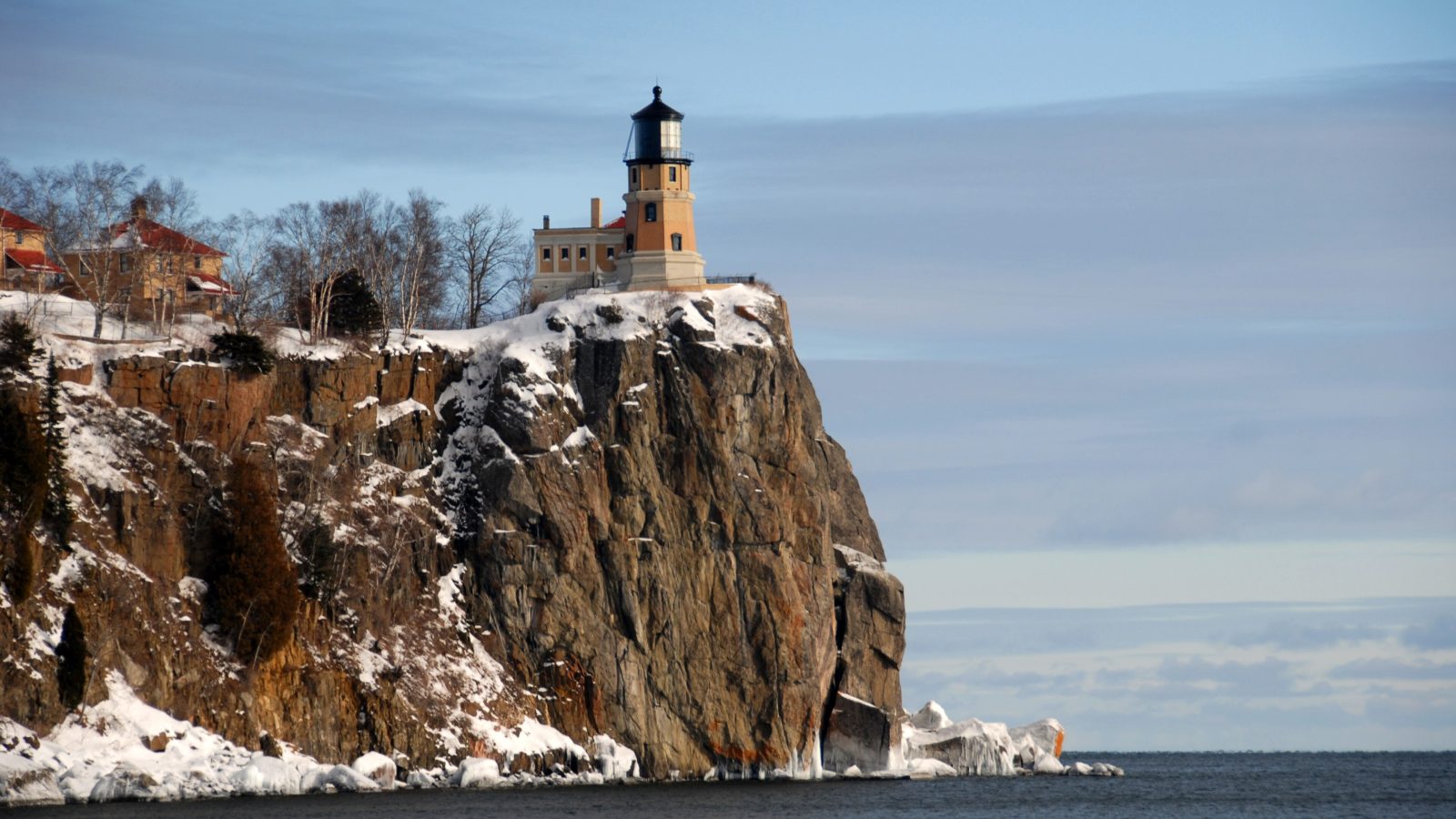
Lighthouse Hotels: Where to Sleep at the Edge of the Sea

Lighthouse hotels occupy a small but growing niche in coastal travel, converting decommissioned navigational towers and their attached keeper’s houses into overnight stays. The appeal is straightforward: unobstructed sea views, genuine maritime history, and a level of isolation that few other hotel categories can match. As many countries automated their lighthouses over the past several decades, hundreds of keeper’s residences sat empty, and a wave of preservation-minded operators has since stepped in to give them a second life as guest rooms.
Why Lighthouse Hotels Are Having a Moment
Coastal tourism boards and heritage trusts increasingly see lighthouse conversions as a practical way to fund preservation. A working hotel generates the revenue needed to maintain a historic structure that would otherwise require ongoing public subsidy, while giving travelers a stay they cannot easily replicate elsewhere.
The trend also fits neatly into broader shifts in travel demand, with more travelers seeking remote, nature-adjacent stays over conventional resort settings. A lighthouse delivers that remoteness almost by definition, since these structures were built specifically to sit apart from settled areas, on headlands, islands, or breakwaters exposed to open water.
What Makes These Stays Different
Unlike most boutique hotels, lighthouse properties rarely offer more than a handful of rooms, since the keeper’s cottage attached to a working light station was never designed to house large groups. That scarcity is part of the draw. Guests typically get:
- Direct, often unobstructed views of open water or a rocky coastline
- Access to the tower itself, sometimes including a climb to the lantern room
- Genuine period furnishings and preserved keeper’s-era architecture
- A level of quiet that comes from genuine physical isolation, not just marketing
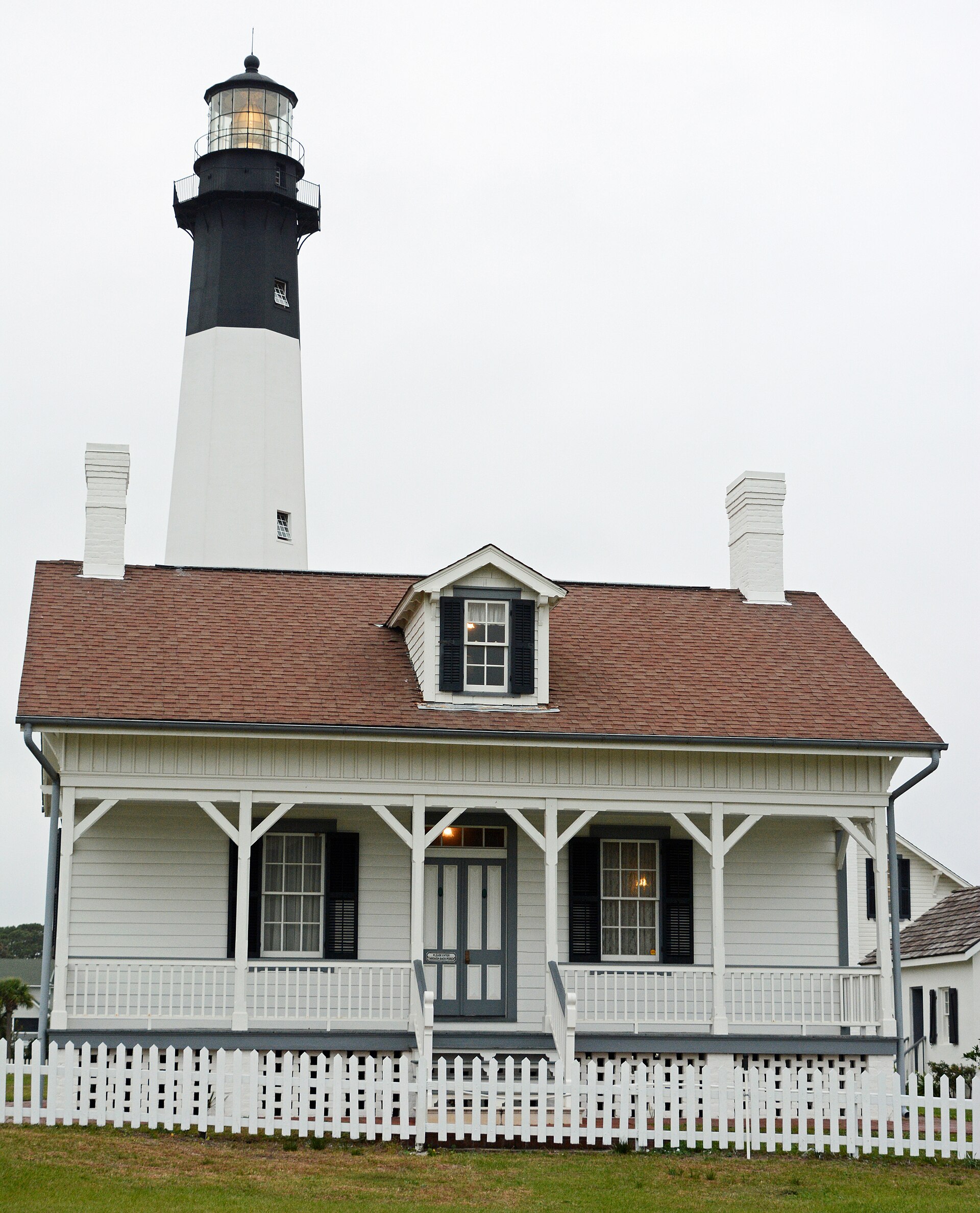
Keeper’s houses like this one form the guest quarters at most lighthouse hotel conversions.
Where to Book a Lighthouse Hotel
United States: Great Lakes and New England
The Great Lakes region has one of the highest concentrations of lighthouse stays in the world, a legacy of the dense shipping traffic that once moved through the lakes. Properties on the Keweenaw Peninsula in Michigan and along Minnesota’s North Shore near Split Rock Lighthouse draw travelers who want dramatic Lake Superior scenery without the cost of a coastal resort. New England adds its own cluster of keeper’s-house rentals along the Maine and Massachusetts coastlines, many managed by local historical societies.
Ireland and the United Kingdom
Ireland’s Great Lighthouses of Ireland initiative has restored several keeper’s cottages for overnight stays, including at Hook Head in County Wexford, one of the oldest operational lighthouses in the world. In the UK, the Landmark Trust manages a portfolio of former lighthouse keeper’s homes across England, Scotland, and Wales, pairing preservation with paying guests.
Scandinavia and the Baltic
Sweden, Norway, and Estonia all maintain lighthouse-hotel conversions along their extensive coastlines, often reachable only by boat. These tend to be some of the most remote options in the category, appealing to travelers who want genuine solitude over easy accessibility.
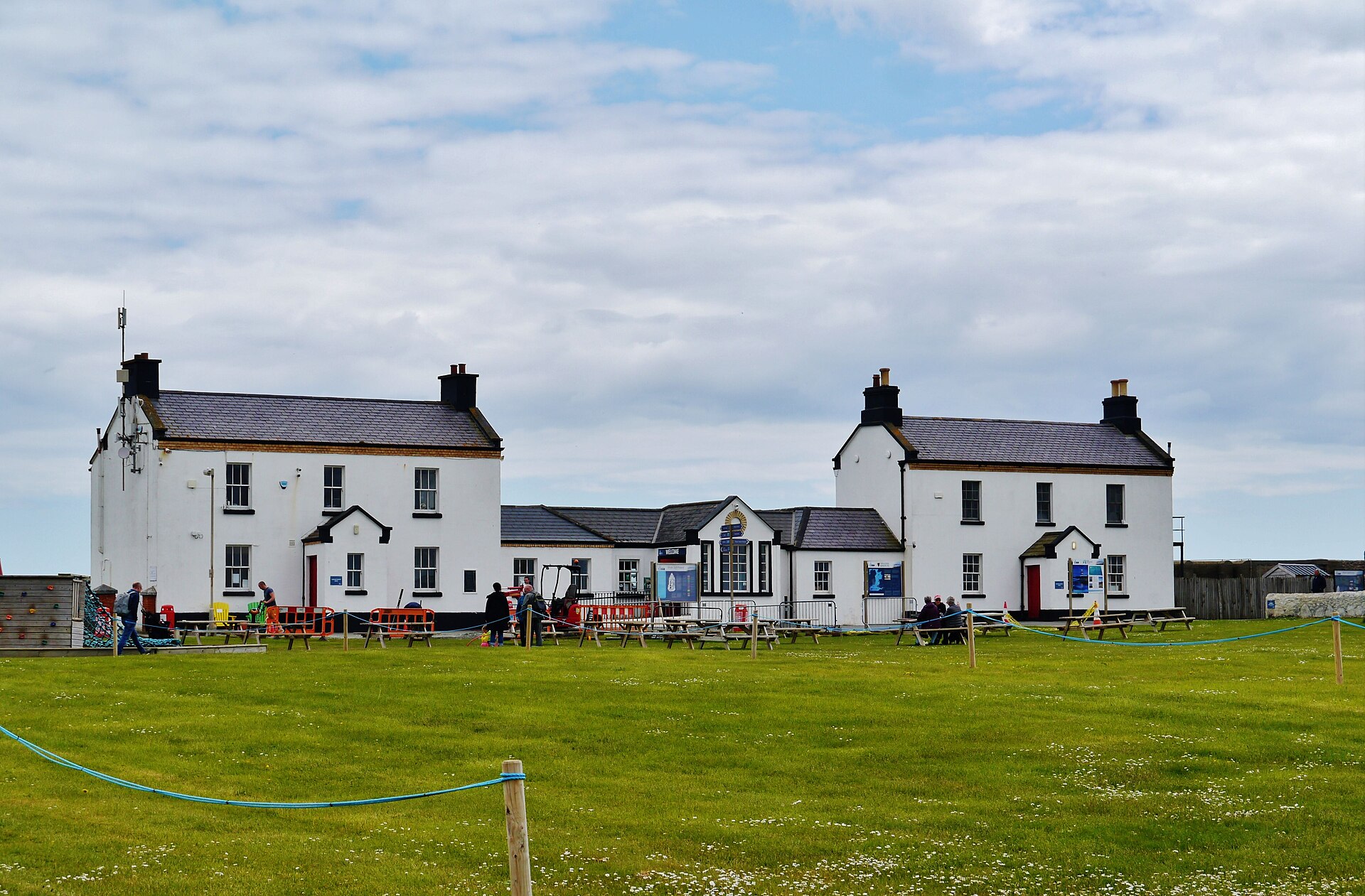
Hook Head in Ireland pairs a working medieval lighthouse with restored keeper’s cottages.
How a Lighthouse Becomes a Hotel
The path from working navigational aid to overnight stay usually starts with automation. As satellite-based navigation and automated lights made resident keepers unnecessary, coast guards and maritime authorities across North America and Europe decommissioned keeper positions throughout the late twentieth century, leaving the attached cottages vacant. Rather than let these structures fall into disrepair, many governments transferred ownership to local preservation trusts, historical societies, or private operators willing to take on restoration costs in exchange for the right to operate the property commercially.
That arrangement tends to produce a distinctive kind of hospitality. Because the buildings are protected or landmarked, renovations usually have to preserve original architectural details rather than modernize freely, which is part of why lighthouse hotels tend to feel more like stepping into a working museum than a conventional bed and breakfast. Some properties still maintain the tower’s original Fresnel lens, even if the light itself has been replaced by an automated, unmanned beacon nearby.
What to Expect From a Stay
Rooms and Amenities
Most lighthouse hotels favor historic character over modern amenities. Expect nautical decor, compact rooms shaped by the original cottage layout, and limited or no air conditioning in older properties. Wi-Fi and cell service can be inconsistent given the remote settings, which many guests treat as a feature rather than a drawback.
Booking Considerations
Because room counts are so limited, availability during peak summer months books out well in advance, sometimes a year ahead for the most popular properties. Many lighthouse stays also operate on a seasonal calendar, closing entirely during harsh winter months when access becomes difficult or unsafe.
Practical Takeaway for Travelers
- Book six to twelve months ahead for peak summer dates at well-known properties.
- Confirm what’s included: some lighthouse stays offer full board given their remote locations, while others are self-catering.
- Pack for variable weather; coastal lighthouse sites are typically more exposed to wind and temperature swings than inland hotels.
- Check accessibility in advance, since many keeper’s houses involve stairs and uneven, historic floor plans.
Sustainability and Preservation
There’s also a conservation argument behind the trend. A lighthouse that generates nightly room revenue has a far better chance of long-term upkeep than one sitting vacant and reliant on sporadic grant funding. Several heritage organizations now treat hotel conversion as their default preservation strategy for decommissioned light stations, rather than a last resort, precisely because it creates a sustainable funding stream tied directly to the building’s continued survival.
Conclusion
Lighthouse hotels will likely never scale beyond a niche category, and that scarcity is exactly the point. For travelers drawn to maritime history, dramatic coastal settings, and a level of quiet that’s increasingly hard to find at conventional hotels, a night in a working or retired light station delivers an experience that few other categories of historic hotels can match. Travelers who enjoyed a stay at a castle hotel or a monastery hotel in Europe will likely find a similar appeal in a lighthouse conversion: history repurposed into a genuinely memorable overnight stay. Travelers planning a food-focused trip after a coastal stay may also enjoy our guide to where to eat in Rome.
For a running list of restorations and new openings, Travel + Leisure and heritage groups like the United States Lighthouse Society track the category closely.
Related Articles

Vineyard Hotels: Where to Stay Among the Vines
Vineyard hotels turn working wine estates into overnight stays, from Tuscany's Brunello country to…

Riad Hotels in Marrakech: Where to Stay in the Medina
Riad hotels in Marrakech turn centuries-old courtyard houses into some of the medina's most…
Monastery Hotels in Europe: Where to Stay Behind Ancient Walls
Monastery hotels turn former abbeys and convents into quiet, atmospheric stays across Europe. Here's…