48 Hours in Kyoto: A Perfect Weekend Itinerary

Spending 48 hours in Kyoto is enough time to understand why the city remains Japan’s cultural anchor, even if it’s nowhere near enough time to see everything. Between thousands of torii gates, centuries-old tea houses, and a food scene built around seasonal, delicately prepared dishes, Kyoto rewards travelers who plan a tight but unhurried route rather than trying to sprint between every famous temple. This itinerary is built for a first visit, with enough breathing room to actually enjoy the city instead of just checking landmarks off a list.
Getting Oriented: How to Structure 48 Hours in Kyoto
Kyoto is spread across a wide basin, and its major sights cluster in a few distinct districts: Higashiyama and Gion in the east, the Arashiyama bamboo groves in the west, and Fushimi Inari to the south. Trying to zigzag between all of them in one day wastes hours in transit. The most efficient approach groups sights geographically, with one day dedicated to the eastern temples and streets, and a second focused on Fushimi Inari and a slower, food-forward afternoon.
Japan’s rail network makes day trips easy, but within Kyoto itself, buses and walking cover most of what a 48-hour visitor needs. A one- or two-day bus pass is worth buying at Kyoto Station on arrival.
Day One: Higashiyama, Gion, and the Eastern Temples
Morning: Kiyomizu-dera and the Higashiyama Slopes
Start early at Kiyomizu-dera, a wooden temple built on a hillside without a single nail, before the tour buses arrive. The walk down through the Higashiyama preservation district, past Ninenzaka and Sannenzaka’s sloped stone streets, is one of the most photographed stretches in Kyoto for good reason — traditional shopfronts, tea houses, and pottery stores line the route almost the entire way.
Afternoon: Gion District
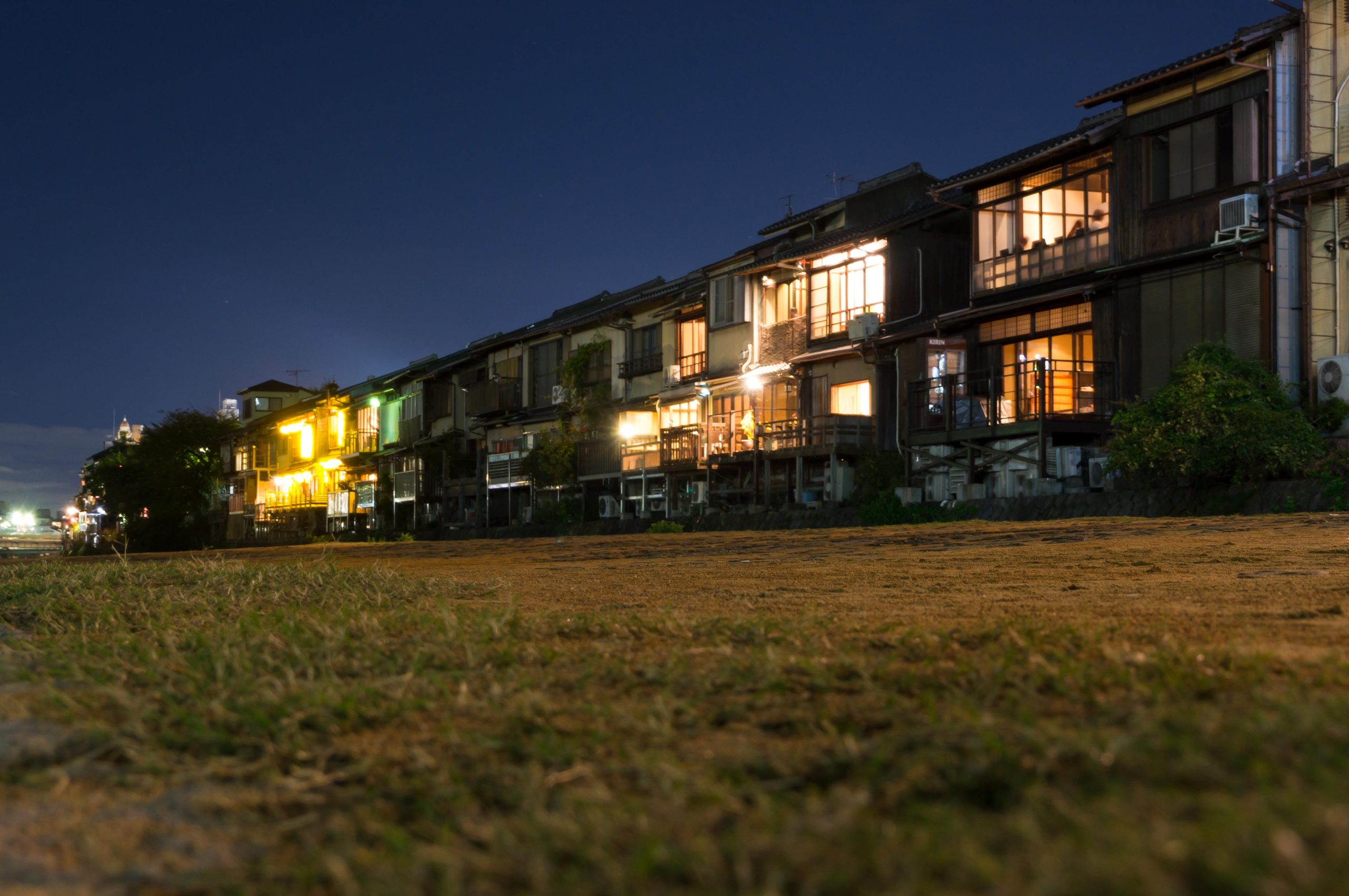
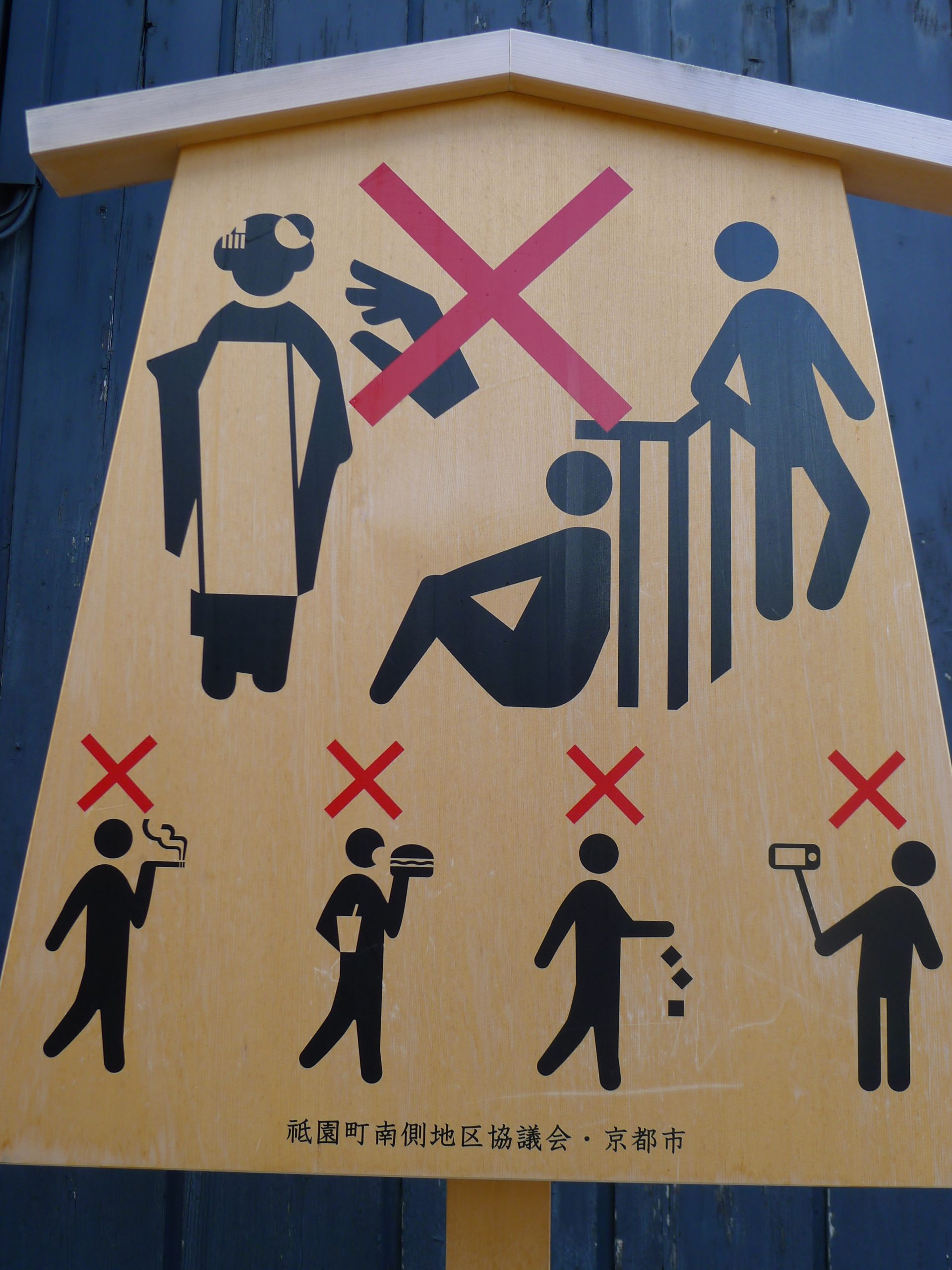
By early afternoon, shift toward Gion, Kyoto’s historic geisha district. Hanamikoji Street is the main thoroughfare, lined with machiya townhouses that now hold restaurants and traditional teahouses. Visitors sometimes hope to spot a geiko or maiko heading to an appointment; if you do, the respectful approach is to admire from a distance rather than block their path for a photo. The Shirakawa canal area, a few streets over, is quieter and arguably just as photogenic, with willow trees lining the water.
Evening: Kaiseki or Casual Kyoto Cuisine
Kyoto’s food identity centers on kaiseki, a multi-course meal built around seasonal ingredients and precise presentation. A full kaiseki dinner is a worthwhile splurge on one of the two nights, but casual options — yudofu (hot pot tofu), obanzai home-style dishes, or a counter-seat ramen shop — are just as representative of local eating habits and considerably easier on both budget and schedule.
Day Two: Fushimi Inari and a Slower Afternoon
Morning: Fushimi Inari Taisha
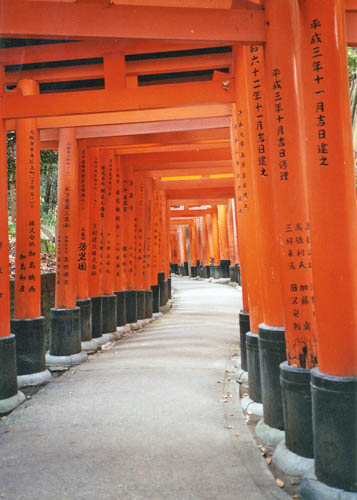
Fushimi Inari Taisha, with its tunnel of thousands of vermilion torii gates climbing Mount Inari, is Kyoto’s most recognizable sight and deserves an early start. The gates were donated by individuals and businesses over centuries as offerings, and the full loop to the summit takes two to three hours round trip. Most visitors only need to walk 30–45 minutes in to reach the first strong viewpoints, which is enough for anyone short on time.
Afternoon: Choose Your Pace
The second afternoon is where a 48-hour visitor should build in flexibility. Options include:
- Arashiyama: the bamboo grove and Tenryu-ji temple garden, best visited early to avoid the densest crowds.
- Nishiki Market: a covered market street nicknamed “Kyoto’s Kitchen,” good for grazing on skewered street food, pickles, and matcha sweets.
- Philosopher’s Path: a canal-side walking route connecting several temples, particularly scenic in cherry blossom or autumn foliage season.
Trying to fit all three into one afternoon is possible but rushed; picking two leaves room to actually sit down for tea rather than photographing everything from a moving pace.
Where to Base Yourself for Two Nights
For a 48-hour visit, location matters more than amenities. Staying near Kyoto Station gives the easiest access to trains and buses in every direction, which matters if the trip is bookended by a shinkansen arrival and departure. Travelers who prioritize atmosphere over convenience often prefer Higashiyama or Gion instead, where traditional ryokan inns and machiya-style guesthouses put the eastern temple district within walking distance and let the evening streets empty out once the day-trip crowds head back to their hotels near the station.
A ryokan stay, even for one night, is worth considering if the budget allows. Beyond the futon-on-tatami sleeping style, many include a multi-course kaiseki dinner and breakfast, an onsen-style bath, and staff who can help translate a Kyoto trip’s logistics — from taxi directions to restaurant reservations — in a way a standard hotel front desk usually can’t.
Best Time of Year for a Short Kyoto Trip
Cherry blossom season (late March to early April) and autumn foliage (mid-November) are Kyoto’s most beautiful — and most crowded — windows, with hotel rates to match. For a calmer 48 hours with comparable weather and thinner crowds, late April to May and October are strong alternatives that still offer pleasant temperatures for the amount of walking this itinerary requires.
Practical Tips for a Short Kyoto Trip
- Wear comfortable shoes. Between temple grounds, market streets, and hillside paths, a 48-hour Kyoto itinerary easily adds up to 20,000+ steps a day.
- Carry cash. Many smaller restaurants, temples, and market stalls in Kyoto still don’t accept cards.
- Visit major sights at opening time. Kiyomizu-dera and Fushimi Inari both get significantly more crowded after 10 a.m., especially during cherry blossom and autumn foliage seasons.
- Dress modestly and keep noise down at temples and shrines, which remain active places of worship rather than pure tourist attractions.
A Practical Takeaway
The travelers who enjoy Kyoto most in a short window are the ones who accept they won’t see everything. Pick one temple cluster per morning, leave the afternoons slightly open, and prioritize sitting down for a proper meal over squeezing in one more shrine. Japan’s official tourism resources, including Japan Travel’s Kyoto guide, are useful for checking seasonal events and temple hours before you go, and Condé Nast Traveler’s Kyoto coverage is a solid source for restaurant recommendations that go beyond the standard tourist circuit.
Conclusion
48 hours in Kyoto is a tight but genuinely rewarding window, as long as the itinerary respects geography instead of chasing every landmark across the city. Anchor the first day around Higashiyama and Gion, the second around Fushimi Inari and one slower activity, and build in time to simply sit with a cup of matcha somewhere quiet. That balance of movement and stillness is, in many ways, the most Kyoto way to see the city.