Best Hot Spring Resorts for a Winter Wellness Getaway

Winter has a way of making the case for hot spring resorts better than any marketing campaign could. When the air turns sharp and the days get short, the idea of sinking into naturally heated water outdoors, snow collecting on your shoulders while your feet stay warm, becomes almost irresistible. Across the world, hot spring resorts have built entire experiences around this contrast, pairing geothermal water with slower schedules, better sleep, and a real break from screens.
This guide rounds up the hot spring resorts worth planning a winter trip around, from Iceland’s most famous geothermal lagoon to centuries-old onsen towns in the Japanese mountains. Along the way, we’ll cover what makes each destination different, what to expect on arrival, and how to turn a single soak into a genuine wellness getaway.
Why Winter Is the Best Season for Hot Spring Resorts
Geothermal water doesn’t care about the weather, and that’s exactly the appeal. Most hot spring resorts sit at a steady 38–42°C (100–108°F), which feels dramatically better in freezing air than it does on a warm summer afternoon. Steam rises off the surface, cold air keeps your head clear, and the contrast between hot water and cold skin triggers a genuine sense of calm that’s hard to replicate indoors.
There’s a practical upside too. Winter is typically the quieter season at many hot spring resorts, particularly outside major holidays, which means shorter waits, better rates on rooms, and a more restorative pace overall.
Iceland: Geothermal Lagoons Built for Snow
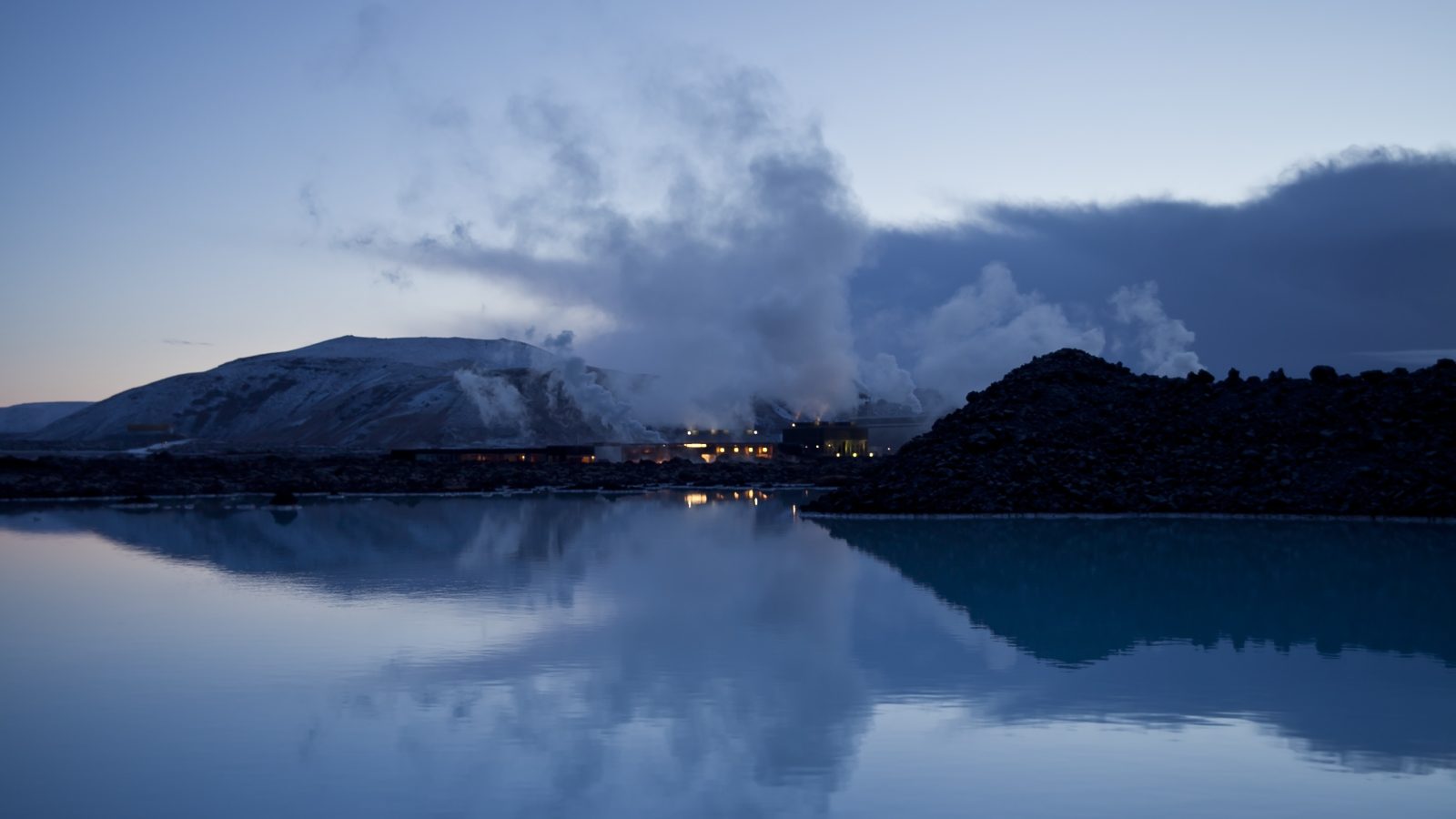
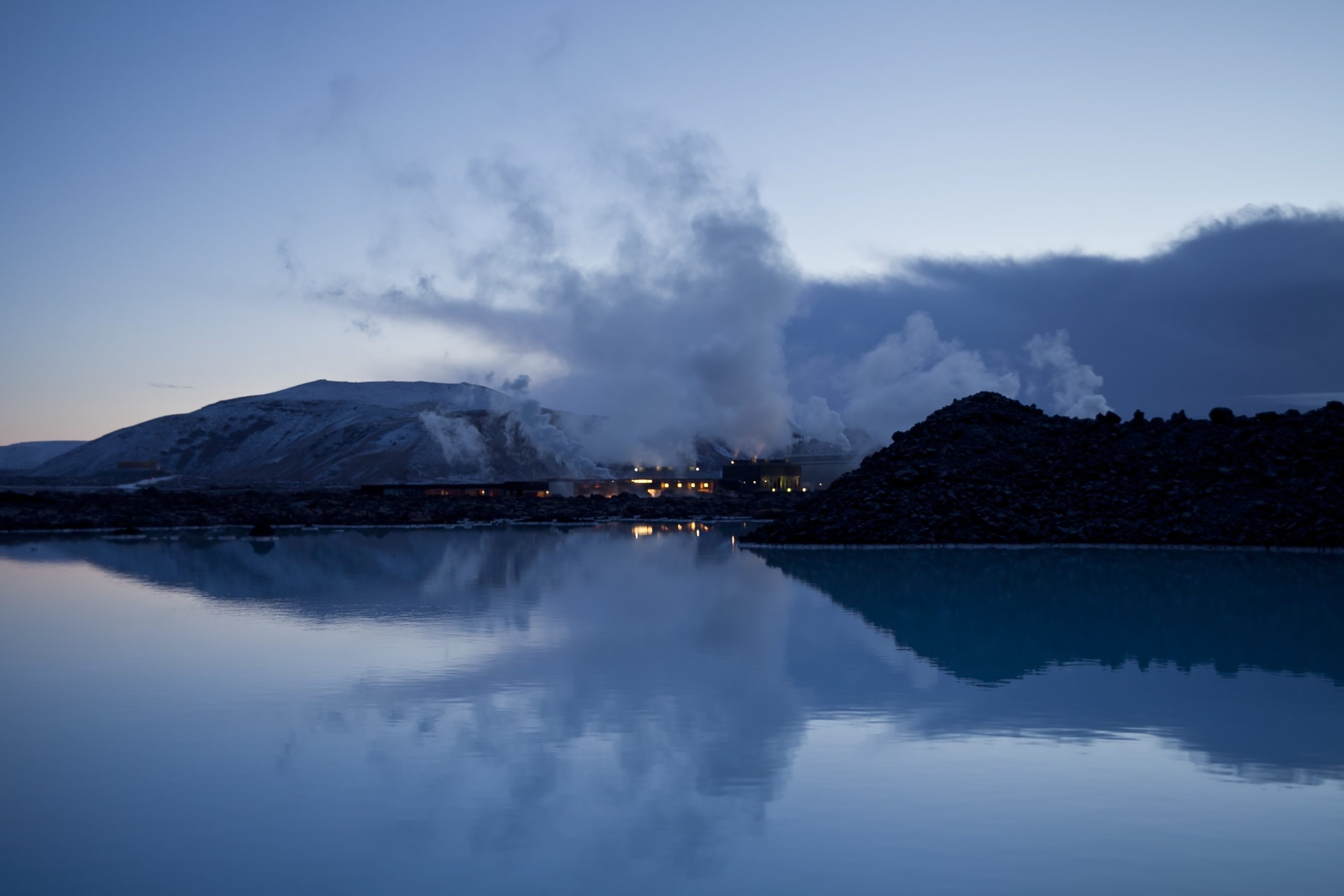
Iceland’s geology makes it one of the most reliable places on earth to find hot spring resorts, and winter is arguably when they’re at their best. The Blue Lagoon remains the country’s most recognizable geothermal spa, fed by water from the nearby Svartsengi power station and known for its milky blue color and mineral-rich silica mud.
Blue Lagoon
Located on the Reykjanes Peninsula, the Blue Lagoon sits close enough to Keflavík International Airport that many travelers stop there straight off an overnight flight. Winter visits often come with a bonus: on clear, dark nights, there’s a real chance of watching the northern lights from the water. According to Blue Lagoon Iceland’s own site, the resort has spent decades researching the healing properties of its geothermal seawater, and treatments now range from in-water massages to silica-based skincare rituals.
Sky Lagoon and Secret Lagoon
For travelers who want something quieter, the Sky Lagoon near Reykjavik offers an infinity-edge pool overlooking the harbor, along with a seven-step ritual that moves guests through hot water, a cold plunge, sauna, and steam room. Further east, the Secret Lagoon in Fludir is Iceland’s oldest swimming pool, unpolished and low-key, with none of the retail spectacle of the bigger resorts.
Japan: Onsen Towns Built Around the Bath
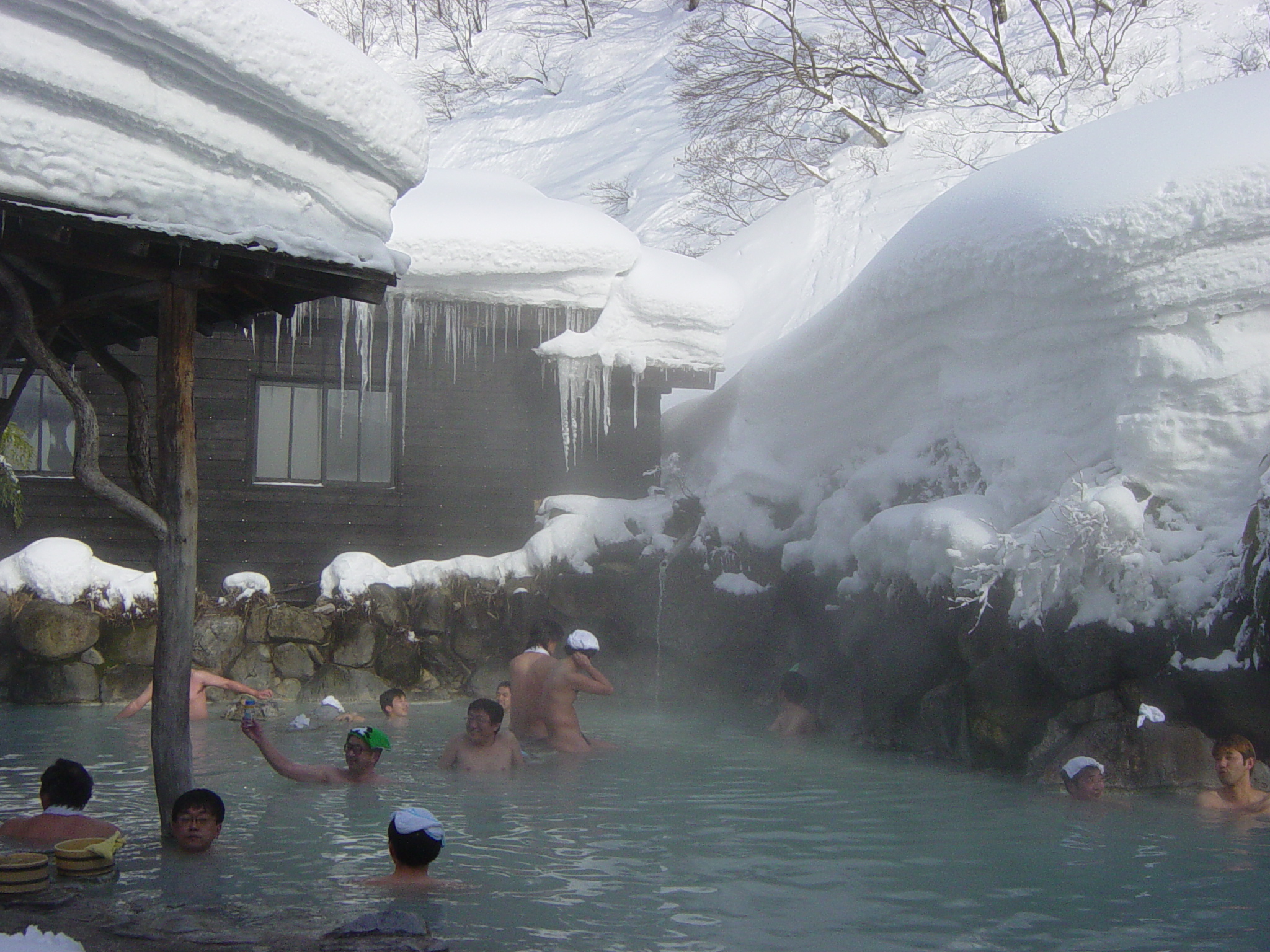
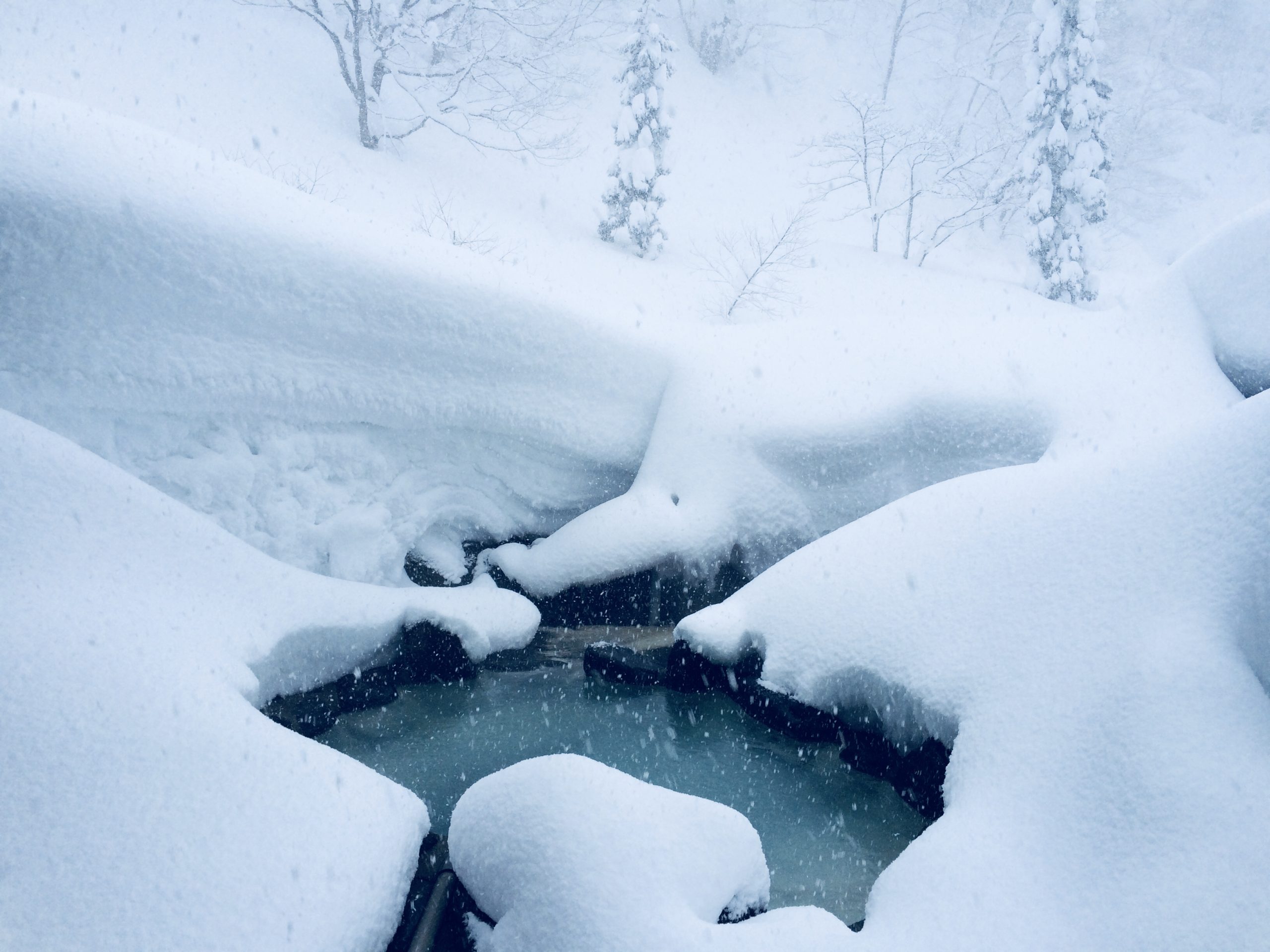
Nowhere has built more culture around hot spring resorts than Japan, where onsen have shaped everything from architecture to etiquette for over a thousand years. Winter, especially when snow is falling, is considered peak season for a reason: nothing quite matches soaking in an open-air rotenburo bath while snowflakes settle on the water’s surface.
Tsurunoyu Onsen
Tucked deep in Akita Prefecture, Tsurunoyu is one of the oldest ryokan-style hot spring resorts in the country, with thatched-roof buildings and a milky white mixed-gender outdoor bath that dates back centuries. Reaching it requires a drive through mountain roads that are often snow-packed by December, which only adds to the sense of arrival.
Ginzan Onsen and Hakone
Ginzan Onsen, in Yamagata Prefecture, is famous for its row of gas-lit wooden ryokan lining a snow-covered river, an image so striking it’s often used to represent Japanese winter travel. Closer to Tokyo, Hakone offers easier access for shorter trips, with ryokan that pair private in-room baths with sweeping views toward Mount Fuji on clear days.
Bathing etiquette matters at Japanese hot spring resorts: guests wash thoroughly before entering the water, swimsuits are not worn in traditional baths, and towels stay out of the water itself. Staff are generally happy to walk first-timers through the routine.
What to Look for When Booking
Not every geothermal pool makes for a restorative stay. A few details separate a genuinely good hot spring resort from a crowded tourist stop:
- Water temperature and mineral content, which vary widely between sulfur-rich onsen and silica-heavy lagoons
- Whether bathing is communal, private, or bookable by the hour
- On-site accommodation, since staying overnight usually means access outside peak crowds
- Seasonal closures, particularly at remote mountain onsen that can be snowed in during heavy storms
- Additional wellness offerings, from massage to sauna cycles, that extend a simple soak into a full afternoon
Travel+Leisure has noted that demand for wellness-focused travel continues to grow year over year, with hot spring resorts consistently ranking among the most requested winter itineraries for travelers looking to combine a destination with genuine downtime.
Planning a Winter Wellness Trip Around a Hot Spring Resort
A single afternoon soak is memorable, but building a full trip around a hot spring resort tends to be more rewarding. Consider pairing an onsen town with a slower regional itinerary rather than a rushed day trip, and book accommodation on-site when possible so you can bathe early morning and late at night, when pools are quietest.
Layer clothing for the walk between changing rooms and the water, bring a reusable water bottle since soaking is dehydrating, and resist the urge to overpack the schedule. The whole point of a hot spring resort is doing less, not more.
Conclusion
Whether it’s the surreal blue water of an Icelandic lagoon or a snow-dusted rotenburo tucked into the Japanese mountains, the best hot spring resorts share one thing in common: they force a slower pace. That’s precisely what makes them worth the trip in winter, when a little heat and a lot of stillness go a long way. If Southeast Asia is more your speed, don’t miss our guide to where to eat in Bangkok for when you’re ready to trade the sauna for a night market.