Vienna Travel Guide: Best Time to Visit and Where to Stay

A Vienna travel guide has to reckon with a city that spent centuries as the seat of an empire and still carries itself that way. Wide boulevards, gilded concert halls, and coffee houses that have barely changed their menus in a hundred years give Vienna a formality that other European capitals traded away long ago. Yet the city is also compact, walkable, and increasingly easy to navigate for first-time visitors who want imperial grandeur without the crowds of Paris or Rome.
Why Vienna Still Rewards a First Visit
Vienna spent nearly 600 years as the capital of the Habsburg Empire, and that history is stamped onto almost every block of the Innere Stadt, the old town encircled by the Ringstrasse boulevard. Museums here hold some of Europe’s finest art collections, the State Opera stages world-class performances most nights of the year, and the city’s famous Kaffeehäuser still function as informal reading rooms where a single coffee buys hours at a marble table.
What sets Vienna apart from other former imperial capitals is how livable it remains. The city consistently ranks among the world’s most livable, thanks to clean public transit, extensive parks, and a downtown core small enough to cover mostly on foot.
A City Built Around Music and Art
Mozart, Beethoven, and Strauss all worked in Vienna, and the city’s musical institutions treat that legacy as an ongoing responsibility rather than a museum piece. The Vienna State Opera and the Musikverein, home to the Vienna Philharmonic, both offer standing-room tickets for a few euros, making world-class performances accessible even on a tight budget.
Best Time to Visit Vienna
Vienna has a distinct high season, but it is gentler than most European capitals. Late spring (May and June) and early autumn (September and October) offer the most comfortable weather, with mild temperatures and thinner crowds at major sights like Schönbrunn Palace.
- Spring (April–June): Parks bloom, outdoor cafés reopen, and the Vienna Festival brings a packed cultural calendar.
- Summer (July–August): Warm and busy, with open-air film screenings at City Hall Square and long daylight hours for sightseeing.
- Autumn (September–October): Cooler, quieter, and ideal for museum-heavy itineraries.
- Winter (November–December): Christmas markets transform the city center, and hotel rates often dip outside the market weekends.
Travelers chasing the Christmas markets should book well ahead. The market in front of City Hall, along with smaller ones at Schönbrunn and Karlsplatz, draws visitors from across the region every December.
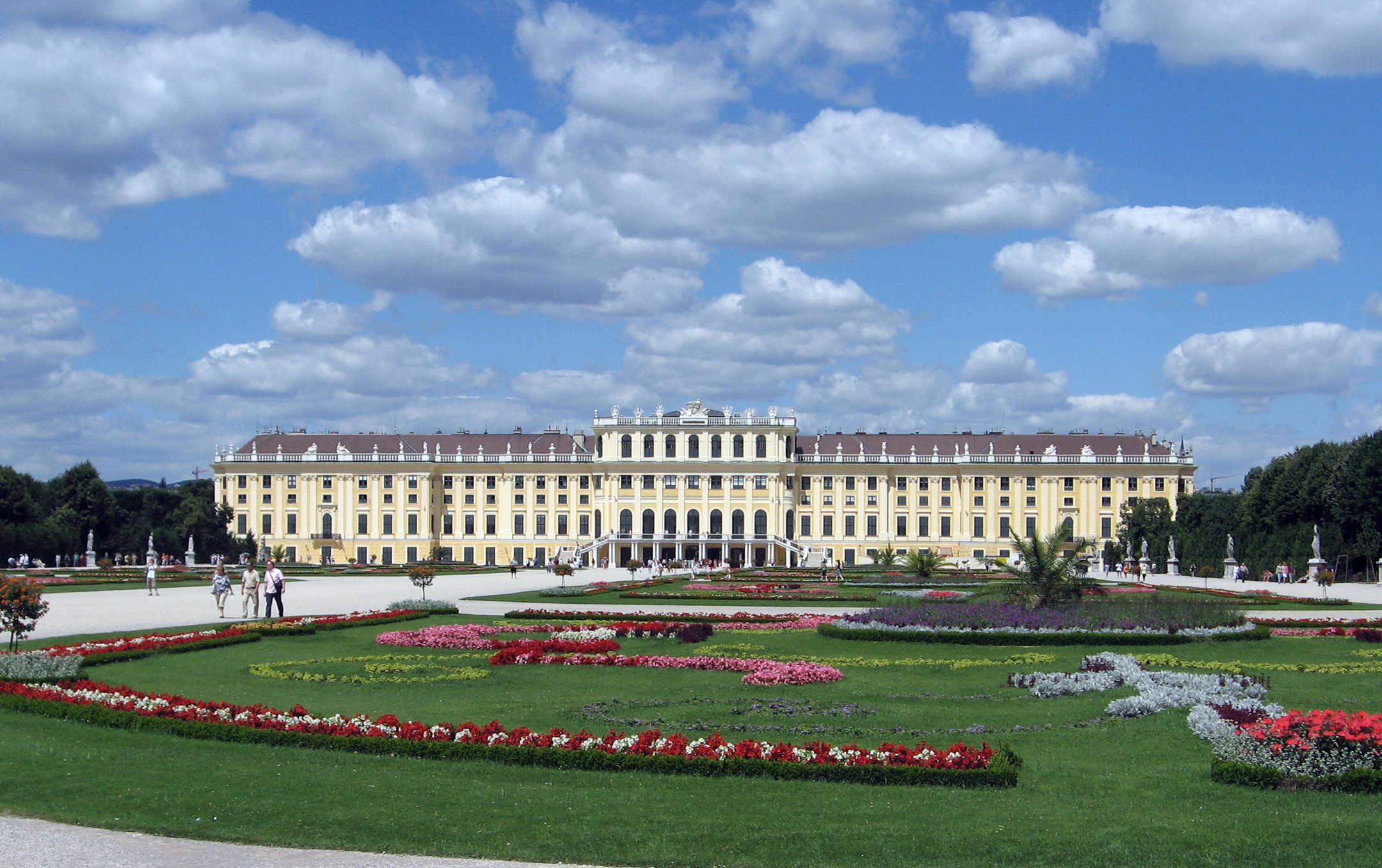
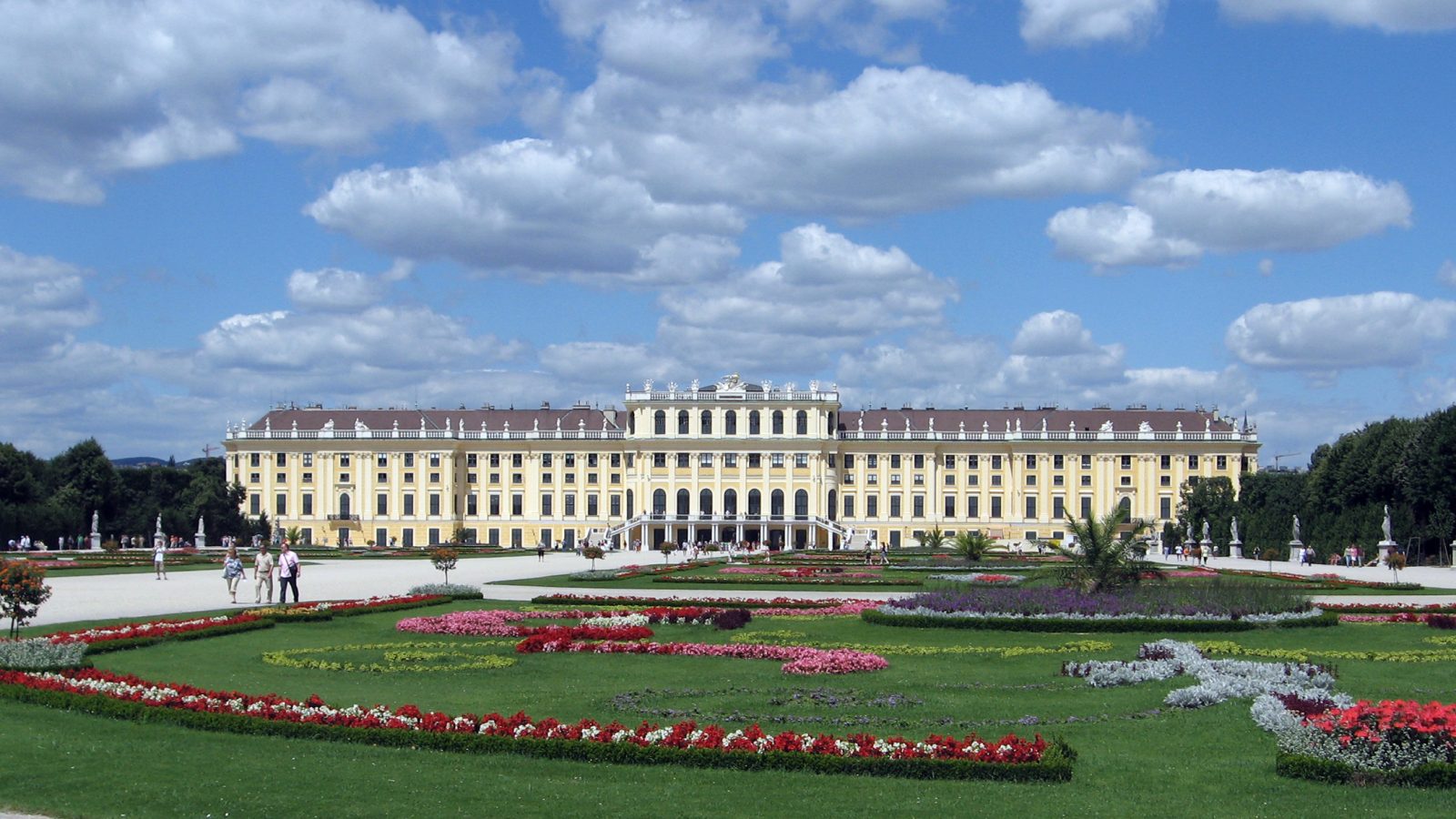
Schönbrunn Palace, the Habsburgs’ summer residence, remains the city’s most visited attraction.
Where to Stay in Vienna
Choosing a base comes down to how much time is available and what kind of trip is planned. Vienna’s public transit network makes almost any central neighborhood workable, but each area has a distinct character.
Innere Stadt: For First-Timers
The historic core inside the Ringstrasse puts St. Stephen’s Cathedral, the State Opera, and the Hofburg Palace complex within walking distance of most hotels. It is the most expensive district, but also the most convenient for a short trip focused on sightseeing.
Neubau and the Museum Quarter: For Design-Focused Travelers
Just west of the center, Neubau blends the MuseumsQuartier’s contemporary art spaces with independent boutiques, wine bars, and design-forward guesthouses. It suits travelers who want walkable access to culture without the price premium of the Innere Stadt.
Leopoldstadt: For a Local Feel
Across the Danube Canal, Leopoldstadt has quietly become one of Vienna’s most interesting neighborhoods, home to the Prater amusement park, a growing food scene, and generally lower hotel rates than the center.
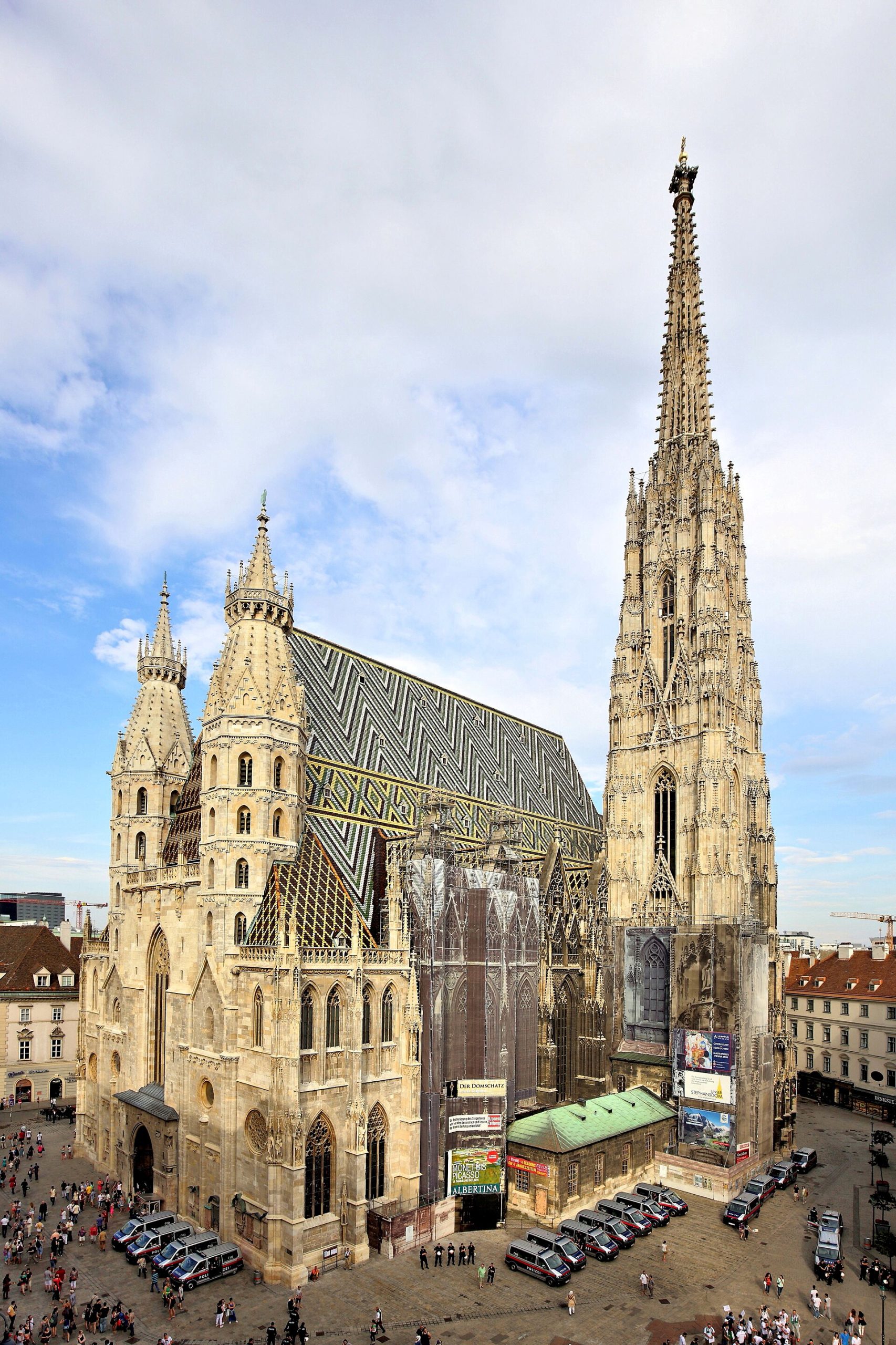
St. Stephen’s Cathedral marks the geographic and symbolic center of the Innere Stadt.
Building a First-Time Itinerary
Vienna rewards travelers who slow down rather than sprint between checklist sights. A well-paced first visit generally covers three broad areas: the Hofburg Palace complex, Schönbrunn Palace, and the city’s coffee house culture.
The Hofburg and Ringstrasse
The Hofburg served as the Habsburgs’ winter residence for more than six centuries and now houses the Austrian National Library, the Sisi Museum, and the Spanish Riding School. A walk along the surrounding Ringstrasse takes in the Parliament building, City Hall, and the twin Kunsthistorisches and Naturhistorisches museums.
Schönbrunn Palace
Schönbrunn, the Habsburgs’ summer palace, sits a short subway ride from the center and pairs its ornate staterooms with formal gardens that stretch up to the Gloriette monument. Arriving early in the day helps avoid the tour bus crowds that build by midmorning.
Coffee House Culture
According to UNESCO, which added Viennese coffee house culture to its Intangible Cultural Heritage list, these establishments function as places where time and space are consumed, but only the coffee is found on the bill.
Café Central, Café Sperl, and Café Hawelka each offer a slightly different version of the same ritual: newspapers on wooden rods, marble tabletops, and waiters unbothered by how long a guest lingers.
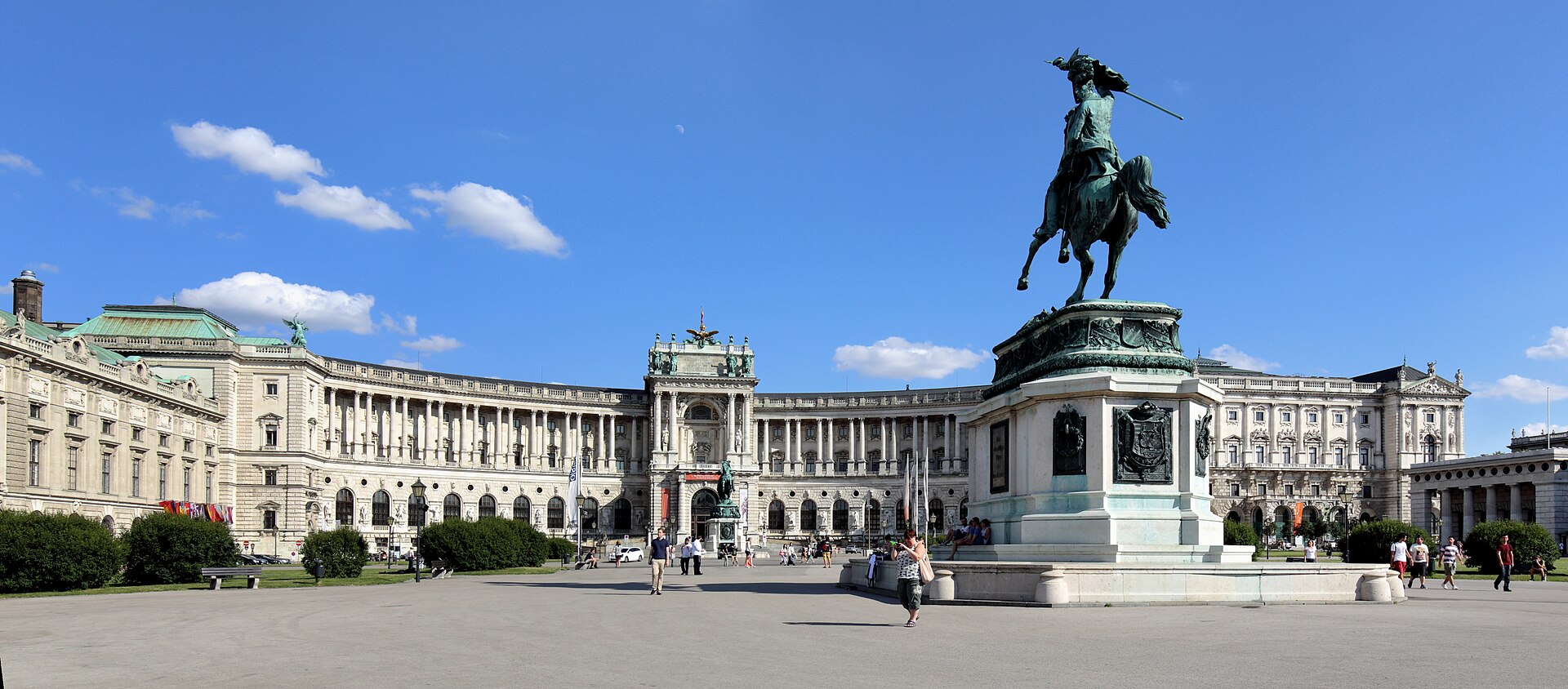
The Hofburg complex anchors the Ringstrasse and houses several of Vienna’s top museums.
Getting Around Vienna
Vienna’s U-Bahn, tram, and bus network is fast, clean, and easy for first-time visitors to navigate. A 72-hour Vienna City Card covers unlimited public transit and discounts at major sights, and it typically pays for itself within a day or two of active sightseeing.
Practical Tips for Visiting Vienna
- Book Schönbrunn Palace tickets online in advance to skip the ticket-counter line.
- Standing-room tickets for the State Opera go on sale about 80 minutes before curtain, right at the venue.
- Many museums close on Mondays, so plan gallery visits for other days of the week.
- Tap water in Vienna is safe to drink and often sourced from Alpine springs.
Final Thoughts on Planning a Vienna Trip
This Vienna travel guide covers the essentials, but the city’s real appeal is how easily its highlights fit into an unhurried pace. Between the palaces, the museums, and the coffee house culture that gives Vienna its distinct rhythm, a first trip rarely feels rushed even on a modest timeline. For travelers building out a broader Central European itinerary, Vienna pairs naturally with nearby capitals like Budapest and Prague, both reachable by train in a matter of hours. Travelers who prefer their history with a coastal view might also like our guide to lighthouse hotels, another niche category of historic stays.
For the latest on opening hours and special exhibitions, the Vienna Tourist Board keeps an updated events calendar, and Condé Nast Traveler regularly covers the city’s evolving hotel and dining scene.
Related Articles
Seville Travel Guide: Best Time to Visit and Where to Stay
This Seville travel guide covers the best time to visit, where to stay between…
Seville Travel Guide: Best Time to Visit and Where to Stay
This Seville travel guide covers the best time to visit, the sights worth building…
Budapest Travel Guide: Best Time to Visit and Where to Stay
This Budapest travel guide covers the best time to visit, where to stay between…