Seville Travel Guide: Best Time to Visit and Where to Stay

Orange blossom drifts through the streets, flamenco spills out of tiled courtyards, and the Guadalquivir River cuts a slow path past centuries of Moorish and Christian architecture. This Seville travel guide is built around one goal: helping you time your trip well and pick a base that actually suits how you want to see the city, whether that means waking up steps from the cathedral bells or falling asleep to guitar music across the river in Triana.
Seville rewards travelers who plan around its climate rather than against it. Get the timing right, and Andalusia’s capital feels unhurried and golden. Get it wrong, and the same streets can feel like a furnace by early afternoon.
Best Time to Visit: The Core of Any Seville Travel Guide
Every Seville travel guide worth reading starts with the same warning: this city runs hot, and knowing when to go matters more here than in most of Europe.
Spring and Fall Sweet Spot
Spring, from March through May, is widely considered the best stretch of the year. Daytime highs typically sit between 20°C and 28°C, orange trees are in bloom, and the city’s biggest festivals land in this window. Semana Santa (Holy Week) fills the streets with elaborate processions, and Feria de Abril follows a few weeks later with flamenco dresses, sherry, and all-night dancing in the Los Remedios fairground. Book accommodation early if your trip overlaps with either event, since rooms fill up months ahead and rates climb accordingly.
October offers a quieter version of the same appeal. Temperatures ease back into the low-to-mid 20s, the summer crowds thin out, and outdoor dining stays comfortable well into the evening.
Summer Heat and Winter Calm
Summer in Seville is not for the faint of heart. July and August regularly push past 38°C, and locals adapt by shifting their schedules: shops shutter in the early afternoon, terraces fill up again after 9 p.m., and siesta becomes less a stereotype than a survival strategy. If you do visit in summer, plan sightseeing for early morning and evening, and treat the hours between 2 and 6 p.m. as pool or shade time.
Winter, by contrast, is mild and underrated. December through February brings cooler days in the 10°C to 18°C range, thinner crowds at the Alcázar and cathedral, and noticeably lower hotel rates. It is not beach weather, but it is excellent for walking the city without competing for photo spots.
Top Things to Do in Seville
Seville’s historic core is compact enough to cover on foot, which makes it easy to string together its major sights in a day or two.
The Alcázar and Cathedral
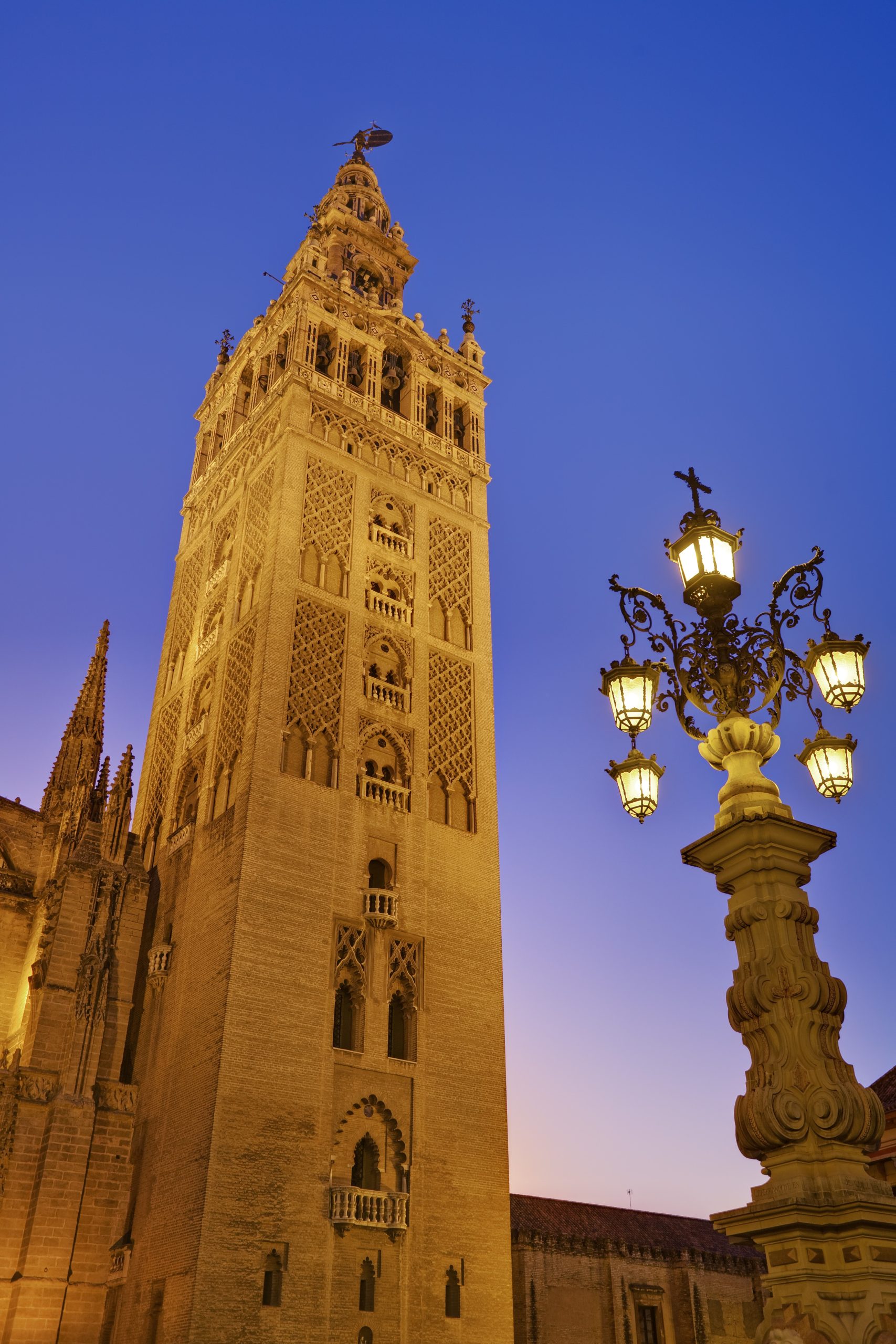
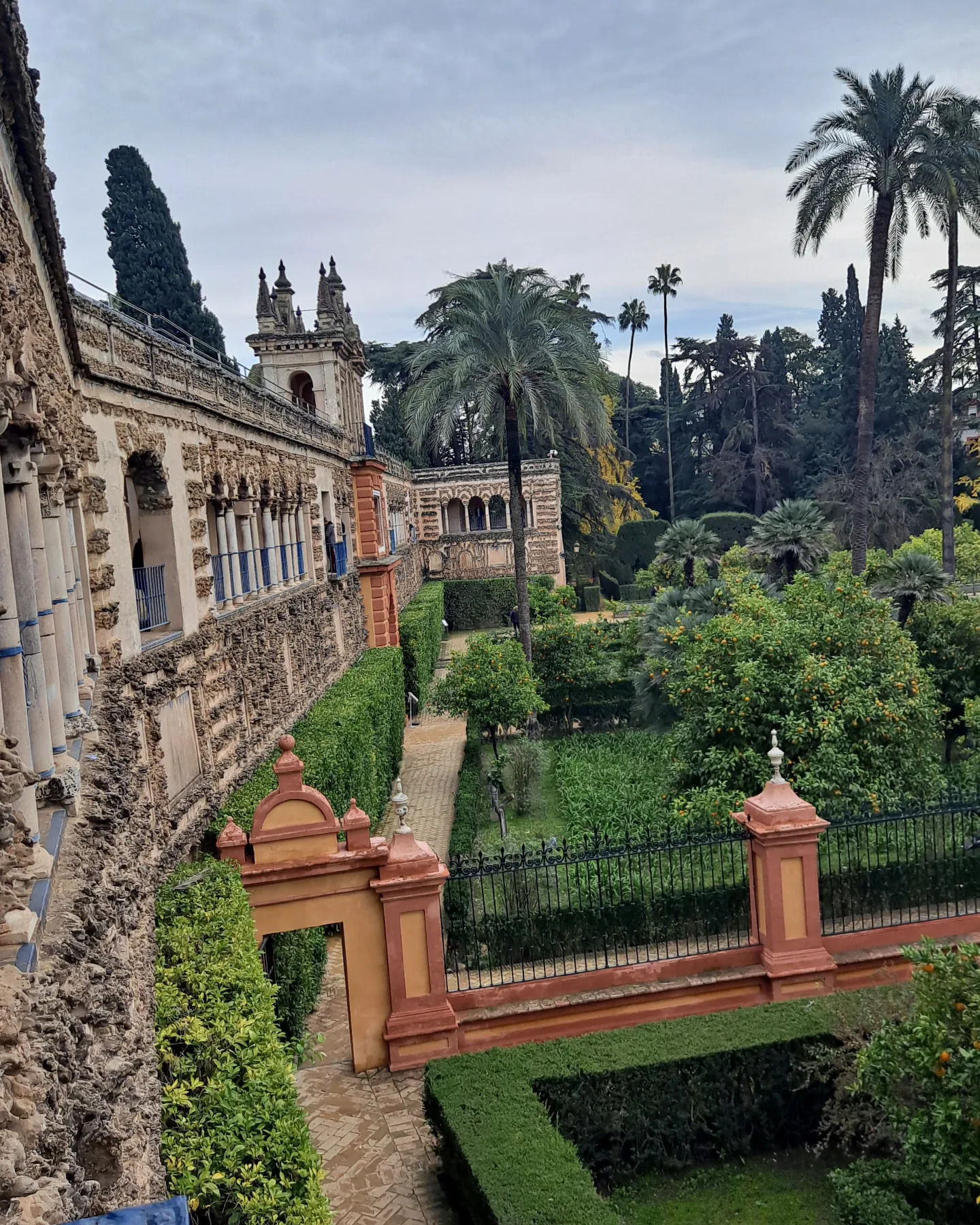
The Real Alcázar is a working royal palace and a UNESCO World Heritage Site, with Mudéjar tilework, courtyards, and gardens that took centuries to build out. Book timed-entry tickets in advance, since walk-up lines stretch long by mid-morning. A short walk away, Seville Cathedral is the largest Gothic cathedral in the world, and its bell tower, La Giralda, was originally a 12th-century Almohad minaret before being converted after the Reconquista. Climbing the ramps inside the tower rewards you with wide rooftop views over the old town.
Plaza de España and María Luisa Park
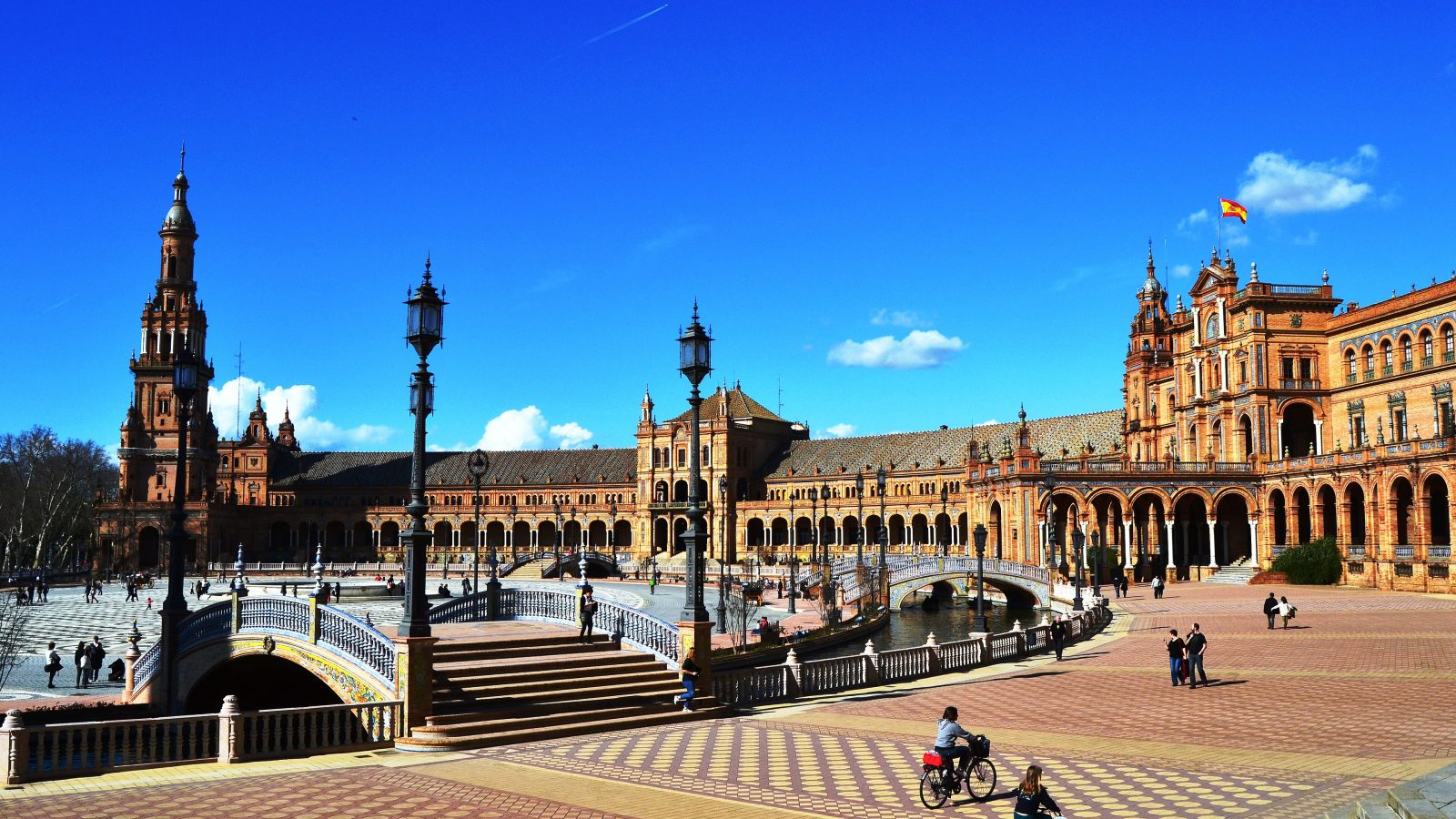
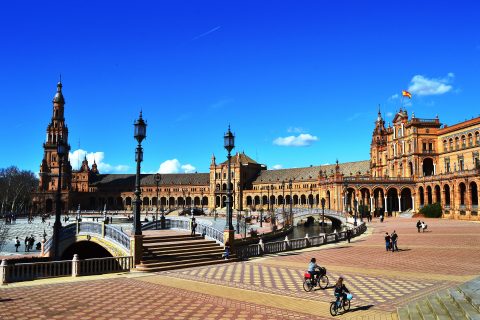
Built for the 1929 Ibero-American Exposition, Plaza de España is a semicircular brick-and-tile complex with a canal you can cross by rowboat and painted alcoves representing each Spanish province. It sits inside María Luisa Park, a shaded, fountain-dotted green space that’s an easy antidote to the midday sun.
Flamenco in Triana
Triana, across the river from the historic center, is considered one of flamenco’s spiritual homes. Smaller, less touristy tablaos here tend to feel more intimate than the venues clustered near the cathedral, and the neighborhood’s ceramic workshops and riverside bars make it worth an afternoon on their own.
Where to Stay in Seville
Picking a neighborhood matters as much as picking a hotel category. Here’s how the main options break down.
Santa Cruz for First-Timers
The former Jewish quarter, Santa Cruz, sits directly beside the Alcázar and cathedral, with narrow lanes, whitewashed courtyards, and orange-tree-lined squares. It’s the most walkable base for a first visit, though it’s also the most touristy and can feel busy at midday.
Triana for Local Life
Staying in Triana trades a few minutes of extra walking for a noticeably more local feel. Expect ceramic studios, tapas bars filled with residents rather than tour groups, and river views back toward the old town’s skyline.
El Arenal and Centro
El Arenal, near the bullring and river, puts you close to both the historic core and Triana via a short bridge crossing, with a slightly more residential pace than Santa Cruz. Centro, around Calle Sierpes, is the city’s main shopping artery and works well if you want restaurants, tapas bars, and transport links within easy reach.
Practical Tips for Visiting Seville
- Reserve Alcázar and cathedral tickets online at least a few days ahead, especially in spring.
- Carry water and a hat outside the shoulder seasons; shade can be sparse at midday.
- Many smaller shops and some restaurants close for a few hours in early afternoon, then reopen into the evening.
- The historic center is largely pedestrian-friendly, so comfortable shoes matter more than a rental car.
- If your trip lands during Semana Santa or Feria de Abril, book accommodation as far ahead as possible.
Final Thoughts
The best Seville travel guide advice boils down to two decisions: pick a season that matches your heat tolerance, and choose a neighborhood that matches your pace. Aim for spring or fall if your dates are flexible, base yourself in Santa Cruz for convenience or Triana for a more local rhythm, and leave room in the itinerary for slow tapas crawls and unplanned detours down side streets. That’s when Seville tends to leave the strongest impression.
Related Articles
Vienna Travel Guide: Best Time to Visit and Where to Stay
This Vienna travel guide covers the best time to visit, where to stay between…
Seville Travel Guide: Best Time to Visit and Where to Stay
This Seville travel guide covers the best time to visit, where to stay between…

Budapest Travel Guide: Best Time to Visit and Where to Stay
This Budapest travel guide covers the best time to visit, where to stay between…