Best Boutique Hotels in Lisbon for a Design-First Stay

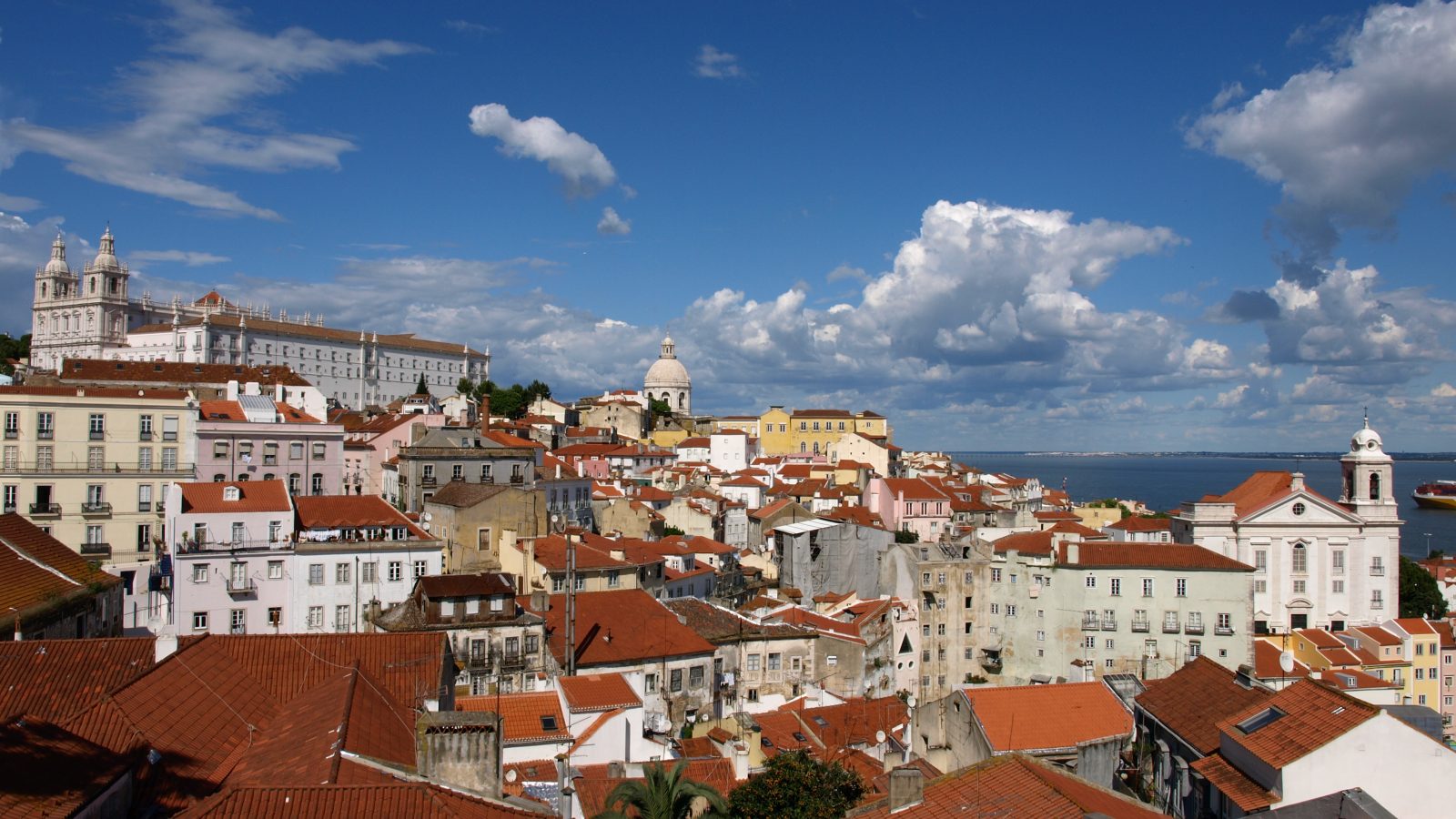
Lisbon has quietly become one of Europe’s most rewarding cities for a design-led hotel stay. Long overshadowed by Paris and Barcelona on the boutique hotel circuit, the Portuguese capital now has a growing list of small, independently minded properties that swap generic corridors for hand-painted azulejo tiles, reclaimed wood, and rooftop views over the Tagus River. If you’re planning a trip and want something with more character than a global chain, the best boutique hotels in Lisbon are concentrated in a handful of walkable, atmospheric neighborhoods.
This guide breaks down where to look, what actually separates a good boutique stay from a merely small one, and how to book smart so you don’t end up paying design-hotel prices for a room with none of the charm.
Why Lisbon’s Boutique Hotel Scene Is Booming
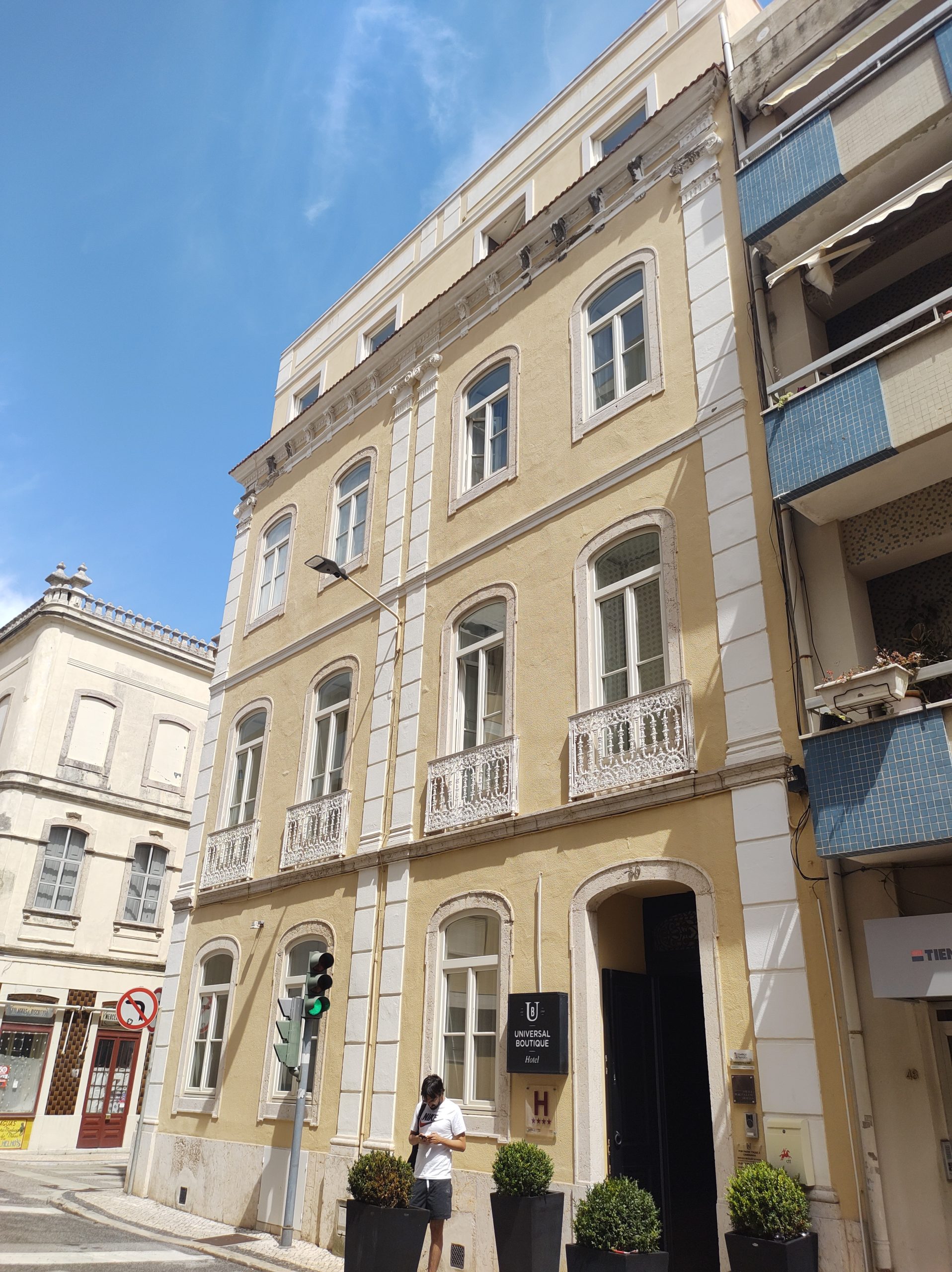
Lisbon’s building stock is part of the appeal. Many of the city’s boutique hotels occupy 18th- and 19th-century townhouses that survived the 1755 earthquake or were rebuilt shortly after, giving owners tall ceilings, ornate stairwells, and tiled facades to work with instead of a blank slate. Add a mild climate, a strong café culture, and airfares that remain competitive with other Western European capitals, and it’s easy to see why independent hoteliers have poured investment into the city over the past decade.
Portugal’s tourism authority has also leaned into this shift, promoting heritage restoration projects and smaller-scale hospitality as part of the country’s broader push to spread visitors beyond the most crowded landmarks. That policy support, combined with steady demand from travelers seeking something more personal than a big-brand hotel, has made Lisbon a genuine boutique hotel destination rather than a budget stopover.
The Best Neighborhoods for Boutique Hotels in Lisbon
Where you stay shapes the trip almost as much as the hotel itself. Lisbon is a city of hills and distinct micro-neighborhoods, so it’s worth matching the district to the kind of stay you want.
Alfama: Fado, Tiles, and Terrace Views
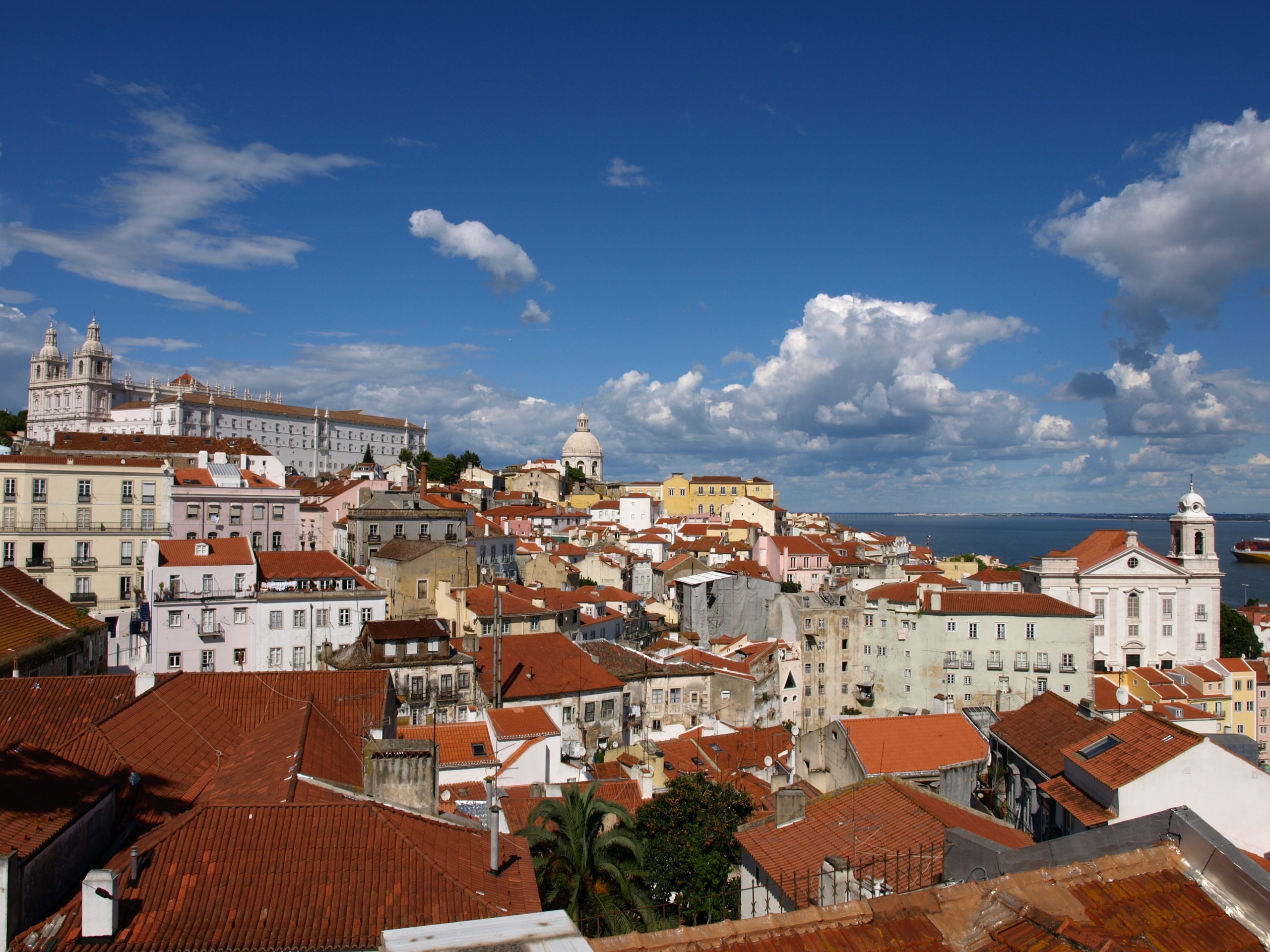
Alfama is Lisbon’s oldest quarter, a maze of narrow lanes climbing toward the São Jorge Castle. Boutique hotels here tend to be small, sometimes only six or eight rooms, tucked into converted townhouses with steep staircases and no elevator — part of the charm, if you’re prepared for it. Expect fado music drifting from tavernas at night and some of the best miradouro (viewpoint) access in the city. It’s the most atmospheric base for travelers who want to feel like they’ve stepped into old Lisbon the moment they walk out the door.
Chiado and Bairro Alto: Design and Nightlife
For a more polished, design-forward experience, Chiado is the strongest pick. This is where you’ll find hotels leaning into contemporary Portuguese design — think cork furniture, ceramic tile murals, and locally roasted coffee in the lobby — alongside easy access to shopping streets, bookshops, and theaters. Neighboring Bairro Alto adds nightlife energy after dark, with restaurants and bars that stay lively well past midnight.
Príncipe Real: Quiet Elegance
Príncipe Real has emerged as Lisbon’s most fashionable residential-feeling district, home to independent boutiques, leafy squares, and a slower pace than the tourist core. Boutique hotels here often occupy former private mansions, with interiors that favor botanical gardens, reading rooms, and small plunge pools over big amenity lists. It suits travelers who want walkable access to the center without the crowds.
What Makes a Lisbon Boutique Hotel Stand Out
Not every small hotel deserves the boutique label. A handful of details tend to separate the properties worth booking from the ones that are simply undersized versions of a standard hotel:
- A real design point of view. The strongest boutique hotels in Lisbon commit to a specific aesthetic, whether that’s mid-century Portuguese modernism or a stripped-back, materials-first look built around cork, marble, and local stone.
- Rooftop or terrace access. Given Lisbon’s hills and river views, a hotel without any outdoor vantage point is missing one of the city’s biggest natural assets.
- A kitchen that reflects the neighborhood. Look for breakfast and bar menus built around Portuguese producers rather than a generic continental spread.
- Staff who know the block, not just the brand standard. Because these hotels are small and often independently owned, the front desk tends to double as a genuinely useful concierge for the immediate neighborhood.
Guest reviews on independent booking platforms consistently flag these same details, which is a useful sanity check when you’re comparing two similarly priced properties.
Booking Tips for Boutique Hotels in Lisbon
A few practical points can save both money and disappointment:
- Book directly with the hotel when possible. Many small Lisbon properties offer perks — a bottle of vinho verde, a late checkout, a room upgrade — for direct bookings that don’t show up through third-party sites.
- Ask about stairs before you commit. Historic buildings without elevators are common, and a top-floor room with a view often comes with three or four flights of narrow stairs.
- Shoulder season (April–May and September–October) offers the best balance of good weather and lower rates, since July and August push prices to their yearly peak.
- If quiet matters, request a room facing away from the street. Lisbon’s tram lines and late-night bars can carry sound further than expected in narrow, tile-lined lanes.

A Practical Takeaway for Planning Your Stay
If this is a first visit, Alfama or Chiado are the safest bases: both put you within a 15-minute walk of the main sights while still delivering the neighborhood character that makes a boutique stay worth the extra cost over a chain hotel. Returning visitors or anyone craving a slower pace should look toward Príncipe Real. Whichever district you choose, book at least six to eight weeks ahead for summer travel — the best boutique hotels in Lisbon tend to have single-digit room counts, and they sell out well before the big international chains do.
For destination inspiration beyond Lisbon, Travel + Leisure’s Portugal travel guide is a useful companion for planning day trips to Sintra or the Algarve, and the official Visit Lisboa tourism site has up-to-date event listings that can help you time a visit around a local festival.
Conclusion
The best boutique hotels in Lisbon reward travelers who are willing to climb a few extra stairs for a rooftop view or a tiled stairwell with real history behind it. Between Alfama’s old-world charm, Chiado’s design polish, and Príncipe Real’s quiet elegance, there’s a neighborhood — and a hotel — suited to almost every kind of trip. Pick the district first, book early, and the character of the stay tends to take care of itself.
Related Reads
Related Articles

Lighthouse Hotels: Where to Sleep at the Edge of the Sea
Lighthouse hotels turn decommissioned beacons and keeper's cottages into some of the coast's most…

Vineyard Hotels: Where to Stay Among the Vines
Vineyard hotels turn working wine estates into overnight stays, from Tuscany's Brunello country to…

Riad Hotels in Marrakech: Where to Stay in the Medina
Riad hotels in Marrakech turn centuries-old courtyard houses into some of the medina's most…