Best Wine Regions in Europe for a Tasting Trip

Europe holds most of the world’s great wine names, and unlike a bottle bought at home, visiting the source adds a layer that no label can. The best wine regions in Europe for a tasting trip pair serious wine with equally serious scenery: terraced river valleys, cypress-lined hill towns, and centuries-old cellars that still age wine the way they did before the countries around them existed in their current form. This guide covers four of the strongest options for a first European wine trip, along with practical advice on timing and what makes each region distinct.
Four of the Best Wine Regions in Europe
The Douro Valley, Portugal
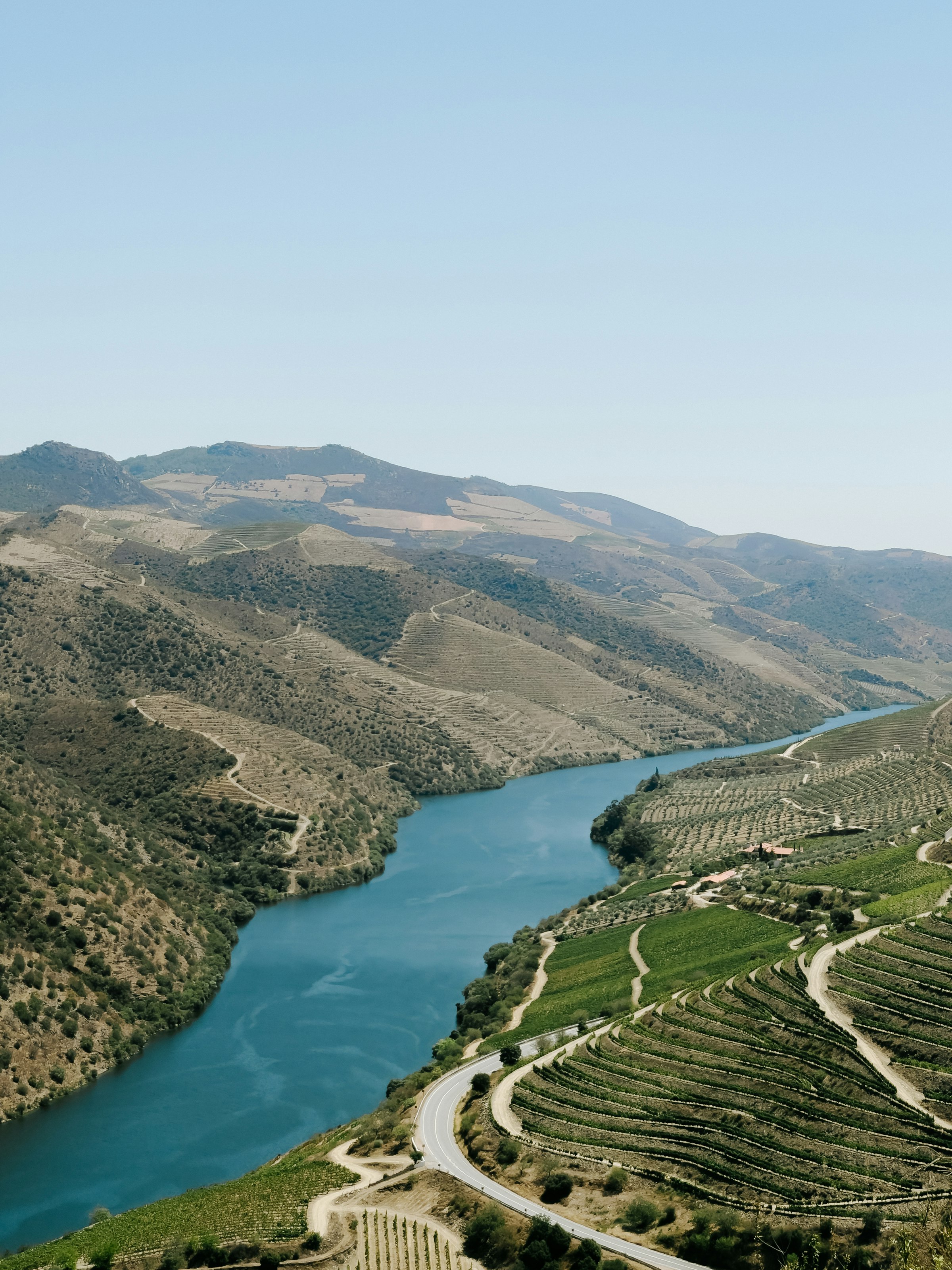
The Douro Valley, just inland from Porto, is the oldest demarcated wine region in the world, officially regulated since 1756. Its terraced, schist-hillside vineyards climbing above the Douro River form one of the most dramatic wine landscapes anywhere in Europe, and the valley is both a UNESCO World Heritage Site and the birthplace of Port wine. Beyond fortified Port, the region has become known in its own right for increasingly serious unfortified reds and whites made from old vines.
The most scenic way to experience the Douro is by boat, with river cruises operating between Porto and the Spanish border, though driving the N222 river road is considered one of Europe’s most beautiful drives. Family-run quintas across the valley open their cellars for tastings and offer accommodation in converted manor houses, making an overnight stay easy to arrange.
Tuscany, Italy
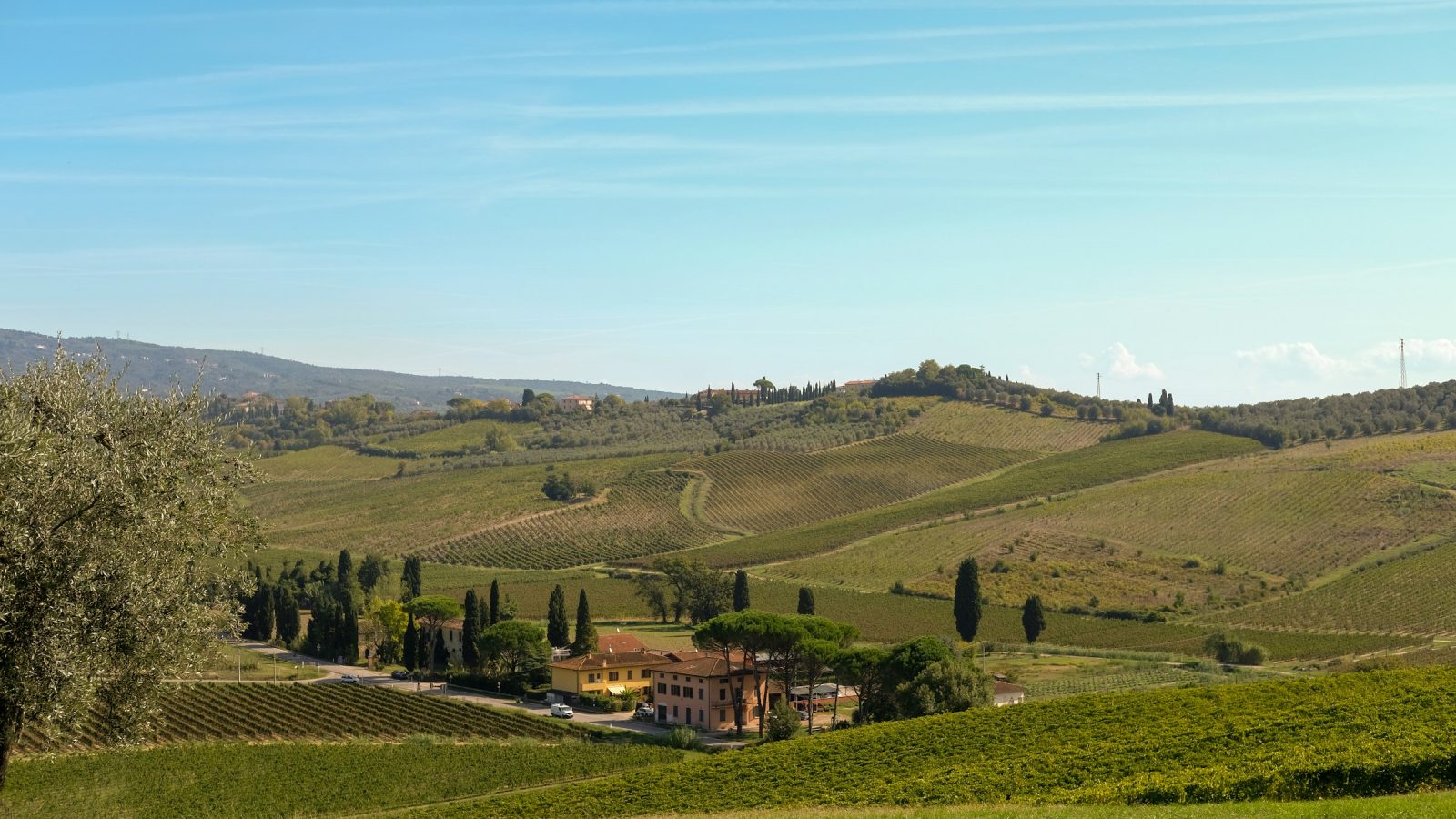
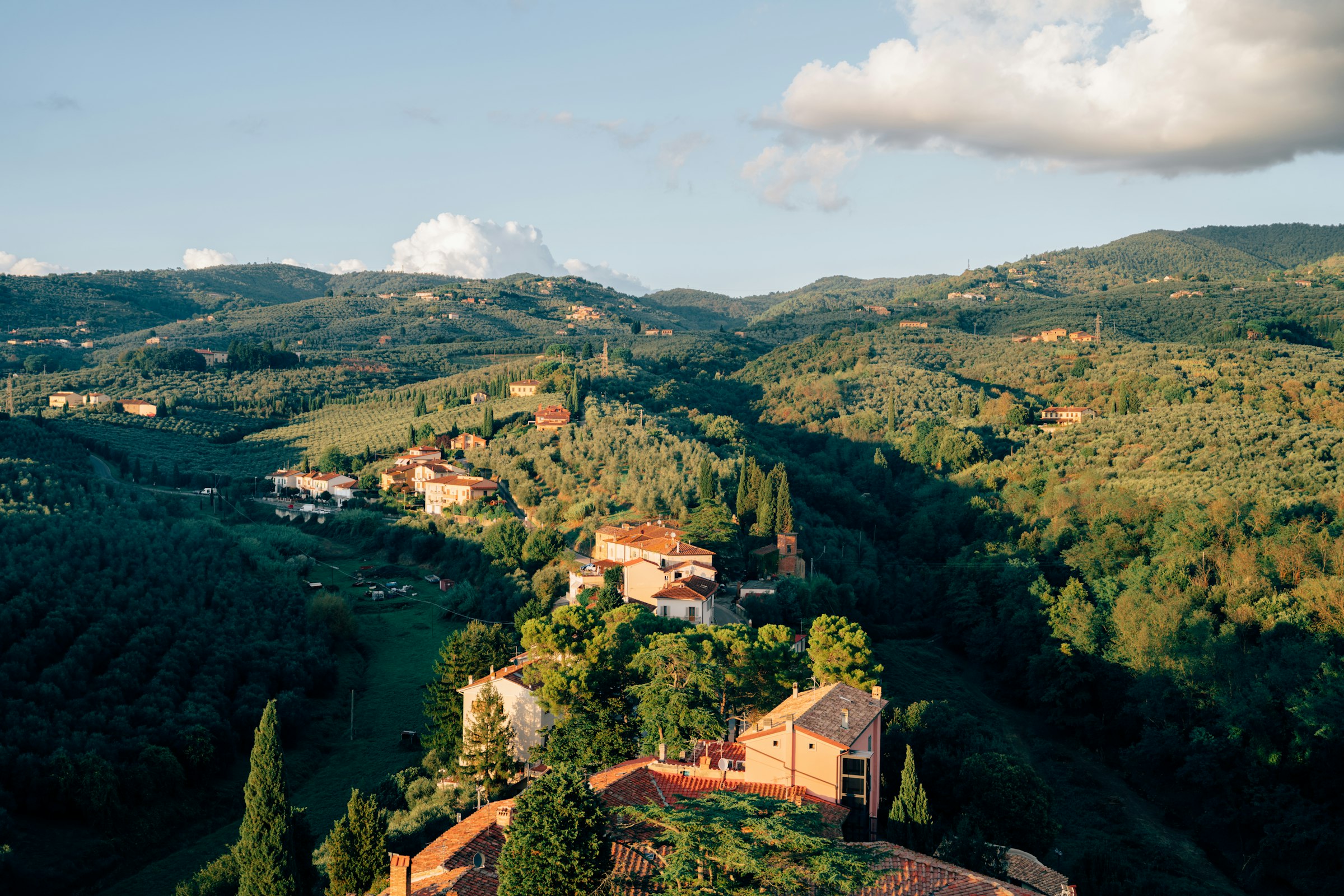
Tuscany’s wine culture is inseparable from its landscape. The Sangiovese vines of Chianti Classico grow between cypress-lined roads and medieval hill towns that have shaped how the world pictures Italian wine travel for generations. Drinking a glass of Chianti Classico at a farmhouse table in the hills between Florence and Siena, made from grapes grown in the vineyard just outside the window, is close to the archetypal Italian wine experience.
Montalcino, the hill town behind Brunello di Montalcino, arguably Italy’s greatest red wine, is worth a dedicated stop for the sheer concentration of serious producers within easy reach of one another. Along the Tuscan coast near Bolgheri, the “Super Tuscan” wines developed in the 1970s, including Sassicaia and Ornellaia, offer estate visits by appointment for travelers who want to go beyond Chianti.
Best for
Classic red wines, postcard-worthy vineyard landscapes, and pairing wine with genuinely excellent food; a full-day trip from Florence covering Chianti Classico with lunch is a reliable way to see the region without renting a car.
Rioja, Spain
East of Bilbao, Rioja combines centuries-old winemaking tradition with some genuinely striking modern architecture. The region is best known for Tempranillo-dominant reds, often blended with Garnacha, Mazuelo, and Graciano, and classified by aging into Crianza, Reserva, and Gran Reserva tiers. Rioja’s dry, sun-baked plain sits in the shadow of the Sierra de Cantabria mountains, which block harsh Atlantic weather and create a near-ideal microclimate for the Tempranillo grape.
Bodegas Ysios and Marqués de Riscal are two of the region’s architectural landmarks, standing alongside 19th-century cellars in towns like Haro and Logroño. Tasting rooms here typically pair wine with tapas, and Rioja combines naturally with a food-focused detour to nearby San Sebastián.
Best for
Aging-worthy reds, food pairings, and travelers who want a mix of tradition and contemporary design in the same afternoon.
A Fourth Option: The Mosel Valley, Germany
Travelers who prefer white wine over red should consider adding the Mosel Valley to their shortlist. Running between Trier and Koblenz, the Mosel has some of the steepest vineyard slopes in the world, planted almost entirely with Riesling. The slate soils here produce wines with a distinctive minerality that ranges from bone dry to lusciously sweet late-harvest styles, and the river itself, with its dramatic bends and hilltop castle ruins, makes for some of the most scenic wine touring anywhere on this list. A vineyard tour by covered wagon or river cruise between Bernkastel and Cochem is a relaxed way to see the region’s most celebrated sites, including the Bernkasteler Doctor and Wehlener Sonnenuhr vineyards.
Matching a Region to Your Travel Style
With four strong options and limited vacation time, the choice usually comes down to travel style rather than which region makes the “best” wine.
- The Douro rewards slow travelers who want scenery and authenticity, with river cruises and manor-house stays built into the region’s rhythm.
- Tuscany suits culture lovers who want to combine wine with Renaissance towns, art, and some of Europe’s best regional cooking.
- Rioja is a strong choice for food-focused travelers who want tapas-style pairings and a compact, easy-to-navigate wine region.
When to Plan Your Trip
Harvest season, September and October across most of these regions, is the most atmospheric time to visit, but also the most crowded and expensive. Shoulder season, late April through early June, offers access to the same cellars and tastings in calmer, less expensive conditions. Summer can run hot, particularly in Rioja and inland Tuscany, where temperatures regularly exceed 100°F (38°C) in July and August.
Most wine regions are best explored by car, since the density of interesting small producers across a single appellation makes public transport impractical for serious tasting days. Hiring a driver for at least one day is worth considering in regions where the day’s wine consumption makes self-driving inadvisable.
If the Douro Valley has you thinking about Portugal more broadly, pair this trip with our 48 hours in Porto itinerary. Planning wine country as a honeymoon stop? See the best overwater bungalow resorts for a 2026 honeymoon, or if Africa is next on the list, our complete safari packing list has you covered.
The Takeaway
Among Europe’s wine regions, the Douro Valley, Tuscany, and Rioja each offer a genuinely different kind of trip: dramatic river scenery, Renaissance hill towns, or food-forward tapas culture, all built around exceptional wine. Book cellar tours at well-known producers weeks in advance, plan around shoulder season if crowds and heat are a concern, and treat the food in each region as seriously as the wine, since the two were never meant to be separated in the first place.
Related Articles
Where to Eat in Rome: Trattorias, Markets, and Roman Classics
A neighborhood guide to where to eat in Rome, from the Campo de' Fiori…
Where to Eat in Naples: Pizza, Markets, and Street Food
Where to eat in Naples, from the wallet pizza sold on Spaccanapoli to the…
Where to Eat in Marrakech: Souks, Stalls, and Tagine
Where to eat in Marrakech, from Jemaa el-Fna's after-dark food stalls to the spice…