48 Hours in Porto: The Perfect Weekend Itinerary

Porto tends to live in Lisbon’s shadow on a first-time Portugal itinerary, but locals will tell you it is the country’s real soul. 48 hours in Porto is enough time to understand why: the granite city on the Douro River gave Portugal its name, its port wine cellars still age barrels the way they have for three centuries, and its azulejo-tiled streets reward anyone willing to climb a few hills. This itinerary covers a full two-day visit, from the historic center to the wine lodges across the river, without trying to cram in more than the city can comfortably deliver.
Planning Your 48 Hours in Porto
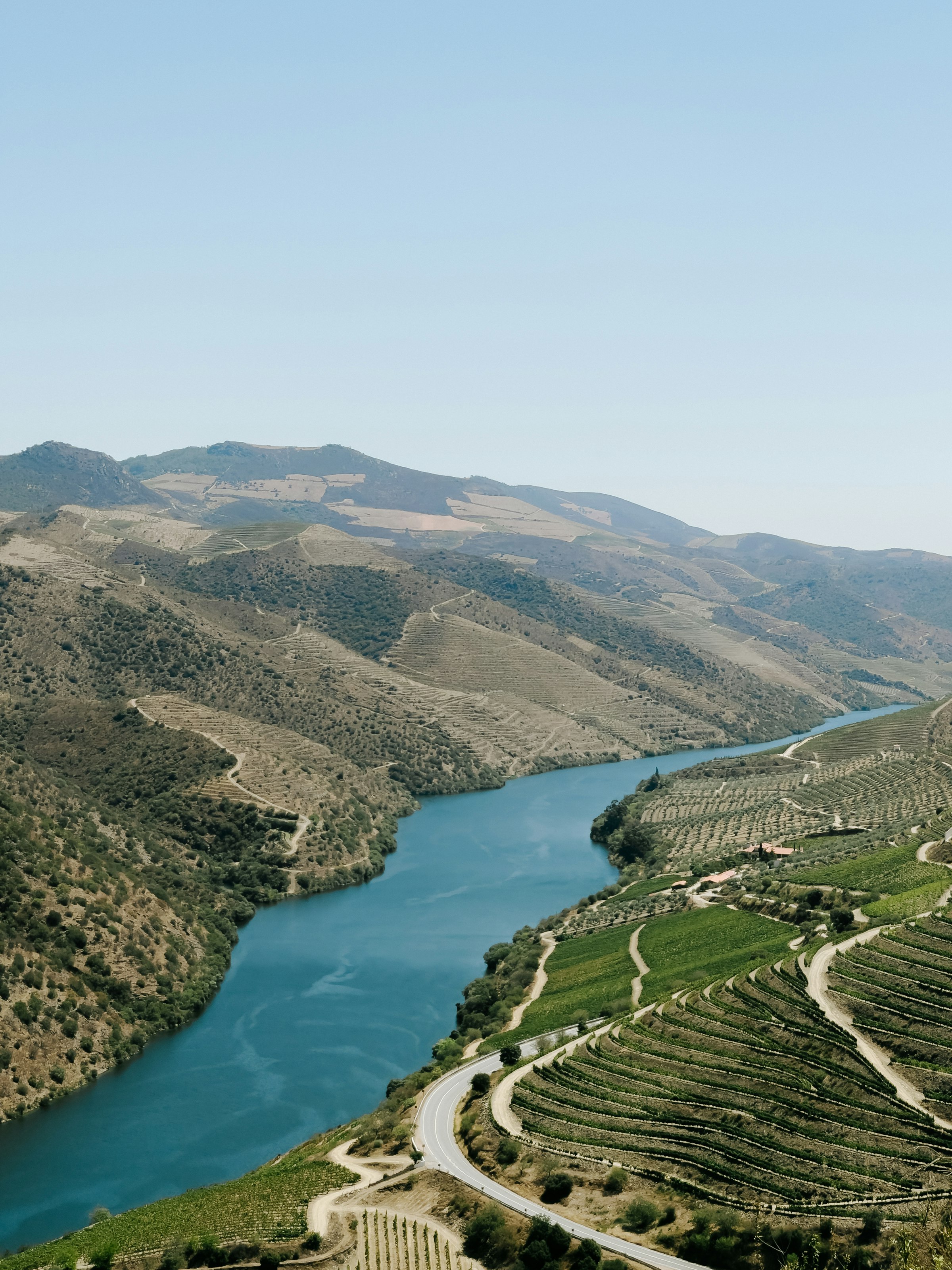
The shape of a good two-day visit is simple. One day belongs to Porto’s historic core, a UNESCO-listed tangle of cobbled lanes and Baroque churches climbing up from the river. The other belongs to the southern bank in Vila Nova de Gaia, home to the port wine lodges, followed by an afternoon at the coast. Resist the temptation to add a Douro Valley day trip on a 48-hour visit; Porto itself will fill every hour you give it.
Base yourself in Ribeira for riverside atmosphere and easy access to restaurants and fado houses, or in Baixa/Aliados for a central location near the main shopping streets. Both put you within walking distance of everything on this itinerary.
Day One: The Historic Center
Morning: São Bento to the Clérigos Tower
Start at São Bento railway station, where roughly 20,000 hand-painted azulejo tiles depict scenes from Portuguese history along the main hall. From there it is a short walk to Porto’s Cathedral (Sé do Porto), construction of which began in the 12th century, and on to Torre dos Clérigos, the 18th-century bell tower that has become one of the city’s defining landmarks. Climbing the tower rewards you with a panoramic view over the terracotta rooftops that stretches all the way to the river.
Afternoon: Livraria Lello and the Ribeira Waterfront
Book a timed ticket in advance for Livraria Lello, the neo-Gothic bookshop whose carved wooden staircase draws long queues even outside peak season. Afterward, walk downhill through Rua das Flores toward Ribeira, the waterfront district where mismatched, colorful houses line the Douro. This is the most photographed corner of Porto, and for good reason: sit at a riverside café, order a glass of vinho verde, and watch the traditional rabelo boats drift past.
Evening: Francesinha and Fado
No visit is complete without trying a francesinha, Porto’s signature sandwich of cured meats and melted cheese drowned in a spiced, beer-based tomato sauce. A Regaleira is widely credited as the dish’s birthplace. After dinner, look for a small fado house in Ribeira for an evening of Portugal’s traditional, melancholic music.
Day Two: Port Wine and the Coast
Morning: Crossing to Vila Nova de Gaia
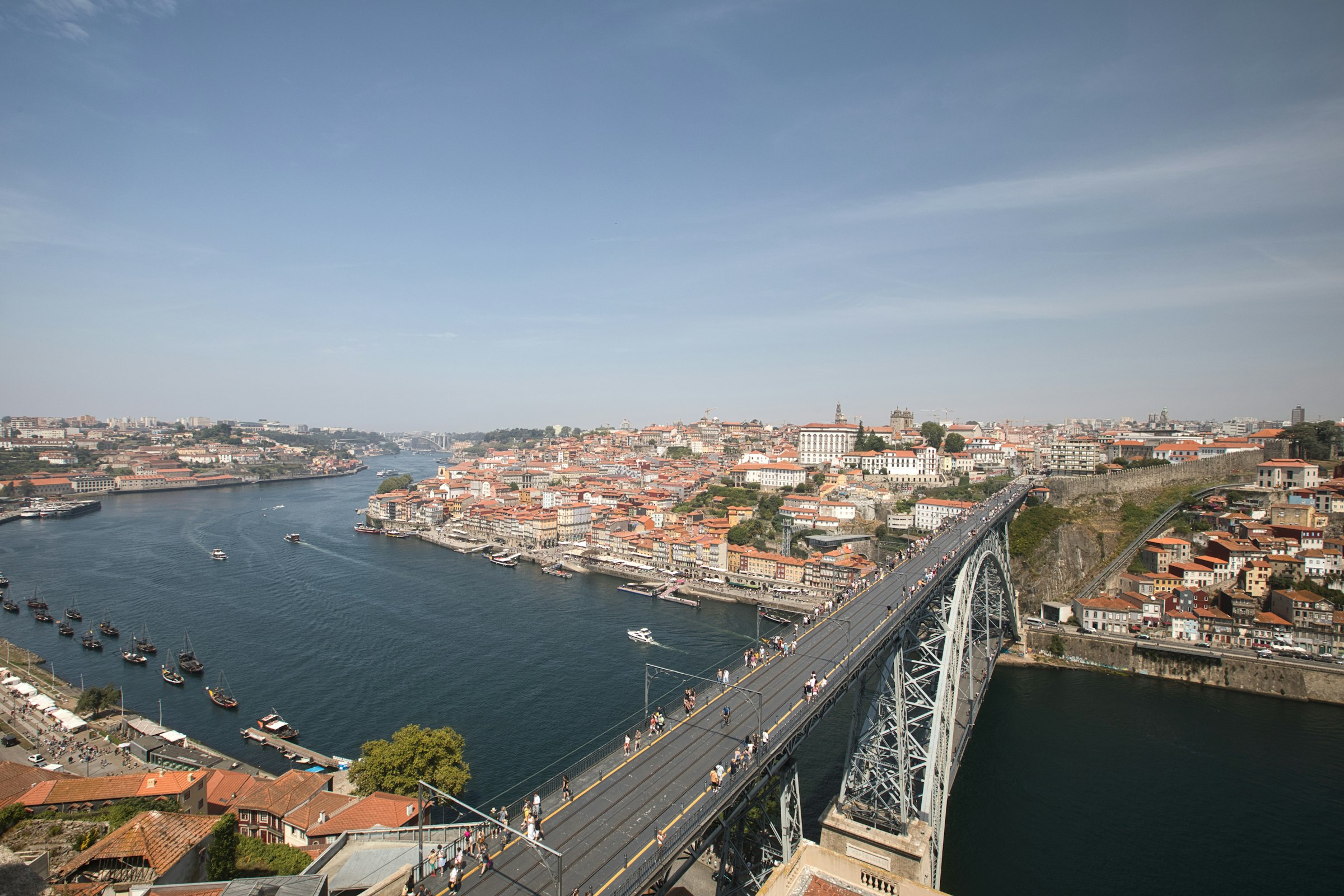
Cross the iconic Dom Luís I Bridge, a two-level iron structure completed in 1886, into Vila Nova de Gaia, where port wine has been aged in oak barrels for centuries. Book a cellar tour and tasting at one of the historic port houses; Taylor’s, Cálem, and Sandeman are all well set up for visitors and typically include two complimentary glasses at the end of a roughly 90-minute self-guided or led tour.
Afternoon: Jardim do Morro and the Coast
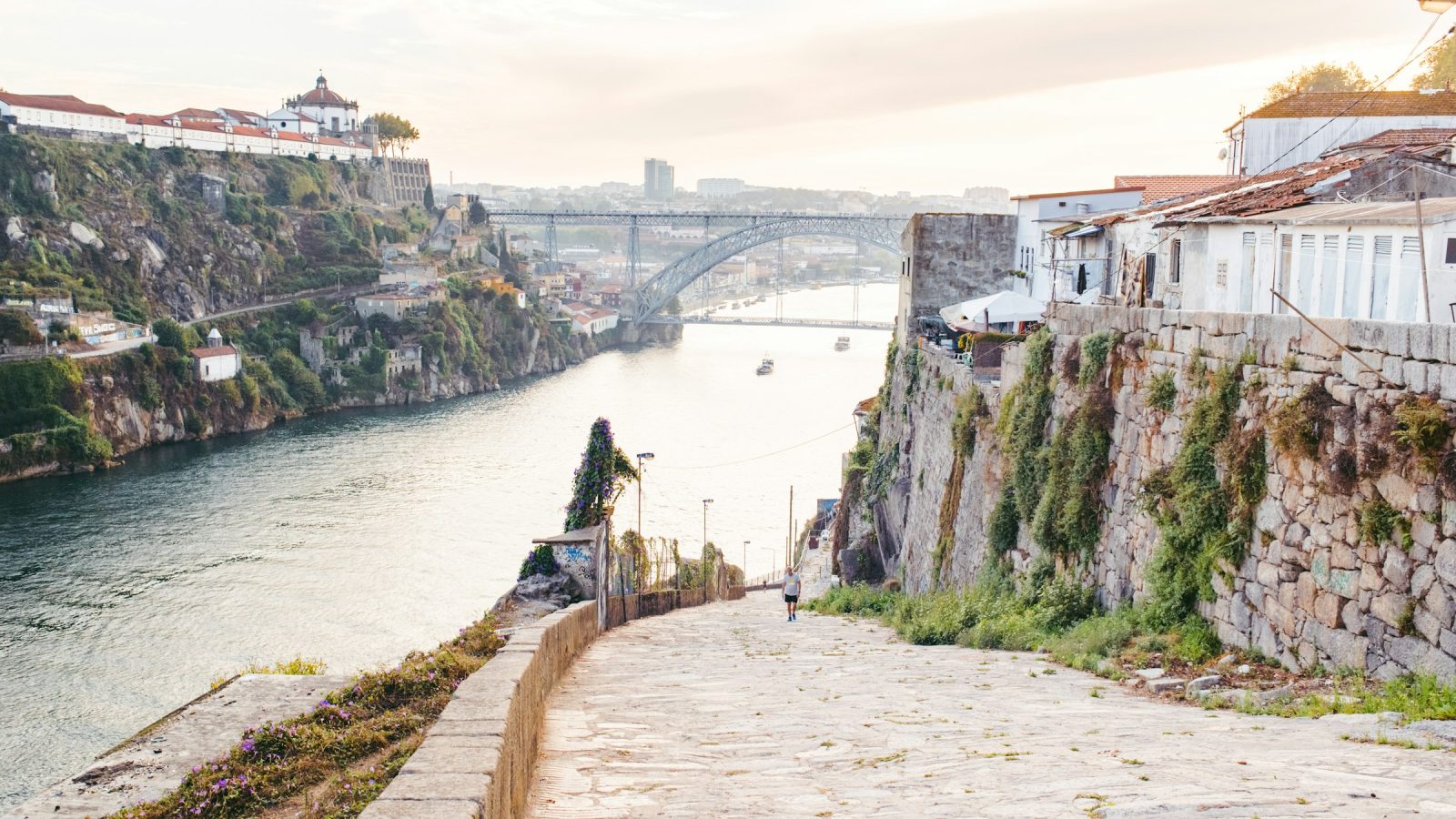
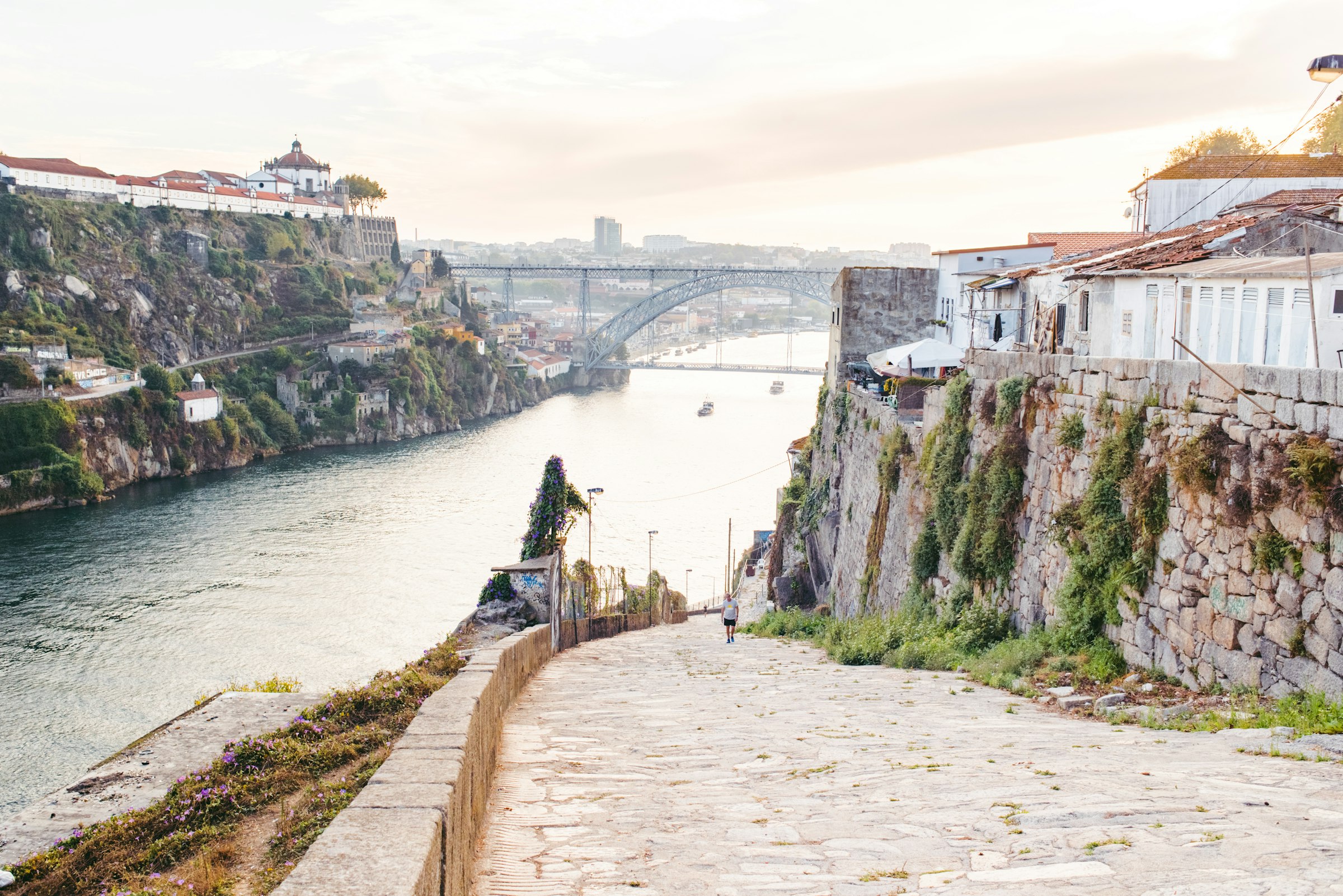
Climb to Jardim do Morro, a hilltop garden in Gaia that delivers one of Porto’s best views back across the river to the historic center. From there, take the tram or a short taxi ride out to Foz, where the Douro meets the Atlantic, and walk along the Jardim do Palácio de Cristal gardens or the Pérgola da Foz promenade for sea views and a change of pace from the old town’s hills.
Evening: A Final Douro Sunset
Head back to Serra do Pilar or Jardim do Morro for sunset, when the city glows across the water and the bridge lights up against the fading light. For a memorable final dinner, consider booking well ahead at a restaurant overlooking the Douro in Vila Nova de Gaia, where Portugal’s larder of cured fish, aged cheeses, and slow-cooked meats pairs naturally with a glass from the cellar below.
Getting To and Around Porto
Porto’s Francisco Sá Carneiro Airport sits about 11 kilometers north of the city center and connects directly to dozens of European cities, plus a growing number of transatlantic routes. The metro’s purple line runs straight from the airport into downtown Porto in roughly 35 to 45 minutes, making a taxi or rideshare unnecessary for most visitors carrying reasonably light luggage.
Within the city, walking covers almost everything on this itinerary, though Porto’s hills are real; a funicular near Batalha and a handful of short tram lines offer a break for anyone whose legs are tired from a day of climbing. The Andante card, mentioned below, covers the metro, buses, and funicular on a single reloadable pass, which is worth picking up on arrival if you plan to use public transport more than once or twice.
Practical Tips for a Two-Day Porto Trip
- Porto is hilly and best explored on foot; wear comfortable shoes and expect to climb more steps than you anticipate.
- The Andante transport card covers the metro, buses, and funicular if your feet need a break.
- Mercado do Bolhão, the city’s restored historic market, is a good stop for a quick breakfast or coffee between sights.
- Book port cellar tours and Livraria Lello tickets in advance during summer, when both sell out by midday.
Pairing Porto with a longer wine-country trip? Read our guide to the best wine regions in Europe for a tasting trip, or if you’re honeymooning afterward, see the best overwater bungalow resorts for a 2026 honeymoon.
The Takeaway
48 hours in Porto is tight, but it is enough to see why this city has become one of Portugal’s most rewarding weekend trips. Spend one day walking the historic center from São Bento to Ribeira, and the other crossing into Vila Nova de Gaia for port wine and river views, and you will leave with a genuine sense of the city, no Douro Valley day trip required.