Prague Travel Guide: Best Time to Visit and Where to Stay

A Prague travel guide has to answer one question first: which neighborhood do you actually wake up in? Prague rewards travelers who base themselves well, because the city’s charm is walkable but its crowds are not evenly spread. Get the timing and the base right, and the Czech capital feels like a fairy tale with good beer. Get it wrong, and you spend your trip stuck behind tour groups on Charles Bridge.
Why Prague Still Tops Central Europe Travel Lists
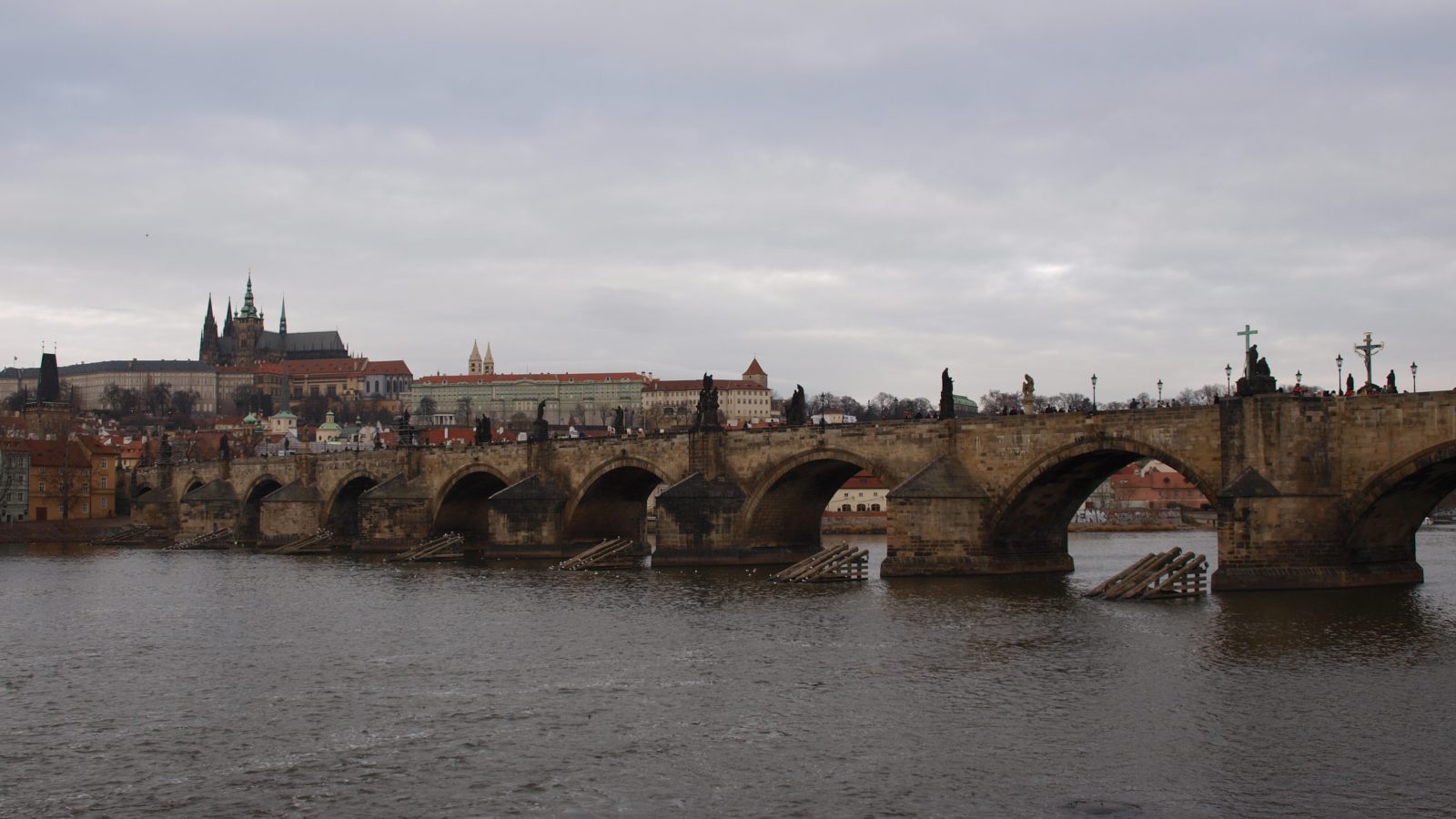
Prague survived the 20th century with its historic core almost entirely intact, which is rare in Central Europe. Gothic spires, Baroque facades, and Art Nouveau storefronts sit side by side across a compact center that’s easy to explore on foot. The Vltava River splits the city into two halves connected by a string of bridges, the most famous of which dates back to the 14th century.
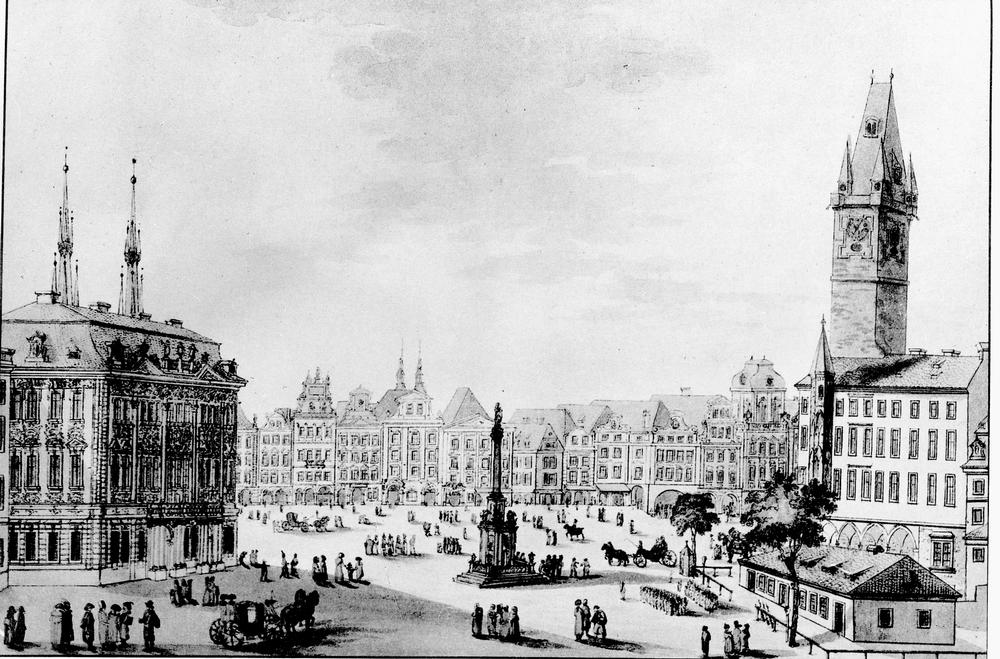
Tourism has grown fast since the Czech Republic joined the European Union, and Old Town Square can feel overwhelming at midday in July. The good news is that Prague absorbs crowds better than most European capitals its size, because so many of its best experiences happen in quieter neighborhoods just a short tram ride from the center.
Best Time to Visit Prague
Late April through early June is the sweet spot. Gardens are blooming, daylight stretches past 8 p.m., and the crush of peak summer hasn’t arrived yet. September and early October offer similar advantages, plus wine harvest season in nearby Moravia if you’re extending the trip.
Summer Trade-Offs
July and August bring the longest days and liveliest outdoor terraces, but also the thickest crowds around Charles Bridge and Prague Castle. Book skip-the-line tickets for major sights if you’re visiting in summer, and plan castle visits for early morning.
Winter Rewards Patient Travelers
December’s Christmas markets and January’s near-empty squares both have devoted fans. Winter days are short and cold, but Prague’s Baroque interiors and mulled wine culture make the season worthwhile if you don’t mind bundling up.
Where to Stay: Choosing the Right Neighborhood
This is where most first-time visitors get it wrong, either by paying a premium for a mediocre room on Old Town Square or by staying so far out that every evening involves a long tram ride home.
Staré Město (Old Town)
Staying inside Old Town puts the Astronomical Clock, Charles Bridge, and the best restaurants within a ten-minute walk. Rooms here cost more and street noise can be an issue on weekends, but for a first visit, the convenience is hard to beat.
Malá Strana (Lesser Town)
Just across the river from Old Town, Malá Strana sits below the castle and feels noticeably calmer once evening falls. Cobblestone lanes, embassy gardens, and a handful of excellent small hotels make this the pick for travelers who want charm without the loudest crowds.
Vinohrady
A ten-minute tram ride from the center, Vinohrady is where many locals actually live. Leafy streets, neighborhood cafes, and lower prices make it a smart base for longer stays or repeat visitors who’ve already covered the main sights.
Building a First-Time Prague Itinerary
Three full days is enough to see the highlights without rushing. Spread the big sights across mornings, and save afternoons for wandering.
Day One: Old Town and Charles Bridge
Start at the Astronomical Clock before the crowds build, then wander the Old Town Square markets. Cross Charles Bridge in the early morning light, when the statues and Vltava views are least crowded, and continue into Malá Strana for lunch.
Day Two: Prague Castle and Hradčany
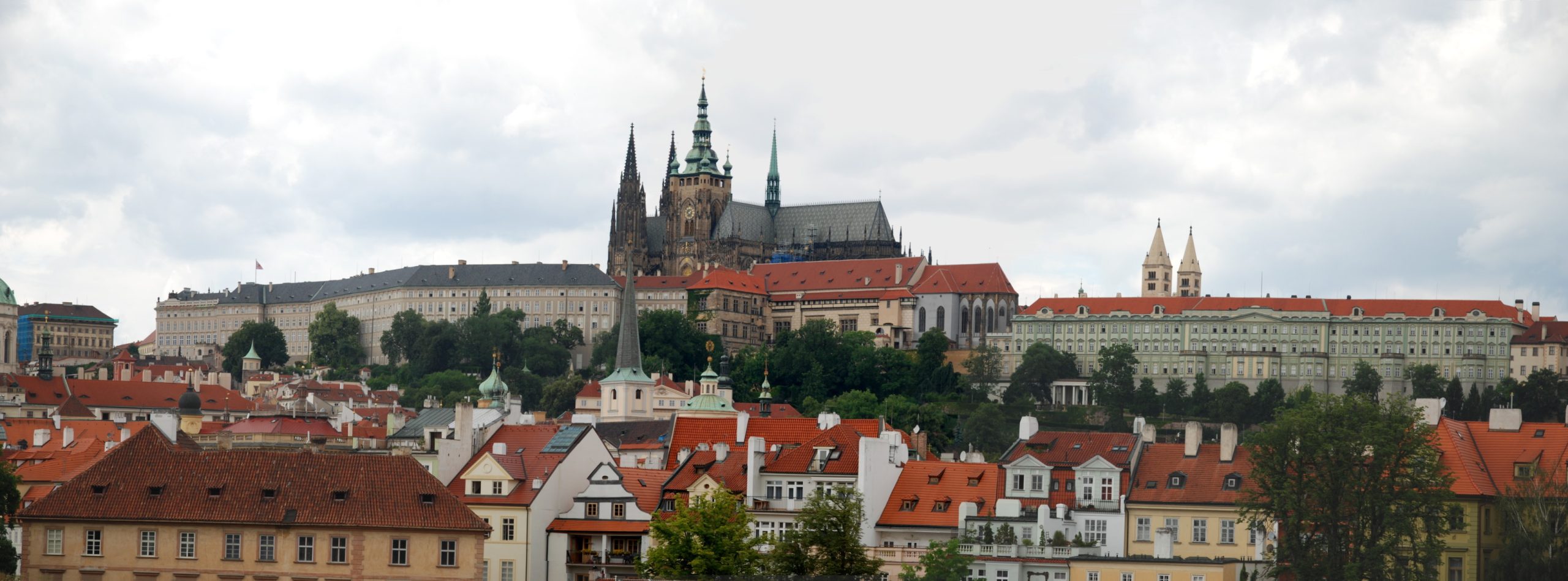
Prague Castle is the largest ancient castle complex in the world, and it takes a full morning to see St. Vitus Cathedral, the Old Royal Palace, and Golden Lane properly. Arrive at opening time to beat both the crowds and the midday heat in summer.
Day Three: Vinohrady and the New Town
Spend a slower day exploring Wenceslas Square, the Dancing House, and the residential streets of Vinohrady. This is also a good day to try a Czech beer hall for lunch, since the neighborhood spots tend to be less touristy than those near Old Town Square.
Practical Tips for Getting Around
- Prague’s tram and metro network is fast, cheap, and covers the whole city — a 24-hour or 72-hour transit pass is worth buying on arrival.
- The historic center is compact enough to walk between most major sights, but cobblestones are hard on wheeled luggage and heels.
- Restaurants near major squares often charge tourist prices; walking two streets away usually finds better food for less.
- Pickpocketing is a real concern on Charles Bridge and the metro during peak hours, so keep bags zipped and in front of you.
What Locals Wish Visitors Knew
Prague’s tourism board and local guides consistently point out that the city’s best experiences often sit just outside the main sightseeing loop. According to Czech Tourism, the official national tourism authority, visitors who venture into neighborhoods like Žižkov and Vinohrady tend to report a more authentic sense of the city than those who stay strictly within the Old Town core.
Travel+Leisure has also highlighted Prague’s beer culture as a reason to slow down rather than sightsee at full speed, noting that some of the city’s best pubs have been serving the same recipes for over a century.
Practical Takeaway
Book accommodation in Malá Strana or Old Town for convenience, or Vinohrady for value and a more local feel. Visit major sights early in the morning regardless of season, and leave room in the itinerary for slow afternoons in whichever neighborhood you’re staying. Prague rewards travelers who don’t try to see everything in one trip.
Conclusion
If you’re building out a wider Europe itinerary, a stay in one of Cappadocia’s cave hotels makes an unforgettable add-on. A well-planned Prague travel guide comes down to timing and neighborhood choice more than a packed checklist of sights. Visit in late spring or early fall if the calendar allows, base yourself in Malá Strana or Vinohrady for a calmer stay, and build in time to wander without an agenda. Prague’s spires and cobblestones have survived centuries of change; they’ll still be there whether you see them at a sprint or a stroll.
Related Articles
Vienna Travel Guide: Best Time to Visit and Where to Stay
This Vienna travel guide covers the best time to visit, where to stay between…
Seville Travel Guide: Best Time to Visit and Where to Stay
This Seville travel guide covers the best time to visit, where to stay between…
Seville Travel Guide: Best Time to Visit and Where to Stay
This Seville travel guide covers the best time to visit, the sights worth building…