Budapest Travel Guide: Best Time to Visit and Where to Stay

Budapest has grown fast as a destination. Visitor numbers climbed sharply over the past two years, and the city is adding hotel rooms to keep pace. That popularity brings real trade-offs: some of the most famous bathhouses are mid-renovation, peak-season crowds have gotten heavier, and booking ahead now matters more than it used to. Here is how to time the trip and where to settle in.
When to Visit Budapest
Budapest rewards visitors who avoid the deep summer crush. Spring and autumn, especially March and November, tend to offer the best mix of manageable crowds and reasonable hotel rates, though the trade-off is cooler, less predictable weather. Summer brings long days and a lively riverside scene, but also the biggest crowds of the year, with visitor numbers up sharply in recent years as the city has become a fixture on Central European itineraries.
Winter for the Baths, Shoulder Season for Everything Else
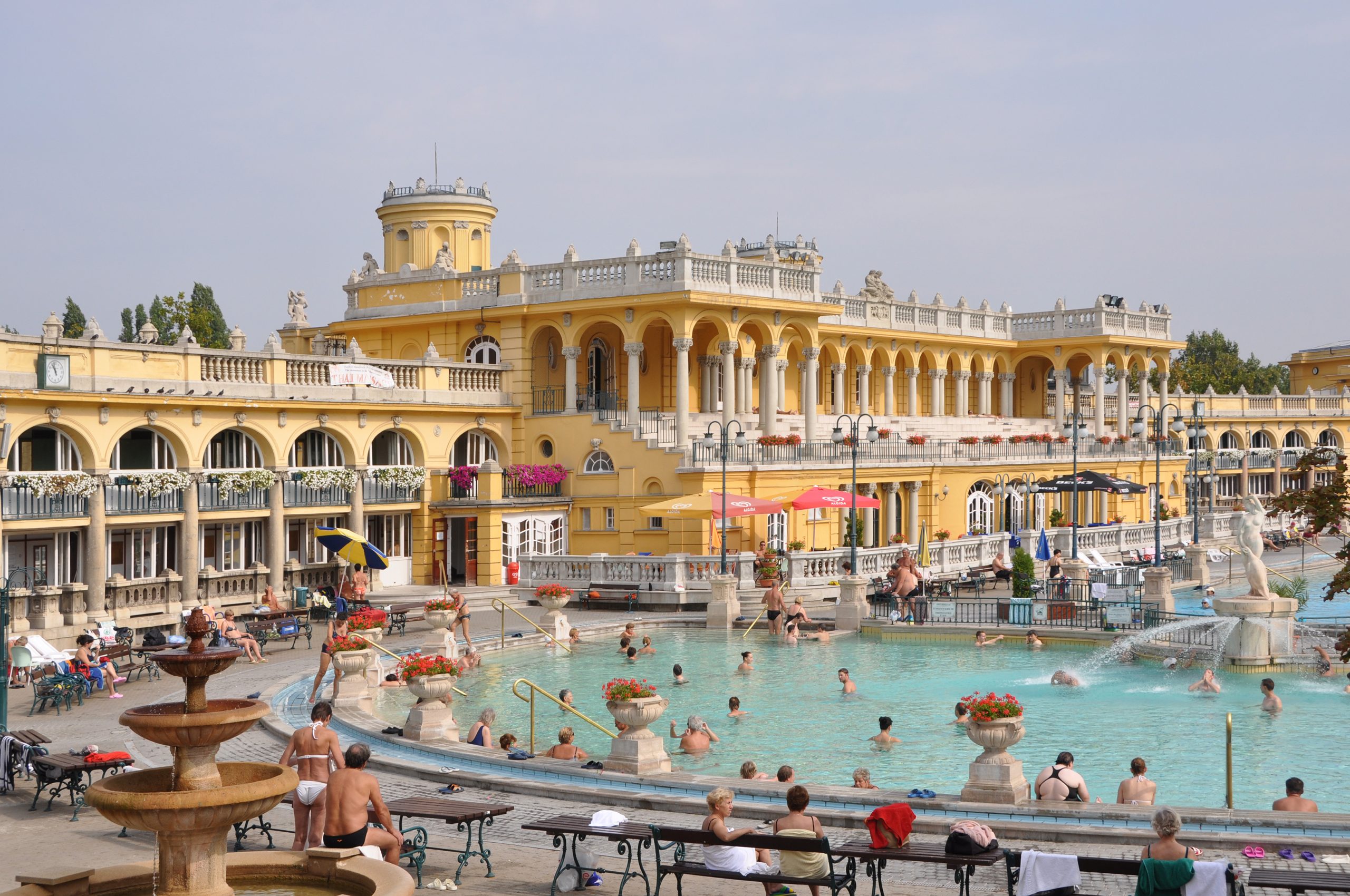
If the thermal baths are the main draw, winter has its own appeal: soaking in outdoor mineral water while snow falls is one of the more memorable things to do in the city, and the Christmas markets around this time add another reason to brave the cold. January and February are the coldest months, with average temperatures hovering just above and below freezing, so pack accordingly. For a first visit that balances comfort with atmosphere, aim for April, May, September, or October.
Book Baths Ahead, Especially in 2026
Two of Budapest’s most famous historic baths, Gellért and Király, are currently closed for extended renovation work, which has pushed more visitors toward Széchenyi, Rudas, and Lukács. Reserve bath tickets online before you arrive rather than relying on walk-up entry, particularly if your trip falls in summer or around a holiday weekend.
Where to Stay: Buda vs. Pest
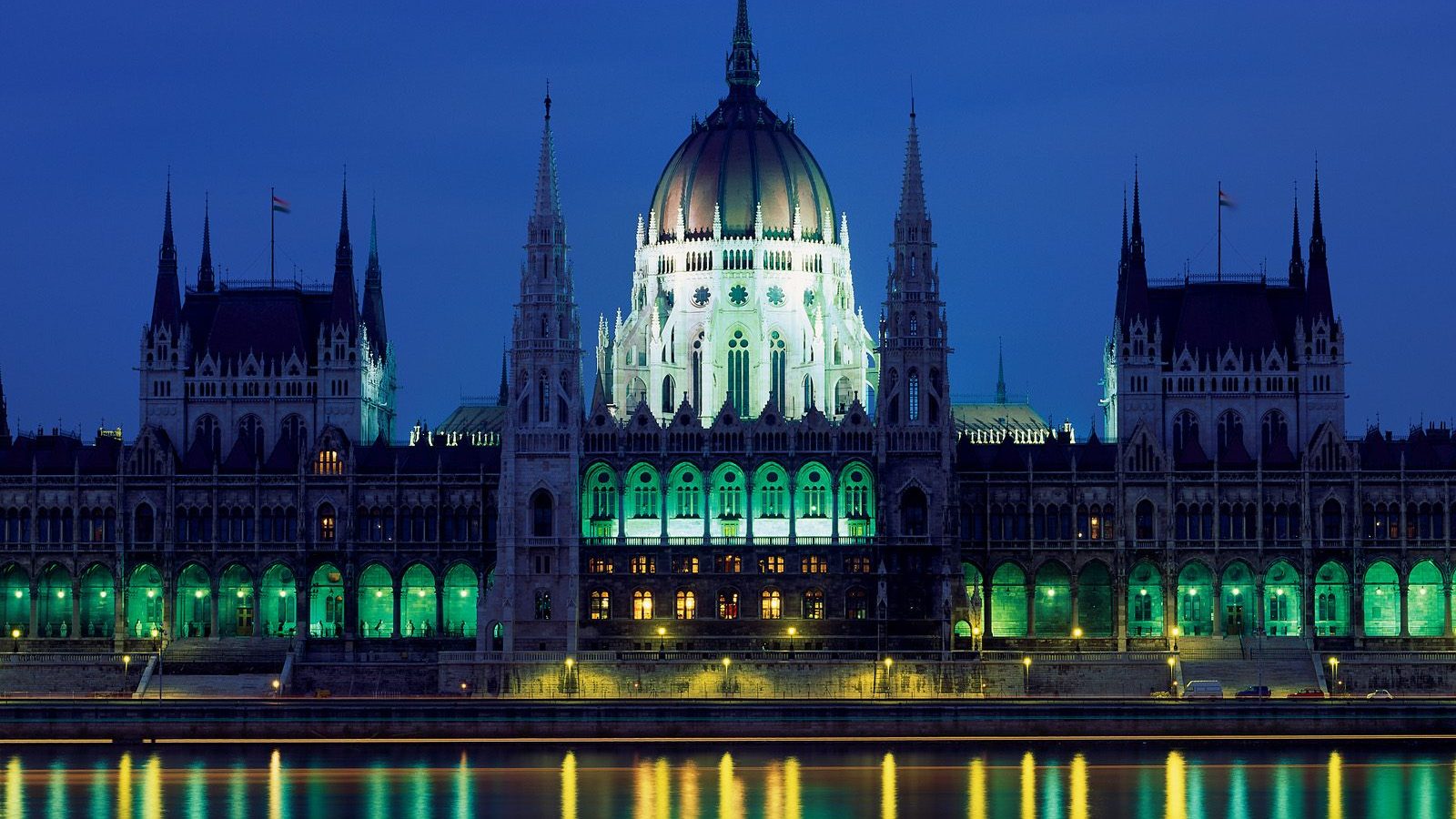
Choosing a base in this Budapest travel guide really comes down to one question: do you want quiet and views, or nightlife and walkability? Buda, on the hilly west bank, is calmer and greener, anchored by Castle Hill. Pest, flat and sprawling on the east bank, holds most of the restaurants, bars, and shopping, along with the Parliament Building and the majority of the city’s hotels.
Castle Hill and the Buda Side
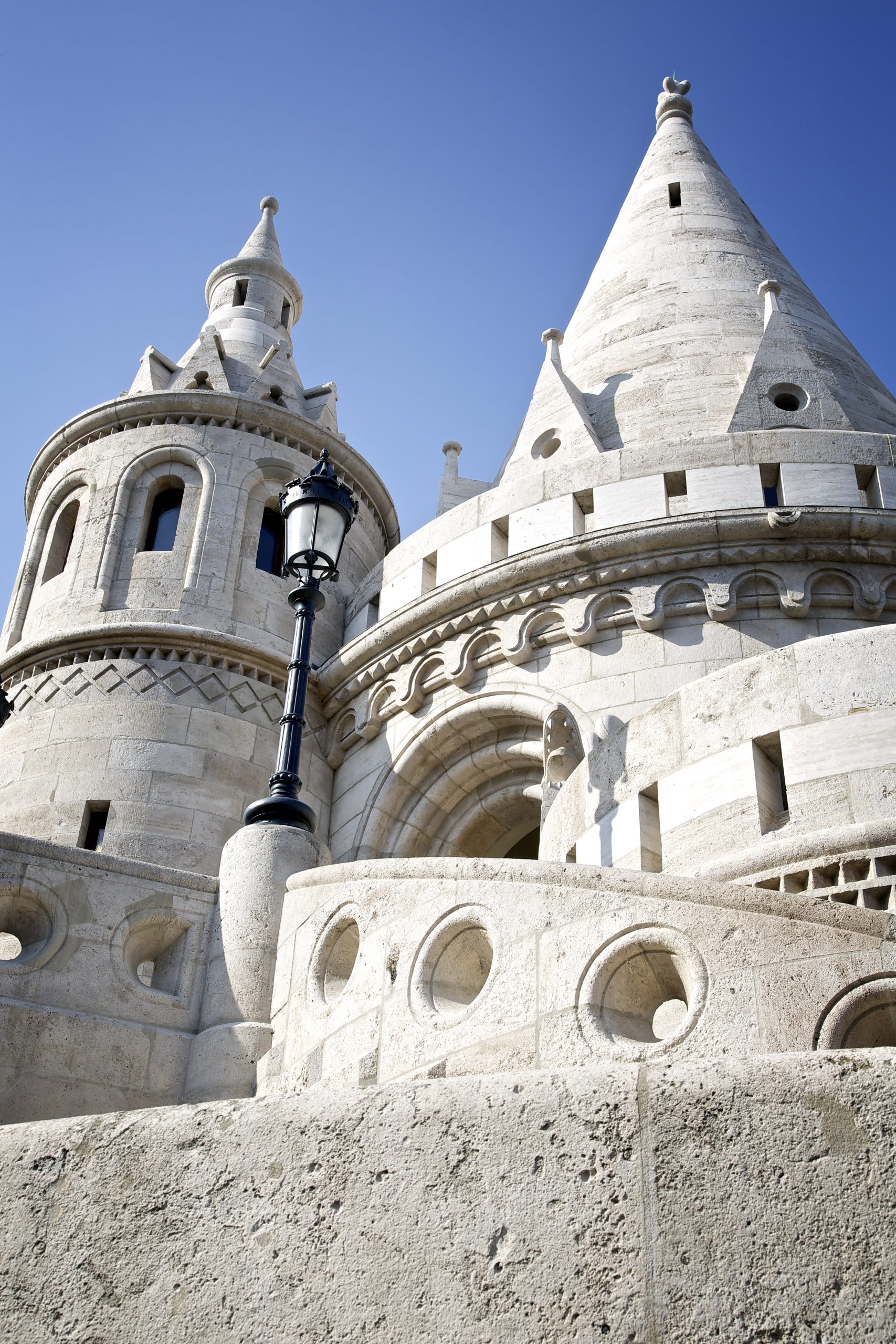
Staying near Buda Castle or Fisherman’s Bastion puts you close to some of the best skyline views in the city, along with a genuinely quieter pace after the day-trip crowds clear out in the evening. The trade-off is a longer walk or a tram ride to reach Pest’s restaurant scene, so factor that into how much ground you want to cover on foot.
District V and District VII in Pest
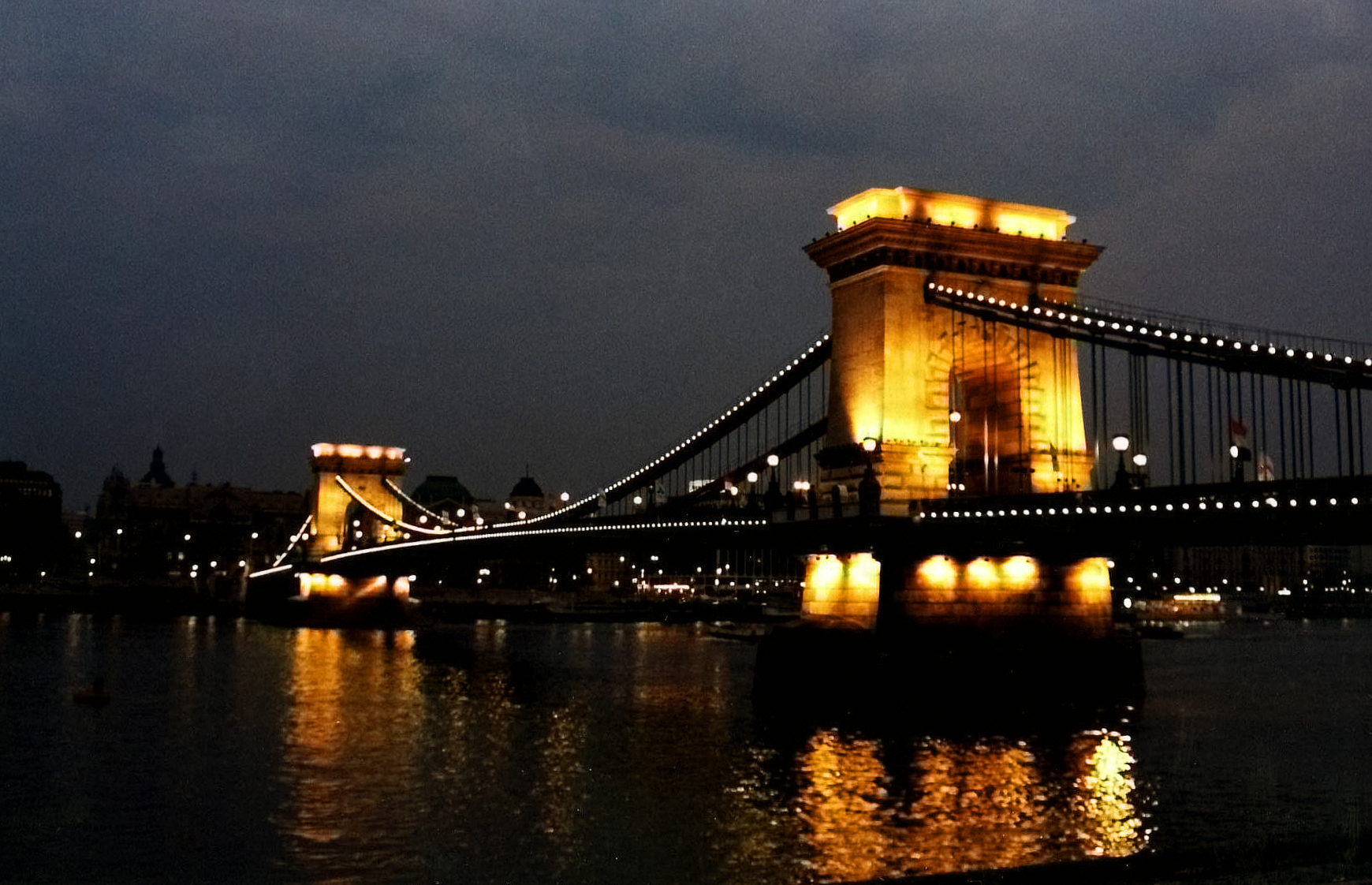
District V, around the Parliament Building and the Danube promenade, puts you within walking distance of the Chain Bridge, St. Stephen’s Basilica, and the riverside itself. District VII, the old Jewish Quarter, is the center of Budapest’s famous ruin bar scene and has become the go-to base for travelers who want nightlife within stumbling distance of their hotel.
- First-timers who want to sightsee on foot: District V, near the Danube and Parliament
- Nightlife-focused trips: District VII, the Jewish Quarter and ruin bar district
- Quiet mornings and skyline views: Buda, near Castle Hill
- Budget-conscious stays with easy transit: District VI or VIII, both a short tram ride from the center
Building a First-Time Itinerary
Two to three days is enough to cover Budapest’s highlights without rushing. A workable rhythm: spend one day in Pest around the Parliament Building, the Danube promenade, and the Chain Bridge; one day in Buda exploring Castle Hill and Fisherman’s Bastion; and reserve at least a half-day, ideally a full morning or afternoon, for a proper soak at one of the thermal baths.
Crossing the Danube
The Chain Bridge is the most iconic of Budapest’s river crossings and the most scenic way to move between Buda and Pest on foot. Walk it at least once, ideally around sunset when the Parliament Building and Castle Hill both light up.
Practical Tips
- Bring your own towel and flip-flops to the baths; rental options are limited and often the first thing to sell out.
- As of August 2025, most Budapest thermal baths restrict entry for children under 14, so check current rules before planning a family soak.
- Public transit, including the metro, trams, and buses, runs on a single ticket system and is the easiest way to move between Buda and Pest.
- Cash is still useful for small vendors and market stalls, even though most restaurants and hotels take cards.
Conclusion
The best version of a Budapest trip mixes the two things the city does better than almost anywhere else: grand river views and genuinely relaxing thermal baths. Time your visit for spring, autumn, or a snowy stretch of winter, pick a base that matches how you want to spend your evenings, and leave room in the itinerary for at least one unhurried afternoon in the water. Any solid Budapest travel guide comes back to that same balance of movement and rest, and it’s the reason so many first-time visitors start planning a return trip before they’ve even left. If you’re building out a broader European itinerary, you might also enjoy our guide to where to eat in Palermo, another city where the streets do a lot of the culinary heavy lifting.
]]>Related Articles
Vienna Travel Guide: Best Time to Visit and Where to Stay
This Vienna travel guide covers the best time to visit, where to stay between…

Seville Travel Guide: Best Time to Visit and Where to Stay
This Seville travel guide covers the best time to visit, where to stay between…
Seville Travel Guide: Best Time to Visit and Where to Stay
This Seville travel guide covers the best time to visit, the sights worth building…