Slow Train Travel in Europe: Why 2026 Trips Skip the Airport

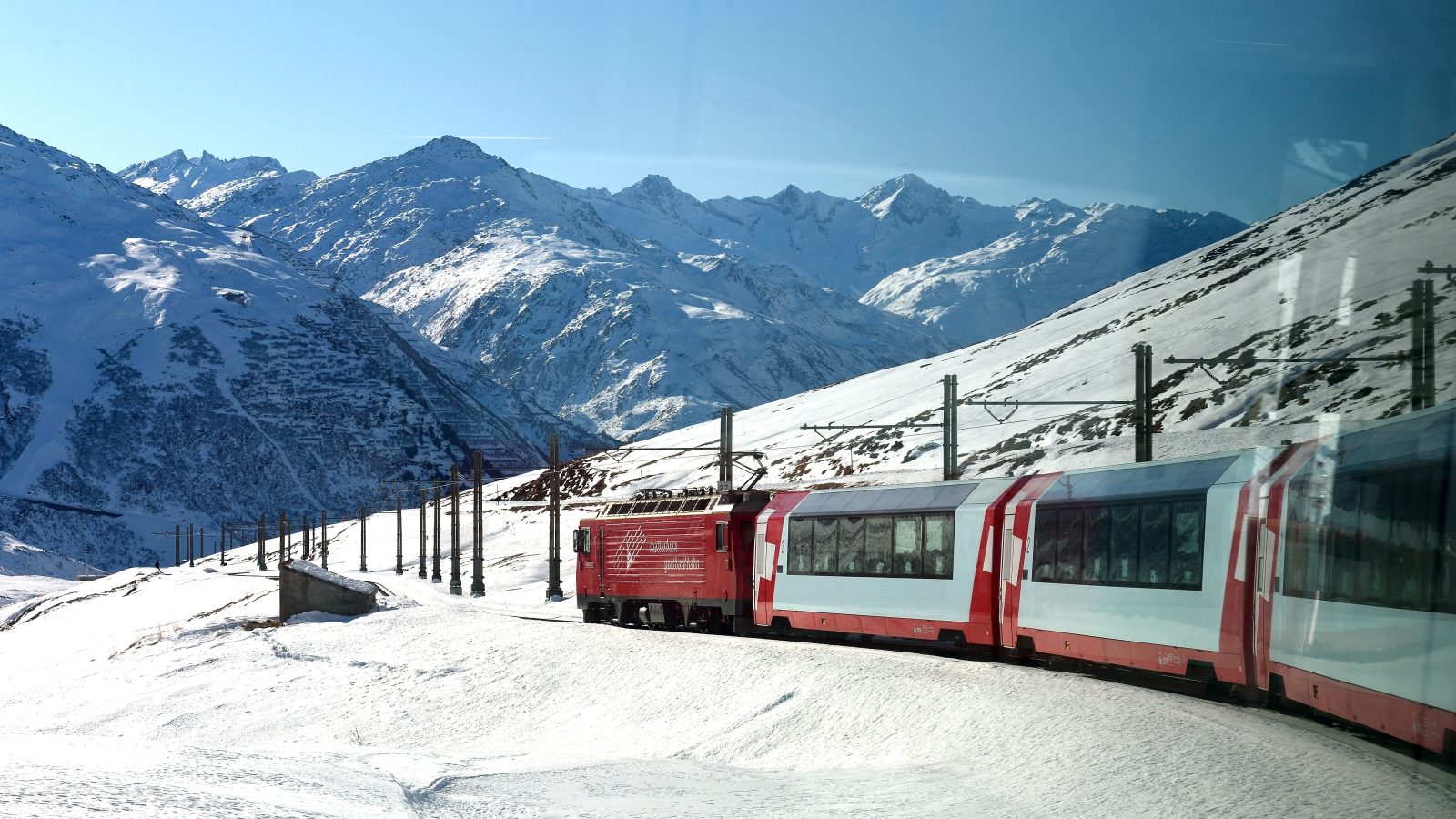
Slow train travel in Europe has moved from a niche interest for rail enthusiasts to one of the most talked-about shifts in how people plan a trip. Instead of a 90-minute flight between cities, a growing number of travelers are booking multi-hour rail journeys on purpose — treating the trip itself as part of the destination rather than a gap to get through.
What’s Driving the Shift
A few forces are pushing this trend at once. Overnight sleeper routes have been reintroduced across several European countries after years of decline, budget airlines have added fees that erode their price advantage on short routes, and a broader interest in lower-impact travel has made the train feel like the more deliberate choice.
There’s also a simple comfort argument. City-center stations skip the hour-plus of airport transfers and security lines that eat into a short-haul flight’s time savings, and legroom on most European trains beats anything in economy class.
The Routes Leading the Trend
Switzerland’s Panoramic Lines
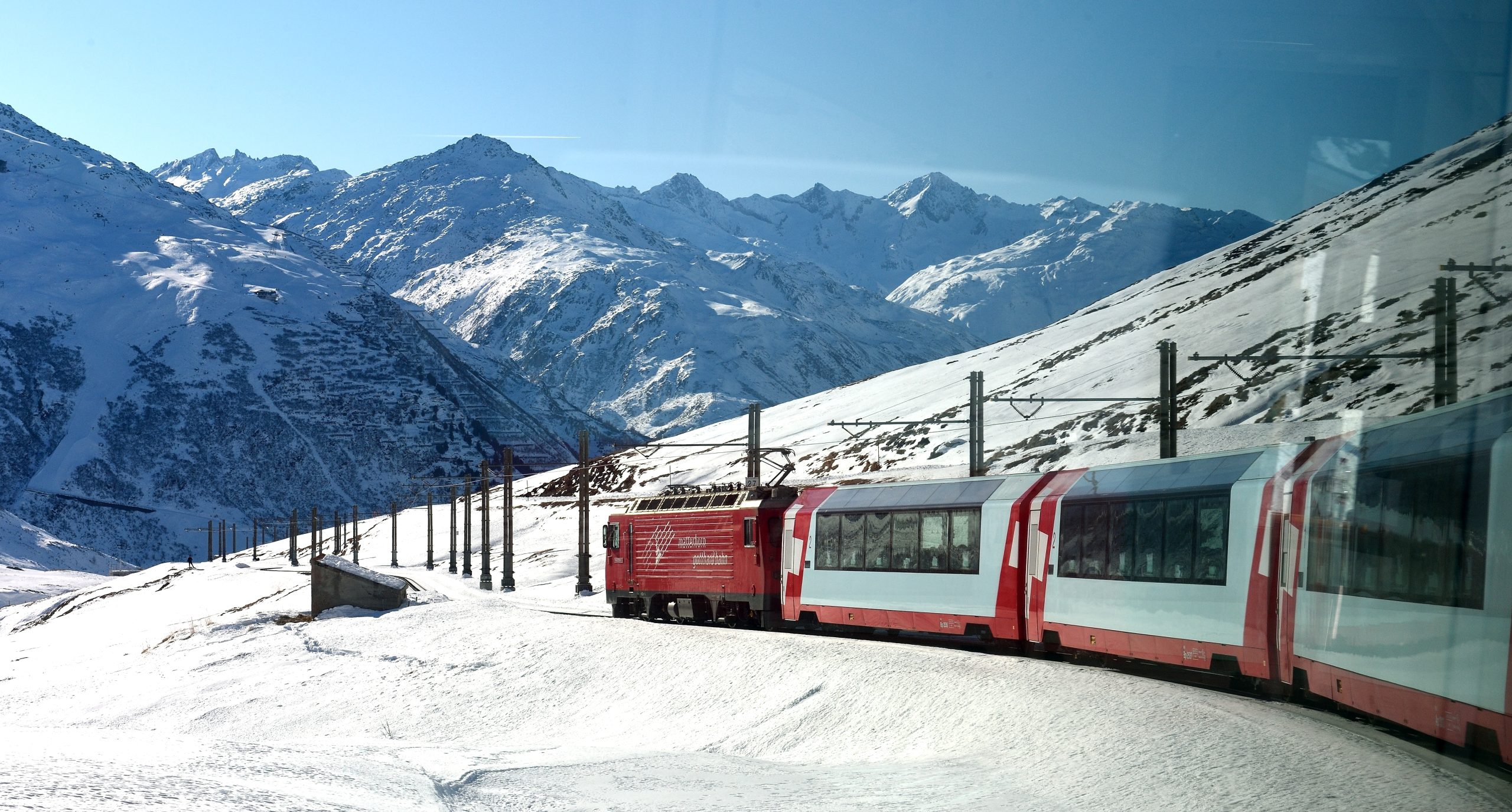
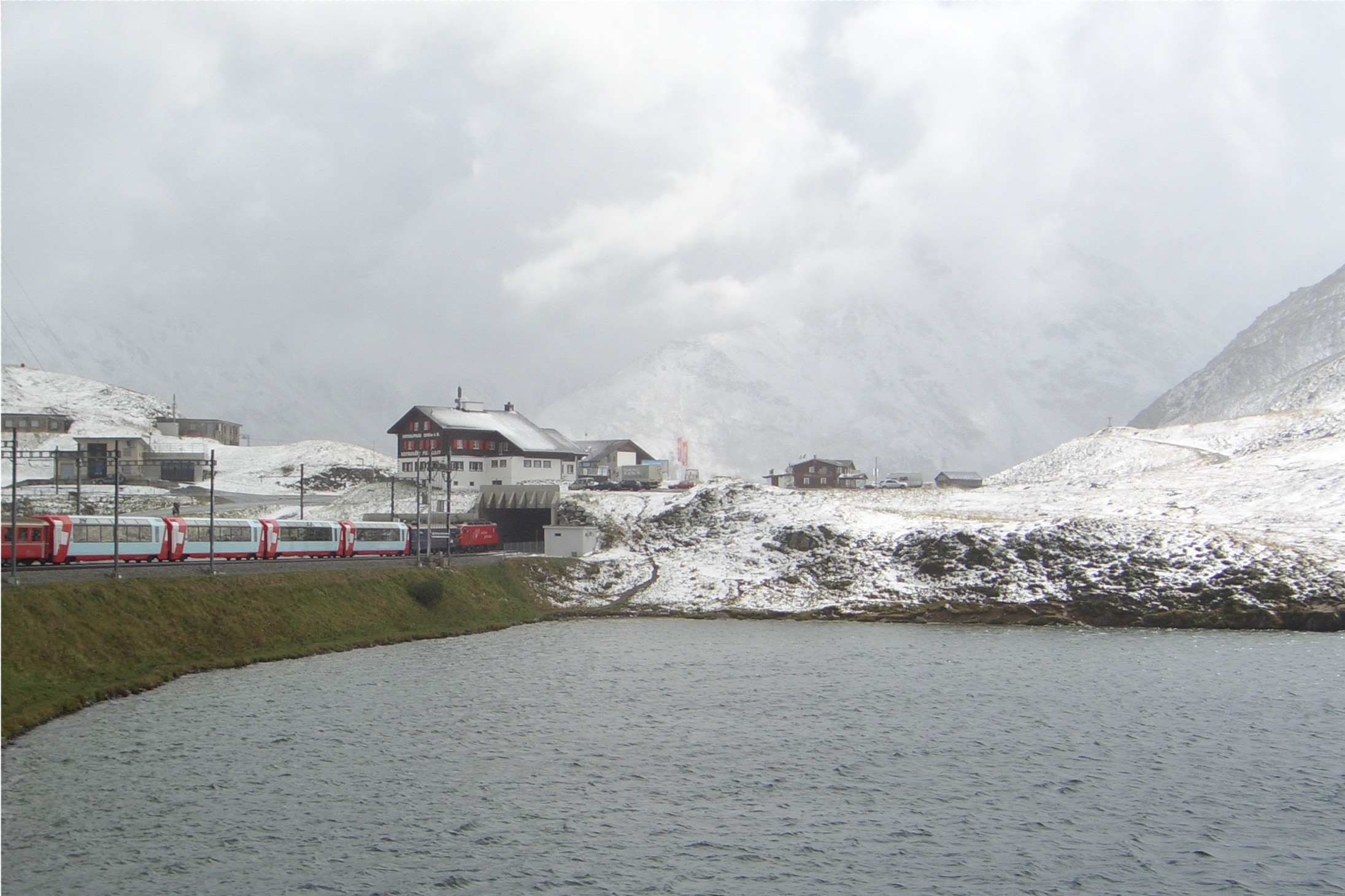
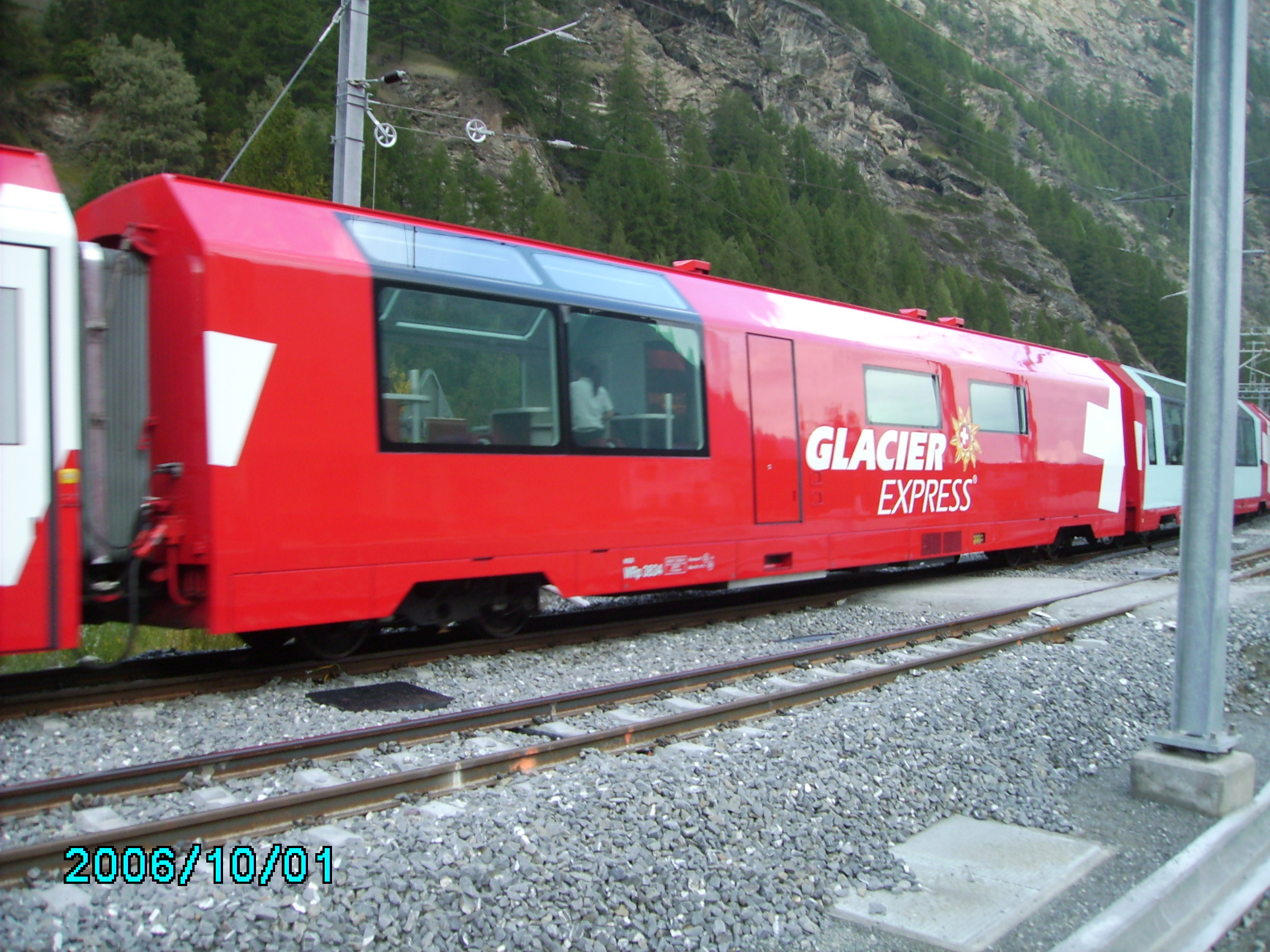
Switzerland remains the benchmark for scenic rail, and routes like the Glacier Express between Zermatt and St. Moritz show why. Floor-to-ceiling windows, a fixed dining car, and a route that crosses more than 90 tunnels and 291 bridges turn an eight-hour journey into the main event of a trip rather than a way to get somewhere else.
Night Trains Returning to Western Europe
Overnight services connecting cities like Paris, Vienna, and Berlin have expanded their timetables in recent years, appealing to travelers who want to save a hotel night and wake up in a new city. Demand has been strong enough that several operators have added new routes rather than trimming old ones.
Coastal and Mountain Regional Lines
Beyond the marquee routes, regional lines through areas like the Norwegian fjords or Italy’s Amalfi coastline are gaining attention specifically because they’re slower than the alternative, not despite it.
How This Compares to Flying
- Door-to-door time is often similar for routes under five hours once airport transfers are factored in
- Baggage allowances are typically more generous on trains, with no extra fees for a second bag
- Rail passes covering multiple countries can undercut the cost of several one-way flights
- Trains allow a stop mid-journey without the cost or hassle of rebooking a flight
Travel + Leisure has tracked this shift closely, noting that rail bookings across major European routes have climbed steadily as more travelers look for a lower-stress alternative to short-haul flying.
Planning a Slow Train Trip
Book the Scenic Legs Early
Panoramic routes like the Glacier Express and Bernina Express have limited seating in their best carriages, and those seats sell out well ahead of peak summer months. Booking two to three months out is a safe buffer for July and August travel.
Mix Fast and Slow
Not every leg of a trip needs to be scenic. A sensible itinerary often pairs a fast, functional train for getting between major cities with one or two deliberately slow, scenic legs as the centerpiece of the trip.
Pack Light
Most European trains don’t have the overhead bin restrictions of an airplane, but station platforms and connections still reward a bag you can carry comfortably. Our carry-on packing guide covers the basics if you’re building a rail-friendly kit.
The Takeaway
Slow train travel in Europe isn’t a rejection of speed so much as a different definition of what a good trip should feel like. For travelers who’ve grown tired of treating transit as dead time, a well-chosen rail route turns the journey into one of the trip’s best days rather than something to endure before the real vacation starts.
For more on how travel habits are shifting this year, see our roundup of 2026 travel trends and our guide to the best food cities in Europe for pairing a rail trip with a culinary itinerary.
Related Articles
Set-Jetting: How Film and TV Locations Are Driving 2026 Travel
Set-jetting is sending travelers straight to the real-world locations behind their favorite shows and…

Coolcation Travel: Why 2026 Trips Chase Cooler Climates
Coolcation travel is reshaping summer 2026, as record heat pushes travelers toward Iceland, Norway,…

Sleep Tourism: Inside 2026’s Hotel Rest Retreat Boom
Sleep tourism is turning hotel rooms into rest-engineered spaces, with sleep menus, blackout design,…