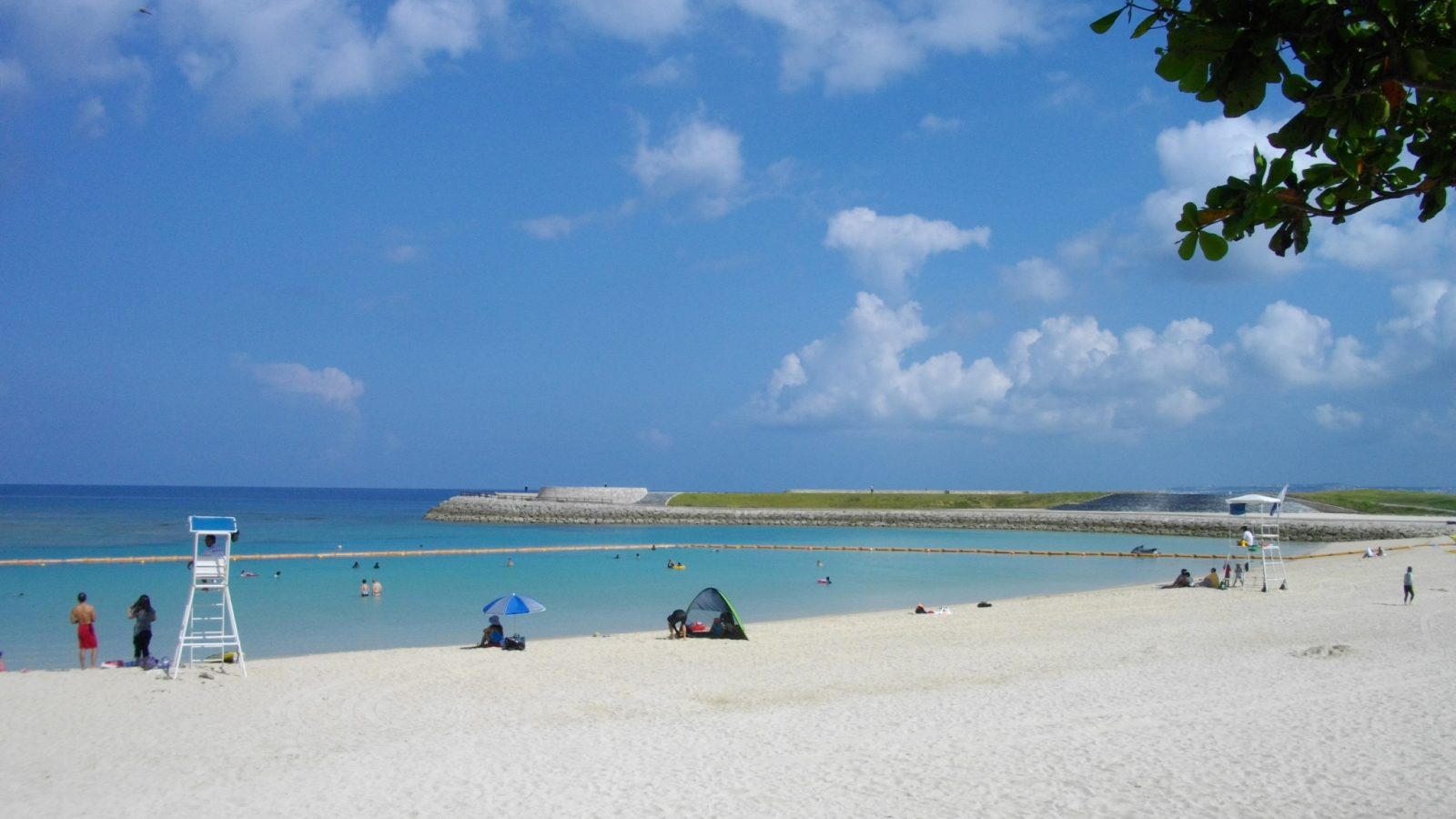
How to Choose an All-Inclusive Resort Worth It

Choosing an all-inclusive resort sounds simple until you’re staring at a dozen nearly identical listings, each promising unlimited food, drinks, and activities for one flat price. The category has grown far beyond the buffet-and-pool-bar reputation it once had, with properties now ranging from budget family resorts to five-star adults-only escapes with à la carte dining and swim-up suites. Picking the right one — rather than just the cheapest one — makes the difference between a genuinely relaxing trip and a week of mediocre food and overcrowded pool chairs.
What “All-Inclusive” Actually Covers
The term isn’t standardized, which is the first thing worth understanding before booking. At minimum, an all-inclusive resort covers three meals a day and a set menu of drinks, often including alcohol. Beyond that baseline, coverage varies enormously: some resorts include unlimited à la carte restaurant reservations, top-shelf liquor, and non-motorized water sports, while others restrict guests to a single buffet and charge extra for anything beyond a house wine or domestic beer. Reading the fine print on what’s actually included — and what triggers an upcharge — is the single most important step before booking.
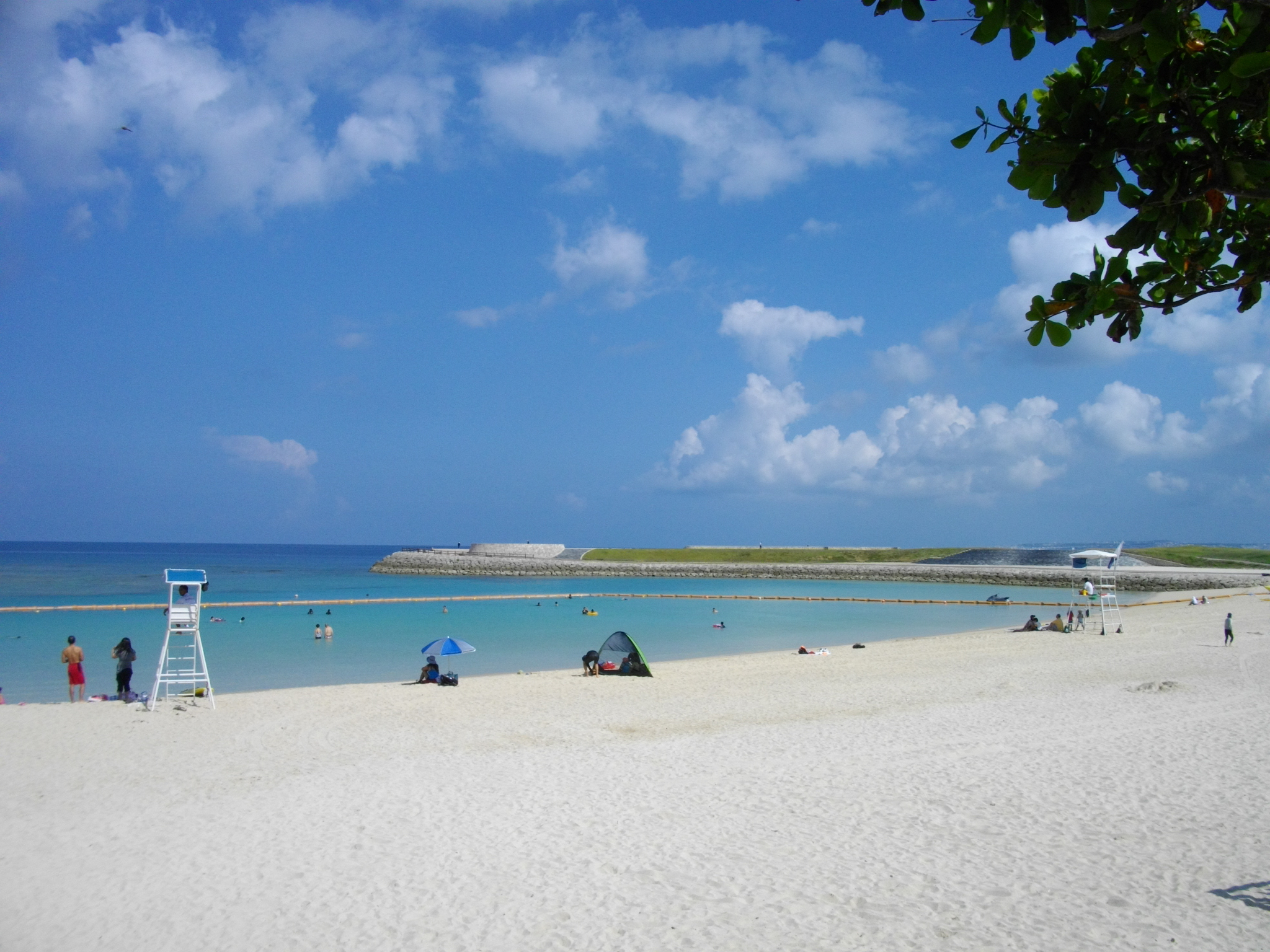
How to Choose an All-Inclusive Resort Worth the Money
Check the Room-to-Guest Ratio
Larger resorts, especially those with 500 or more rooms, tend to mean longer lines at restaurants, more competition for pool loungers, and a more generic experience overall. Boutique-scale all-inclusive properties, generally under 200 rooms, often deliver a noticeably better guest experience even at a similar nightly rate, simply because the ratio of staff and amenities to guests is more favorable.
Look Past the Marketing Photos
Professional photography can make almost any pool look infinite and any room look spacious. Recent, unedited guest photos — widely available on review platforms — are a far more reliable gauge of what a room, beach, or buffet spread actually looks like day to day. Pay particular attention to photos of the beach at low tide and the pool area during peak midday hours, both of which marketing shots tend to avoid.

Match the Resort to the Trip, Not Just the Destination
A resort built around swim-up bars and nightly entertainment suits a bachelorette trip far better than a couples’ anniversary getaway, and a property without a dedicated kids’ club will frustrate families even if the beach is spectacular. Before comparing prices, narrow the search to resorts explicitly marketed toward the kind of trip being planned — adults-only, family-friendly, or activity-focused — rather than filtering purely by star rating.
Confirm What Happens Off-Property
Some of the best all-inclusive value comes from resorts that make it easy to leave the property for a few hours — a nearby town, a snorkeling excursion, a local market — without losing the convenience of returning to included meals afterward. Isolated resorts with no nearby town access can feel confining by the end of a week-long stay, even with excellent on-site amenities.
The Main Types of All-Inclusive Resorts
Budget and Mid-Range Family Resorts
These make up the largest share of the market, typically found across the Caribbean, Mexico, and parts of Southeast Asia. Expect buffet-style dining, a rotating kids’ club schedule, and a straightforward drinks menu. They’re a solid value for families prioritizing predictability and cost control over culinary variety.
Upscale and Adults-Only Resorts
This tier typically includes multiple à la carte restaurants instead of a single buffet, a broader top-shelf drinks list, and quieter pool zones without children’s activities running through the day. Adults-only branding has expanded significantly in recent years as resorts respond to demand from couples and groups of friends seeking a calmer atmosphere.
Boutique and Eco-Focused All-Inclusives
A smaller but growing category, these resorts emphasize sustainability, locally sourced food, and a lower guest-to-staff ratio over sheer scale of amenities. They tend to sit at a higher price point but appeal to travelers who want the convenience of all-inclusive pricing without the large-resort feel.
When to Book for the Best Value
All-inclusive pricing swings significantly with the calendar. Booking four to six months ahead of peak weeks — winter holidays in warm-weather destinations, spring break windows, and summer school holidays — generally secures both better rates and a wider choice of room categories. Last-minute deals do exist, particularly six to eight weeks out during shoulder season, but they come with less room selection and higher risk of the resort being fully booked for preferred dates.
Red Flags Worth Watching For
- Resort fees not included in the advertised rate. Some properties tack on daily resort fees, Wi-Fi charges, or gratuity requirements that aren’t reflected in the headline price.
- A large gap between review dates. A resort with excellent reviews from three years ago but thin, mixed reviews recently may have changed ownership, management, or maintenance standards.
- Vague language around “premium” inclusions. Terms like “select premium spirits included” often mean only a narrow list of brands is actually covered at no extra charge.

A Practical Takeaway for Booking
Before finalizing a booking, request or search for the resort’s current dining reservation policy, confirm whether airport transfers are included, and check cancellation terms — hurricane season and other weather disruptions can affect certain regions more than others depending on the time of year. A short call or message to the resort directly, rather than relying solely on a booking platform’s summary, often clarifies exactly what’s included and what isn’t.
Travel + Leisure’s all-inclusive resort coverage is a useful starting point for property-specific recommendations, and Skift has published research on shifting traveler expectations around resort and hospitality trends that’s worth a skim before booking a longer stay.
Conclusion
An all-inclusive resort can be one of the most stress-free ways to travel, or one of the more disappointing, depending almost entirely on how carefully the booking was researched. Reading the fine print on inclusions, checking recent guest photos over marketing shots, and matching the resort’s style to the actual trip being planned are the three habits that separate travelers who love their all-inclusive stay from those who spend the week wishing they’d chosen differently.
Related Reads
Related Articles

Lighthouse Hotels: Where to Sleep at the Edge of the Sea
Lighthouse hotels turn decommissioned beacons and keeper's cottages into some of the coast's most…

Vineyard Hotels: Where to Stay Among the Vines
Vineyard hotels turn working wine estates into overnight stays, from Tuscany's Brunello country to…

Riad Hotels in Marrakech: Where to Stay in the Medina
Riad hotels in Marrakech turn centuries-old courtyard houses into some of the medina's most…