Best Food Cities in Europe for a Culinary Getaway

Choosing among the best food cities in Europe for a culinary getaway usually comes down to one question: are you traveling for a single legendary dish, or for a whole culture built around eating well? The strongest food destinations on the continent tend to deliver both — a signature specialty worth the trip on its own, plus a market culture, café rhythm, and regional pantry that reward slow, unhurried exploration. This guide covers four cities that consistently earn a spot on any serious food traveler’s list, along with practical tips for building a trip around eating rather than sightseeing.
What Makes a City One of the Best Food Cities in Europe
Great restaurants alone don’t make a food city. The strongest culinary destinations combine several layers: a working market where locals still shop daily, a strong café or wine bar culture that turns eating into a social ritual rather than a quick refuel, regional ingredients that show up consistently across menus, and enough range — from street food to formal dining — that a visitor can eat well on almost any budget. Judged against that standard, a handful of European cities stand out clearly from the pack.
Barcelona: Markets, Tapas, and Coastal Seafood
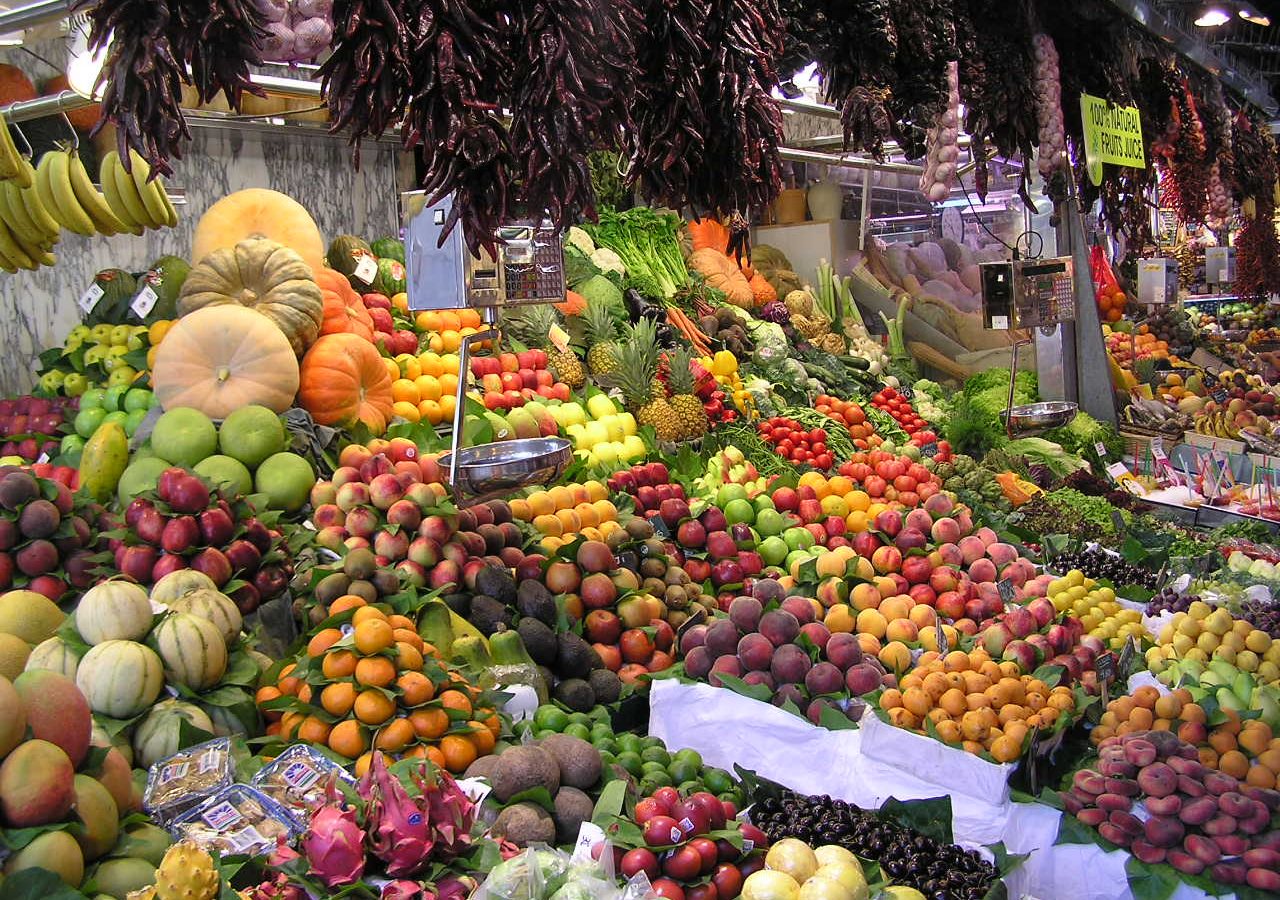
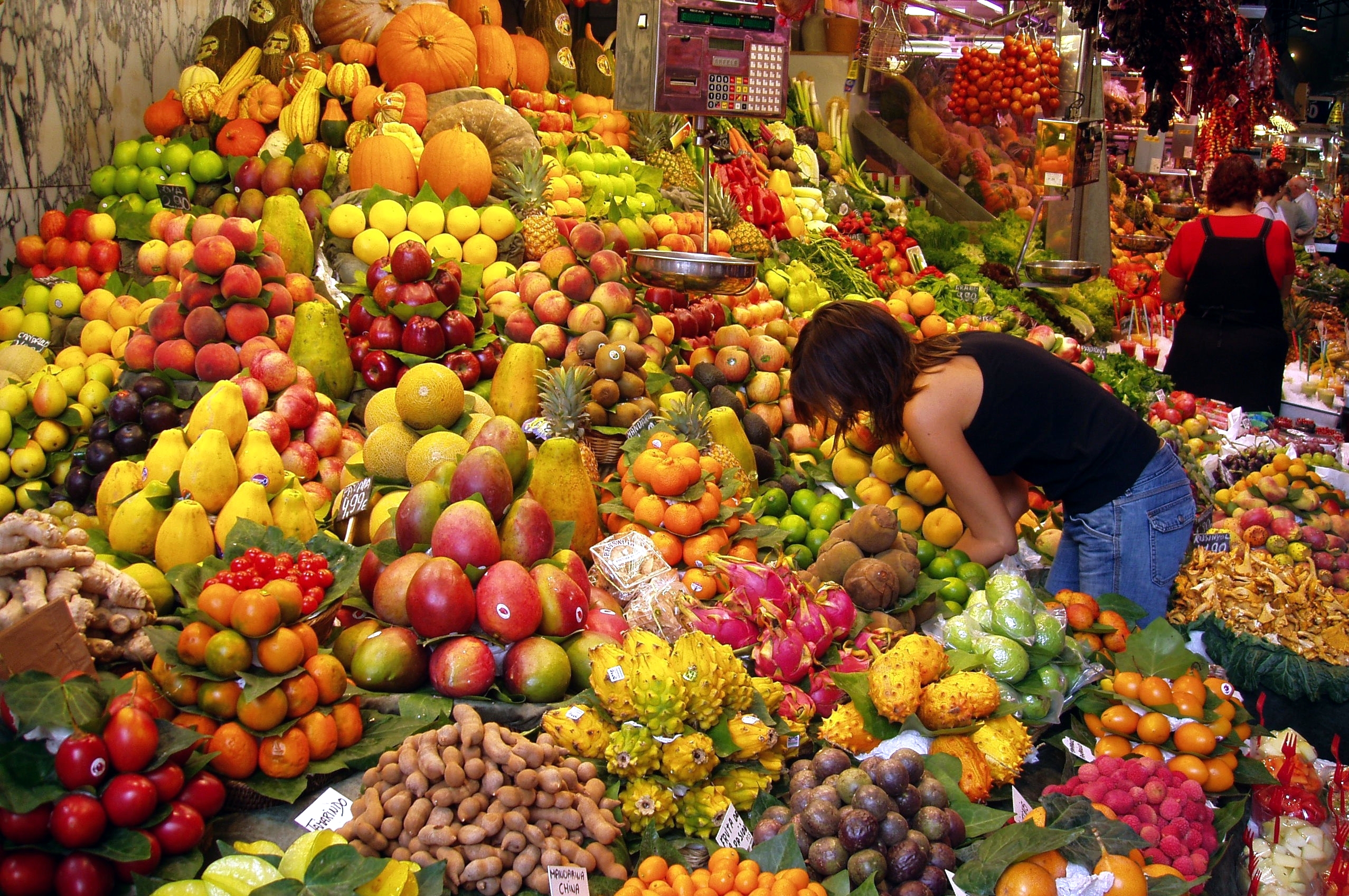
Barcelona’s La Boqueria market, just off La Rambla, is one of Europe’s great food spectacles: stalls piled with jamón ibérico, glistening seafood, and tropical fruit stacked into color-coordinated displays. Beyond the market, the city’s tapas culture turns eating into an evening-long crawl between small plates — patatas bravas, pan con tomate, grilled razor clams — rather than a single sit-down meal.
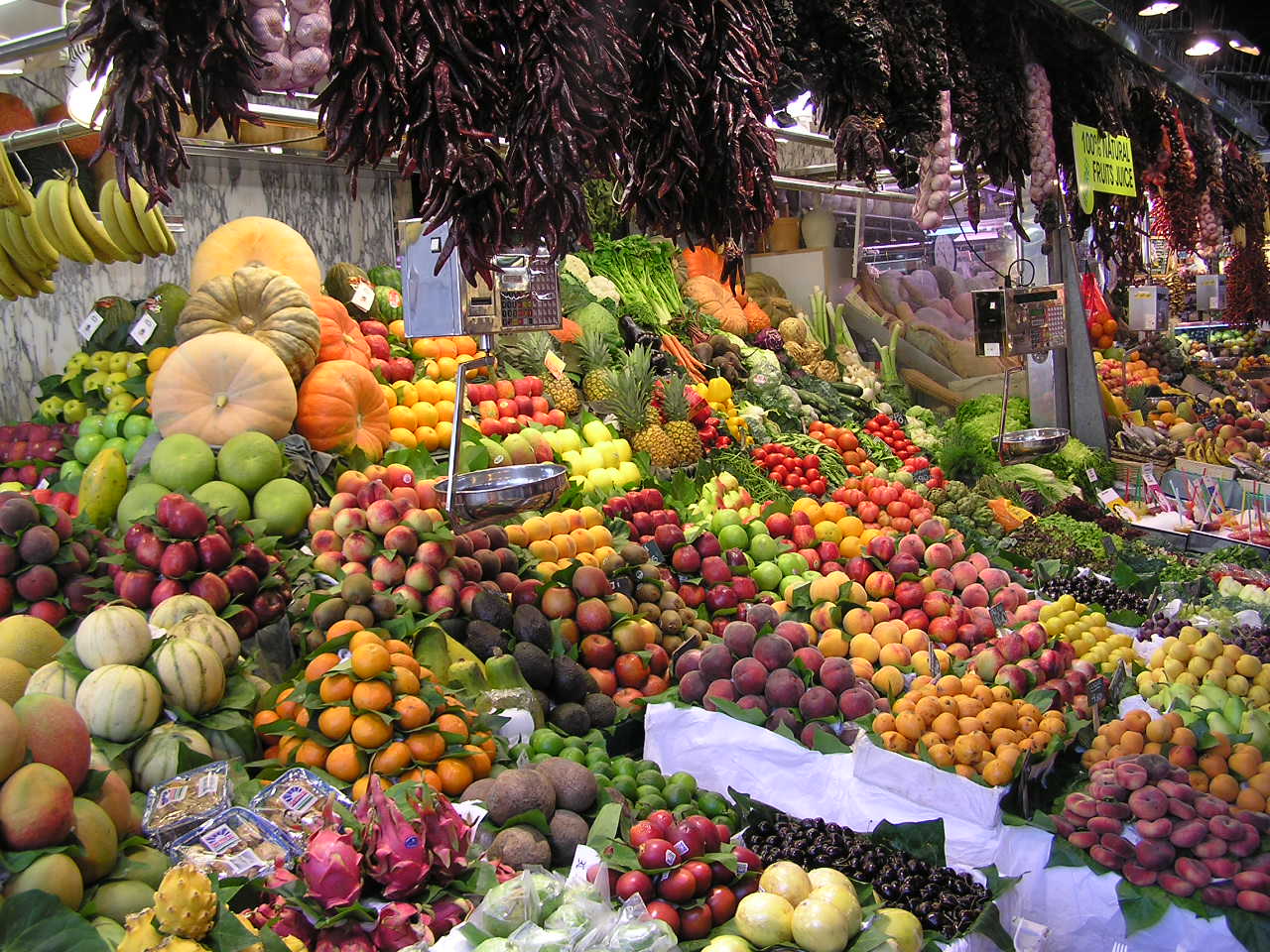
Catalonia’s coastal position also means excellent seafood is a given rather than a specialty splurge, and the city’s wine bars have leaned increasingly into natural and orange wines alongside the traditional cava. For a culinary trip, plan at least one morning at a market and one evening dedicated purely to tapas-hopping through the El Born or Gràcia neighborhoods.
Bologna and Emilia-Romagna: Italy’s Food Heartland
Why Bologna Outranks Rome for Serious Eaters
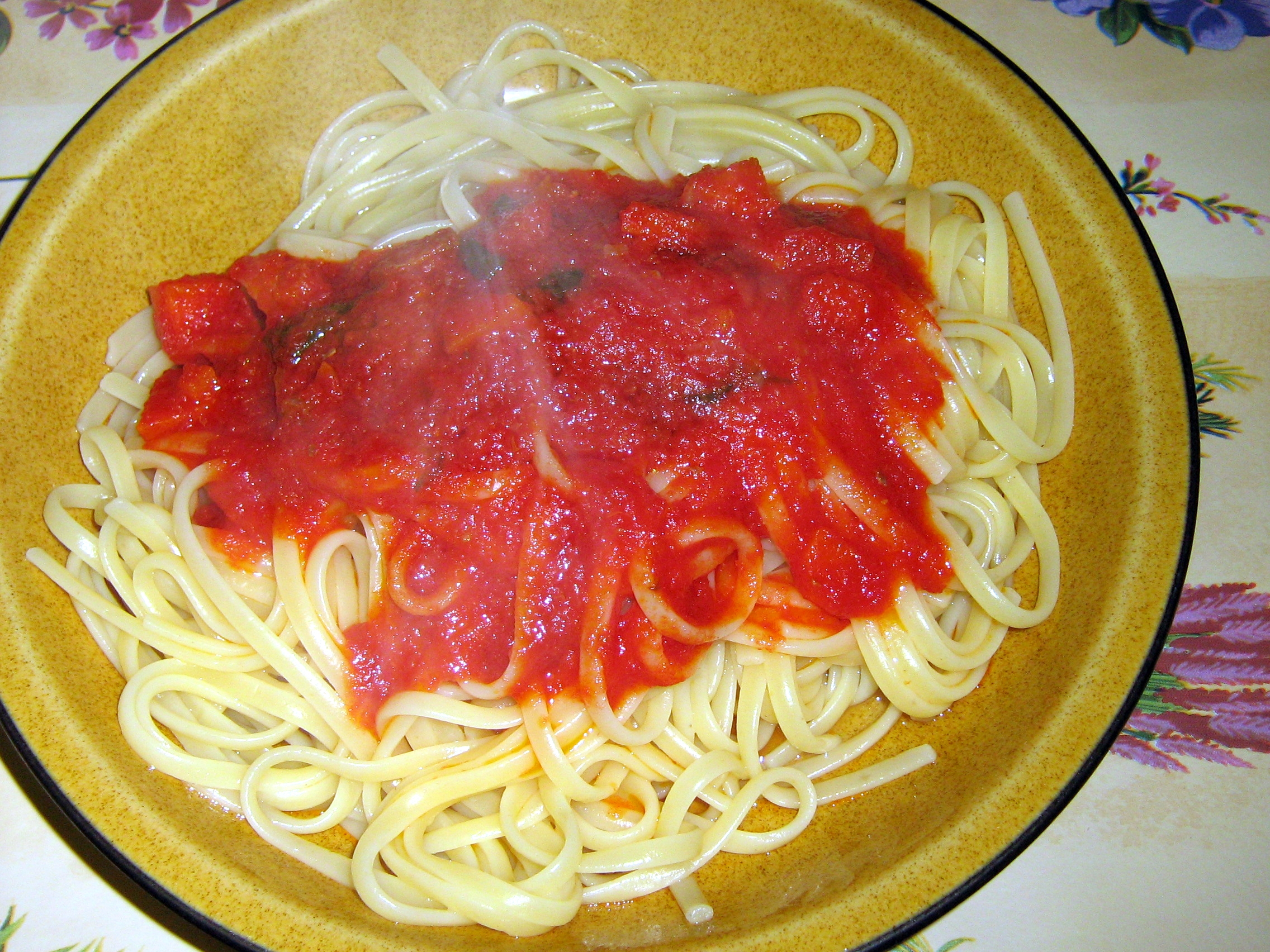
Rome gets the tourist crowds, but Bologna and the surrounding Emilia-Romagna region are widely considered Italy’s true culinary capital. This is the birthplace of Parmigiano-Reggiano, traditional balsamic vinegar, mortadella, and the ragù that most of the world knows — often inaccurately — as “spaghetti bolognese.” The regional pasta tradition runs deep and specific: tortellini in brodo, tagliatelle al ragù, and lasagne verde all originate here, made fresh daily in family-run pastifici.
Eating Like a Local in Emilia-Romagna
Quadrilatero, Bologna’s historic market district, is the best starting point, with butchers, cheese shops, and pasta counters packed into a few walkable streets near Piazza Maggiore. Day trips to Modena for balsamic vinegar tastings or Parma for prosciutto and parmesan producers turn a Bologna base into a full regional food itinerary.
Lyon: France’s Unofficial Food Capital
Lyon rarely gets the international attention Paris does, but French chefs have long treated it as the country’s true culinary heart. The city’s bouchons — small, traditional restaurants serving hearty regional dishes like quenelles, coq au vin, and salade lyonnaise — offer a more approachable, less formal entry point to French fine dining traditions than a Michelin-starred Paris restaurant. Lyon’s position at the meeting point of Beaujolais, Burgundy, and the Rhône Valley also makes it a strong base for wine-focused day trips.
Barcelona’s Neighbor in Spirit: Basque Country’s San Sebastián
San Sebastián has more Michelin stars per capita than almost anywhere in the world, but its most distinctive food culture happens at bar height. Pintxos — the Basque cousin of tapas — are laid out along bar counters across the old town, and the local custom of hopping between several bars for one or two pintxos each, rather than settling into a single restaurant, makes for one of Europe’s most social ways to eat dinner.
Budgeting for a Food-First Trip
These four cities span a wide price range, which makes it easy to mix splurges with everyday eating. Bologna and San Sebastián both offer exceptional pintxos and market food for just a few euros a plate, making it possible to eat extremely well on a modest daily budget outside of one or two reservation-only meals. Barcelona sits in a similar range, with tapas bars offering small plates for €4–€8 alongside pricier seafood restaurants along the coast. Lyon tends to run slightly higher across the board, reflecting France’s generally higher restaurant pricing, though bouchons remain more affordable than formal Michelin-starred dining.
A useful rule of thumb: budget for one or two reservation-worthy meals per city, and let markets, bars, and casual counters cover the rest. That mix usually delivers a more complete picture of local food culture than a schedule packed entirely with formal restaurants.
Planning a Culinary-First Trip
A few practical points make a food-focused itinerary work better:
- Visit markets in the morning, when stalls are freshest and locals — not tour groups — dominate the foot traffic.
- Book standout restaurants well ahead; the best-known spots in food-forward cities fill up weeks in advance, especially for dinner.
- Balance one or two splurge meals with plenty of market snacking and casual bar food, which is often where the most memorable bites happen anyway.
- Learn a few basic food-related phrases in the local language — it goes a long way with market vendors and small, family-run restaurants.
A Practical Takeaway
The best food cities in Europe reward travelers who build their schedule around meals rather than squeezing food in between landmarks. Skift’s coverage of culinary tourism trends has noted growing traveler interest in food-first itineraries over traditional sightseeing-heavy trips, and these four cities are a strong proof of concept: each offers enough depth to justify a dedicated visit, from Barcelona’s market stalls to Bologna’s pasta counters. For further trip planning, Condé Nast Traveler’s roundup of top food cities and Travel + Leisure’s food and drink section are useful for building out a longer culinary itinerary.
Conclusion
Whether it’s a Barcelona market morning, a Bologna pasta-making class, a Lyon bouchon dinner, or a San Sebastián pintxos crawl, the best food cities in Europe share a common thread: eating isn’t an afterthought to sightseeing, it’s the main event. Pick one city, plan around its market hours and meal rhythms, and the rest of the trip tends to fall into place.
Related Reads
Related Articles
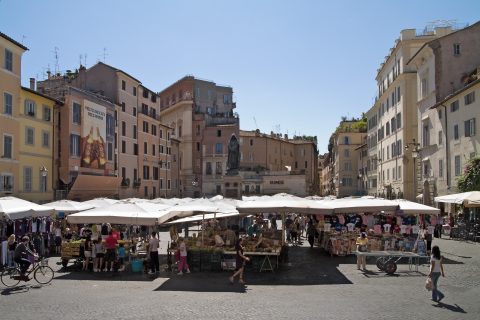
Where to Eat in Rome: Trattorias, Markets, and Roman Classics
A neighborhood guide to where to eat in Rome, from the Campo de' Fiori…
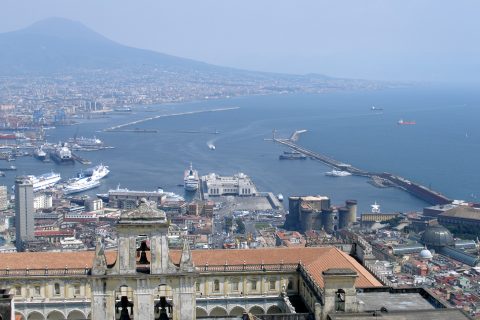
Where to Eat in Naples: Pizza, Markets, and Street Food
Where to eat in Naples, from the wallet pizza sold on Spaccanapoli to the…
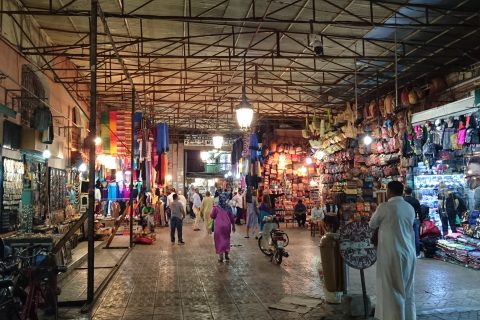
Where to Eat in Marrakech: Souks, Stalls, and Tagine
Where to eat in Marrakech, from Jemaa el-Fna's after-dark food stalls to the spice…