Where to Eat in Barcelona: Tapas and Markets Guide

Barcelona rewards travelers who eat their way through it neighborhood by neighborhood. Between the seafood counters of Barceloneta, the tucked-away tapas bars of the Gothic Quarter, and the stalls of La Boqueria market, figuring out where to eat in Barcelona can feel overwhelming. This guide breaks the city down by area, with a focus on the markets and tapas bars that define Catalan food culture.
Start at La Boqueria Market
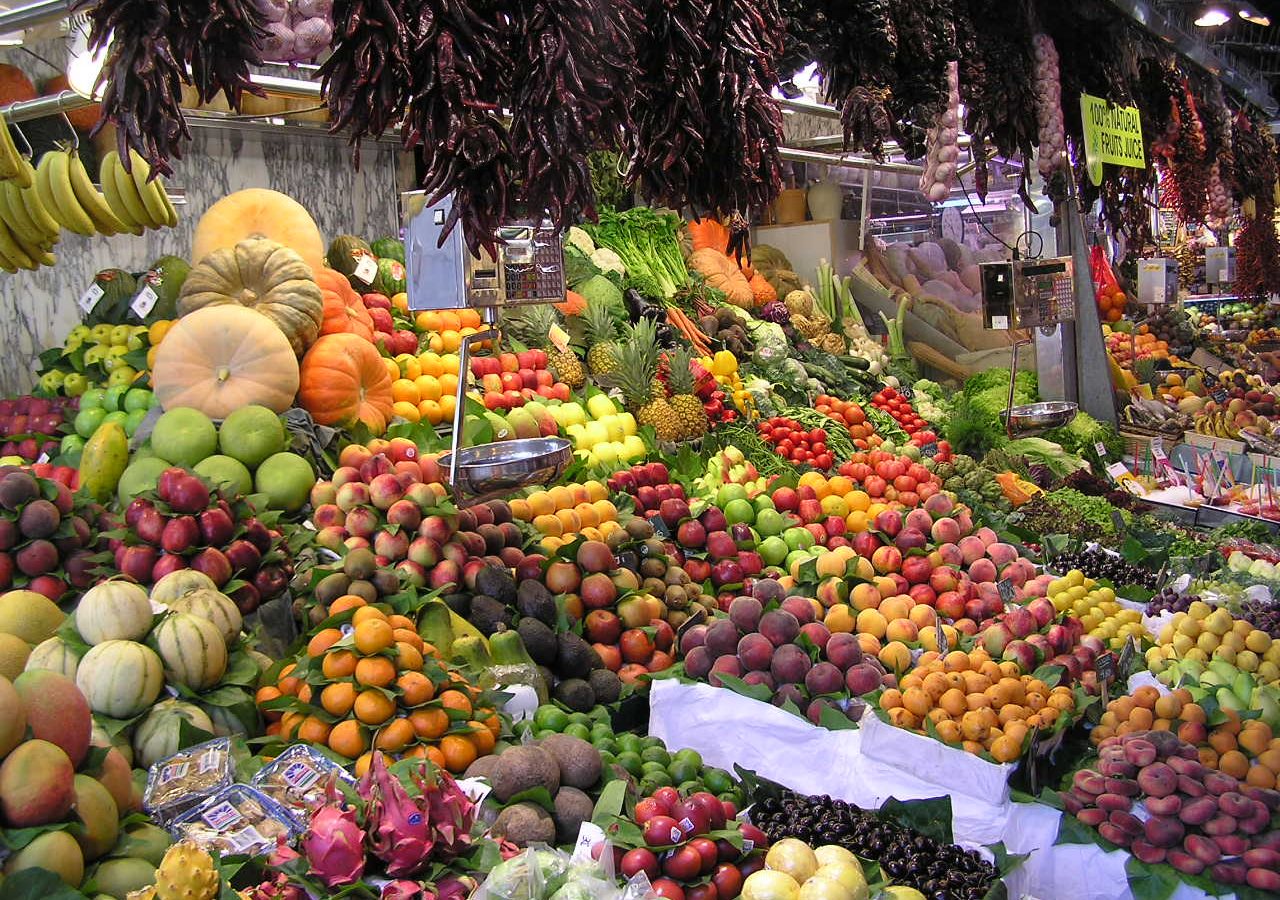
No food guide to Barcelona is complete without La Boqueria, the sprawling covered market just off La Rambla. Vendors have sold produce, seafood, and cured meats here since the 13th century, and the current Modernista ironwork building dates to 1914.
The market can feel touristy near the main entrance, but pushing further inside reveals stalls locals still rely on daily. Look for jamón ibérico counters, fresh-squeezed juice stands, and small bar counters serving tapas straight from the market’s own seafood and produce.
What to Order at La Boqueria
- Pa amb tomàquet: Toasted bread rubbed with ripe tomato and olive oil, a Catalan staple found everywhere in the city.
- Esqueixada: A cold salad of shredded salt cod, tomato, and onion, especially good in summer.
- Fresh oysters or razor clams: Several stalls shuck seafood to order at counter-height bars.
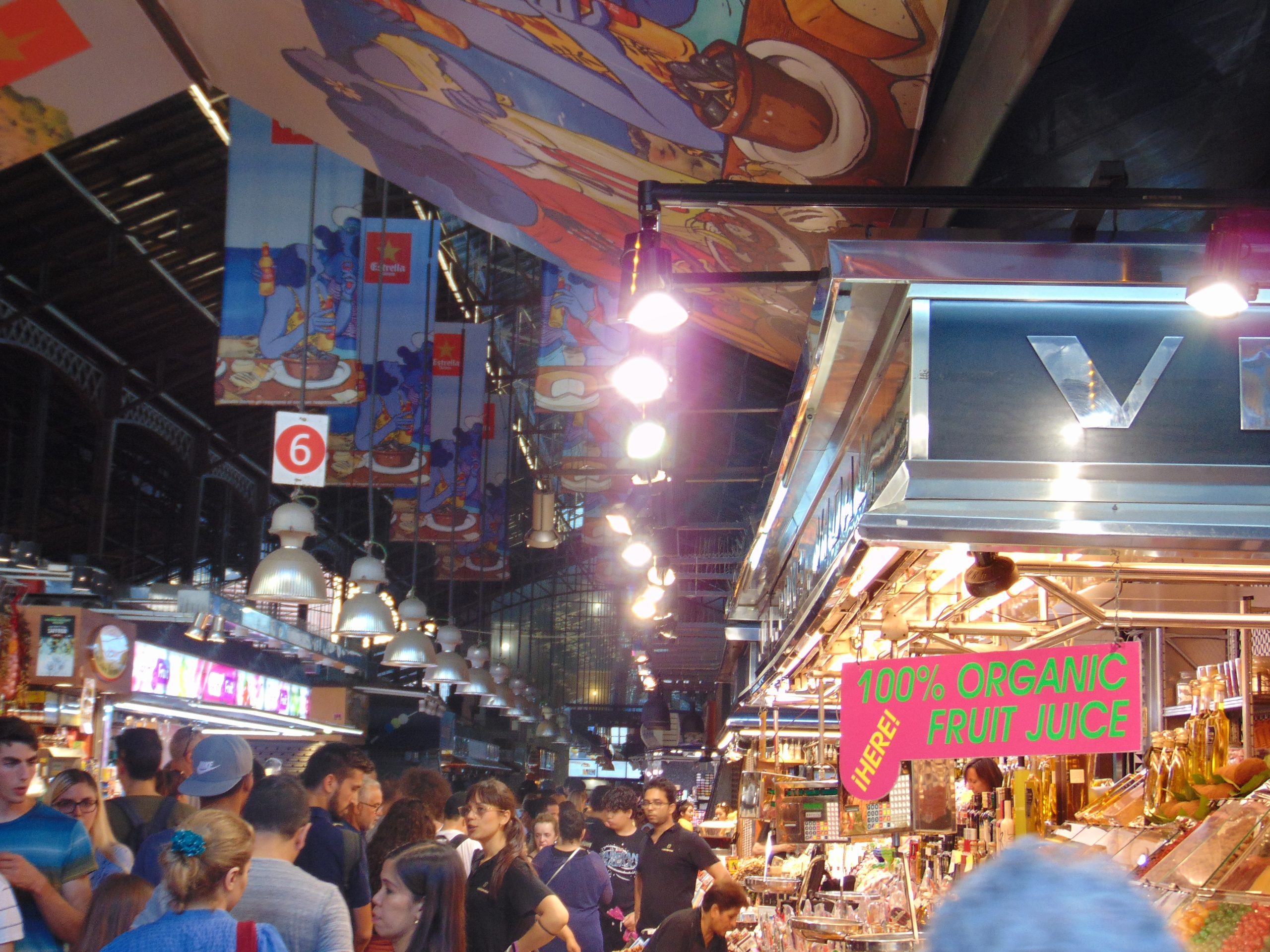
Stallholders at Boqueria have been selling fresh produce and seafood for centuries.
Tapas Bars in the Gothic Quarter and El Born
The narrow medieval streets of the Gothic Quarter and neighboring El Born hide some of the city’s best small-plate cooking. This is where tapas culture is easiest to experience the traditional way: standing at a crowded bar, ordering a few plates at a time, and moving on to the next spot.
Classic Tapas Worth Seeking Out
- Patatas bravas: Fried potatoes with a spicy tomato sauce and garlic aioli.
- Croquetas: Creamy béchamel-based fritters, often filled with jamón or wild mushroom.
- Pimientos de Padrón: Blistered green peppers, salted, with the occasional spicy one mixed in.
- Boquerones: White anchovies marinated in vinegar, a lighter counterpoint to the fried options.
Condé Nast Traveler has highlighted Barcelona’s tapas bar scene as one of Europe’s most consistent, noting that even modest, unassuming bars in the old town regularly produce standout small plates.
The market’s Modernista ironwork roof dates to 1914.
Barceloneta: The Seafood Neighborhood
Barcelona’s former fishing quarter, Barceloneta, remains the city’s best neighborhood for seafood. Grilled sardines, paella cooked over open flame, and fideuà — a noodle-based cousin of paella — are the neighborhood’s signature dishes. Restaurants closer to the beach tend to be more tourist-oriented and pricier; walking a few blocks inland toward the neighborhood’s residential streets usually turns up better value.
Gràcia: The Local’s Neighborhood
North of the city center, Gràcia has a noticeably more residential, less touristy feel. Its plaza-centered layout is full of small restaurants and wine bars that draw a largely local crowd. This is a good area to slow down and eat a full sit-down meal rather than bar-hop for tapas.
Travel+Leisure has described Barcelona’s dining identity as a balance between deeply traditional Catalan cooking and a modern, chef-driven scene, with both existing comfortably side by side across the city’s neighborhoods.
Vermouth Hour, Barcelona-Style
Before dinner, many Barcelonans observe “la hora del vermut,” a pre-meal ritual of sipping vermouth, usually house-made or from a local producer, alongside olives and small snacks. Look for bars advertising “vermut de grifo” — vermouth on tap — for the most traditional version, typically enjoyed around midday on weekends.
Practical Tips for Eating in Barcelona
- Eat late by design: Dinner rarely starts before 8:30 p.m., and many kitchens don’t open until then.
- Skip the picture-menu restaurants on La Rambla: These cater almost exclusively to tourists and rarely represent the city’s real food scene.
- Book ahead for well-known tapas bars: Popular spots in the Gothic Quarter and El Born can have long waits without a reservation.
- Ask for the day’s market specials: Many tapas bars post a chalkboard menu based on what’s freshest that day.
Sweet Endings: Where Barcelona Does Dessert Well
Catalan desserts rarely get the same attention as tapas, but they’re worth seeking out. Crema catalana, a custard with a caramelized sugar crust similar to crème brûlée, appears on nearly every traditional menu. Turrón, an almond nougat, is more of a holiday treat but shows up in specialty shops year-round. For something simpler, a small bakery pastry with a café con leche makes an easy mid-afternoon break between sightseeing stops.
Wine and Cava Pairings
Catalonia produces its own sparkling wine, cava, using the same traditional method as Champagne, and it’s typically far more affordable. Many tapas bars pour cava by the glass as a default aperitif rather than treating it as a special-occasion drink. For still wine, look for bottles from the Penedès region just outside Barcelona, which produces both reds and whites well suited to the city’s seafood-heavy menus.
Practical Takeaway
Structure a day of eating in Barcelona around neighborhoods rather than individual restaurants: start at La Boqueria for a market breakfast, move to the Gothic Quarter or El Born for an afternoon tapas crawl, and finish in Barceloneta or Gràcia for a proper sit-down dinner. Booking ahead for well-reviewed tapas bars avoids the longest waits.
Related reads: Planning more of Europe on the same trip? See our guide to castle hotels in Europe or our Santorini travel guide. If Barcelona is one stop among several, our tips on how to pack for a multi-city trip are worth a read before you go.
Final Thoughts on Eating Your Way Through Barcelona
Figuring out where to eat in Barcelona really comes down to pacing. The city rewards travelers who eat in small bites across several neighborhoods rather than committing to one big meal. Between the market stalls of La Boqueria, the tapas bars of the old town, and the seafood of Barceloneta, a few well-planned days of eating can cover the full range of what Catalan cooking has to offer.
Related Articles
Where to Eat in Rome: Trattorias, Markets, and Roman Classics
A neighborhood guide to where to eat in Rome, from the Campo de' Fiori…
Where to Eat in Naples: Pizza, Markets, and Street Food
Where to eat in Naples, from the wallet pizza sold on Spaccanapoli to the…
Where to Eat in Marrakech: Souks, Stalls, and Tagine
Where to eat in Marrakech, from Jemaa el-Fna's after-dark food stalls to the spice…