Castle Hotels in Europe: Where to Sleep Like Royalty

Sleeping inside a genuine European castle sounds like something reserved for royalty or history books. In reality, dozens of former fortresses across Ireland, Britain, and continental Europe have been converted into working hotels, and many are more accessible than travelers expect. Castle hotels in Europe range from grand five-star estates to modest, family-run inns tucked into centuries-old walls.
This guide looks at what makes a castle hotel worth the splurge, which properties consistently earn praise from travel publications, and how to choose the right one for a trip built around history rather than just a bed.
What Makes a Castle Hotel Different
Staying in a castle hotel isn’t just a marketing gimmick. The best properties preserve original stonework, turrets, and grand staircases while quietly updating plumbing, heating, and Wi-Fi behind the scenes. Expect thick walls, uneven floors, and the occasional narrow staircase — charming details that also mean these hotels rarely feel like standardized chain properties.
Grounds Matter as Much as the Building
Many castle hotels sit on estates with lakes, forests, or formal gardens, and the grounds are often as much a part of the experience as the rooms. Falconry displays, boat trips, horseback riding, and guided nature walks are common add-ons that set these properties apart from a typical city hotel.
Ashford Castle: Ireland’s Best-Known Castle Hotel
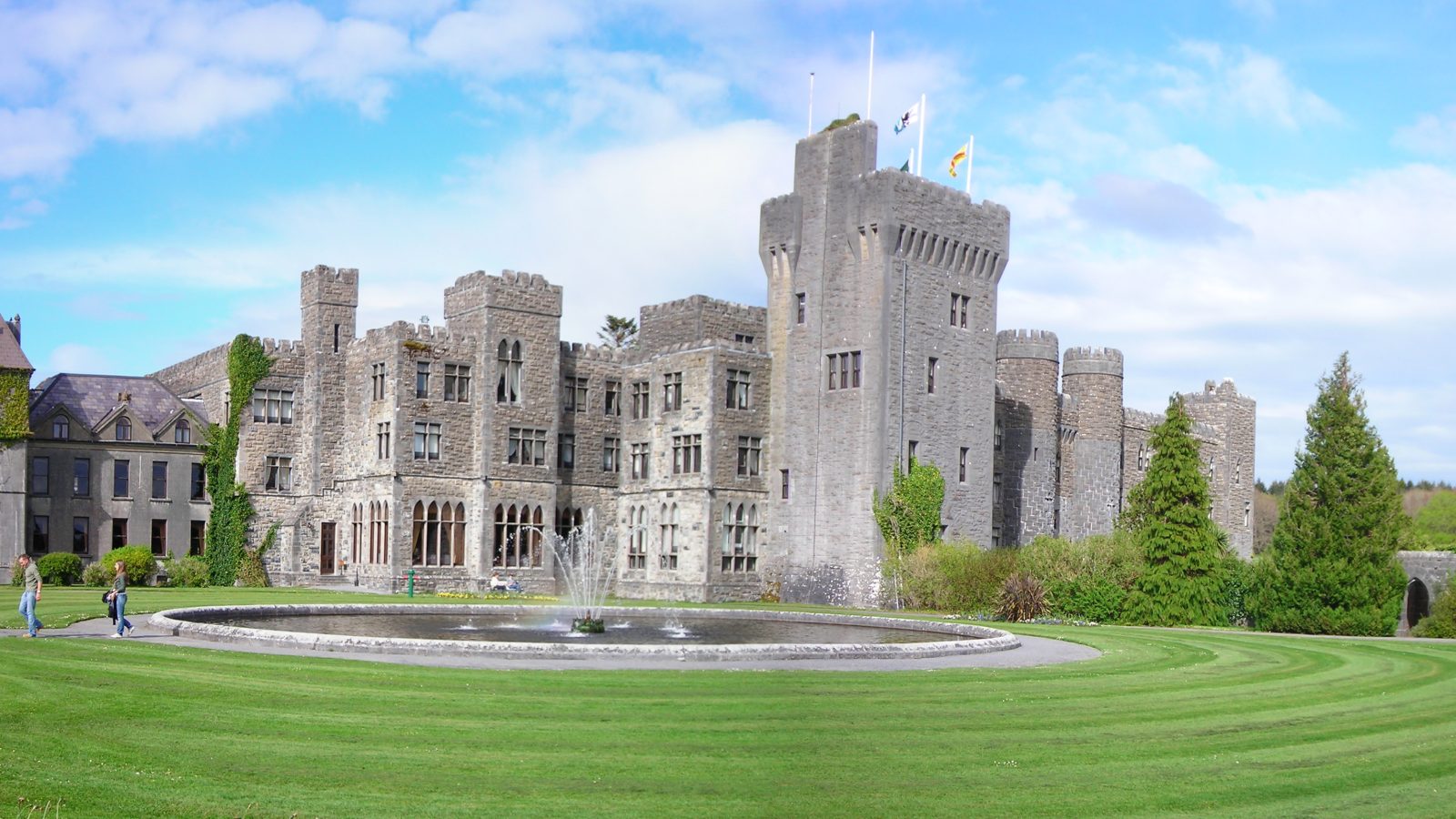
Ashford Castle in County Mayo is arguably Europe’s most famous castle hotel. Parts of the building date back to 1228, and the property sits on 350 acres along the shores of Lough Corrib. It has hosted heads of state and celebrities for decades, and its activity list includes falconry, cruises on the lake, and horseback riding through the estate.
Condé Nast Traveler has repeatedly ranked Ashford Castle among the top hotels in Ireland, citing its blend of historic grandeur and genuinely warm service as a rare combination in the luxury hotel category.
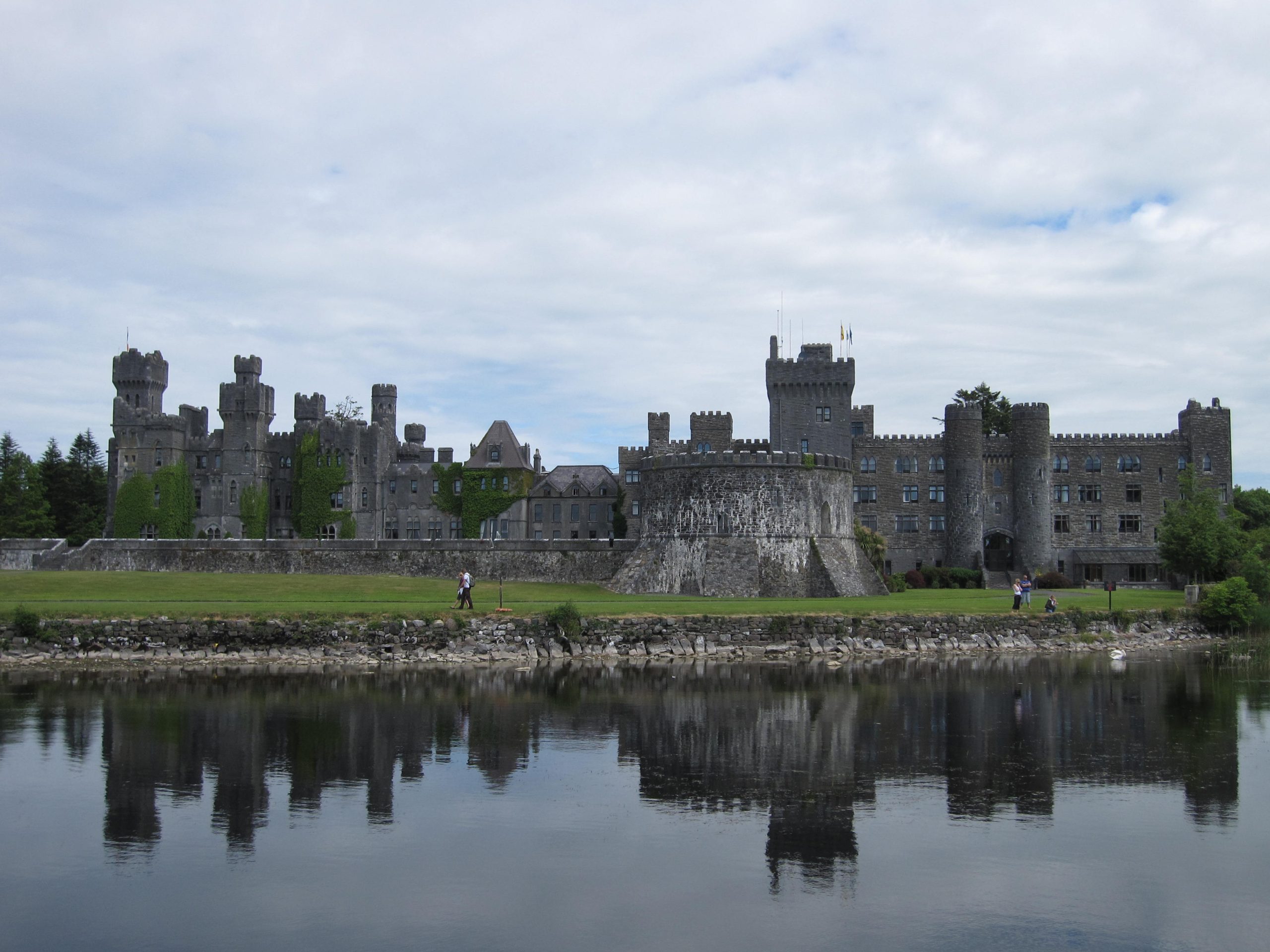
The castle’s lakeside setting on Lough Corrib is part of its appeal as a hotel.
Smaller, More Affordable Castle Stays
Not every castle hotel comes with a five-star price tag. Smaller historic properties, like the Castle Hotel in Conwy, Wales, offer a taste of centuries-old architecture without the estate-level luxury pricing. These hotels tend to sit inside walkable historic towns, making them a practical base for exploring on foot rather than a self-contained resort experience.
What to Expect at a Mid-Range Castle Hotel
- Smaller rooms, often with sloped ceilings or exposed beams
- Fewer resort-style amenities like spas or multiple restaurants
- Prime locations inside historic town centers
- Lower nightly rates than large countryside estates
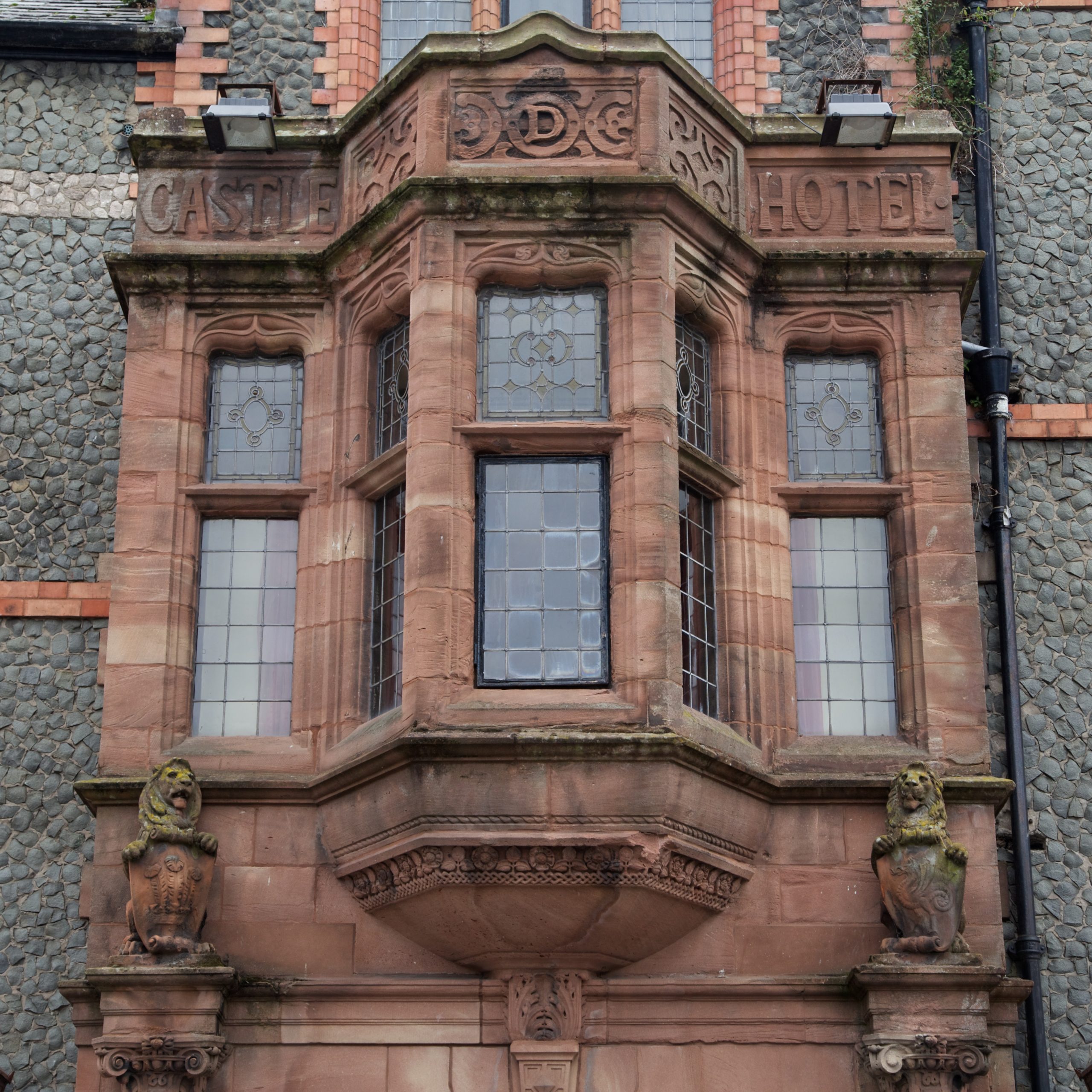
Smaller historic castle hotels, like this one in Conwy, Wales, offer a more affordable way to sleep inside centuries of history.
Regions With the Most Castle Hotel Options
- Ireland: Ashford Castle, Dromoland Castle, and Adare Manor lead a strong cluster of countryside castle hotels, several with golf courses and equestrian centers.
- Scotland: Highland castle hotels often pair historic architecture with whisky tastings and access to hiking and fishing.
- Wales and England: A wide range of smaller, town-based castle hotels offer historic charm at more moderate price points.
- France and Germany: Château hotels in the Loire Valley and Schlosshotels in Bavaria bring a distinctly continental European style, often paired with vineyards or forested estates.
Skift has noted that heritage and “sleep in history” properties have become a meaningful growth segment for luxury travel, as travelers increasingly look for accommodations that double as a destination rather than just a place to sleep.
What to Ask Before Booking
Not every room in a castle hotel is created equal. Some rooms sit in the original historic structure, while others are in newer extensions built to accommodate more guests. Before booking, it’s worth asking directly whether a room is in the original building, since the difference in character — and often price — can be significant.
Practical Considerations
- Accessibility: Original castle staircases are often narrow and steep, with limited elevator access. Travelers with mobility needs should confirm accessible room options in advance.
- Noise and insulation: Thick stone walls can mean excellent soundproofing, but older windows may not block outside noise as well as modern hotels.
- Seasonality: Countryside castle estates can feel remote in winter, when some outdoor activities and secondary dining venues may close.
Booking Directly vs. Through a Travel Agent
Many castle hotels, especially the larger estate properties, offer perks for direct bookings that don’t always show up on third-party sites — room upgrades, early check-in, or a complimentary estate tour. Specialist luxury travel advisors who work regularly with a specific property can sometimes secure similar perks, plus insider knowledge about which rooms have the best views or the quietest location on the grounds.
It’s worth comparing both routes before booking. A direct reservation is usually simplest for a short stay, while an advisor’s relationship with the hotel can pay off on a longer visit built around the property itself, such as a milestone anniversary or a multi-night countryside escape.
Pairing a Castle Stay With the Surrounding Region
Because most castle hotels sit outside major cities, they work best as part of a longer countryside itinerary rather than a single-night stopover. Ireland’s Ashford Castle, for example, pairs naturally with a broader loop through County Mayo and Galway. Scottish Highland castle hotels often anchor a longer road trip through the region’s lochs and distilleries. Building in at least two nights allows time to actually use the estate’s grounds and activities, rather than just passing through.
Practical Takeaway
Decide first whether the goal is a full luxury estate experience or simply a memorable night inside historic walls, since the two categories of castle hotel differ enormously in price and amenities. Book original-building rooms directly through the hotel when character matters most, and check what’s included — many countryside estates bundle activities like falconry or lake cruises into higher room rates.
Related reads: Planning a Mediterranean island trip too? Check our Santorini travel guide. Craving something more food-focused? See where to eat in Barcelona, or learn how to pack for a multi-city trip if a castle stay is just one stop on a longer itinerary.
Final Thoughts on Booking a Castle Hotel
The appeal of castle hotels in Europe comes down to something modern hotels simply can’t replicate: centuries of history built into the walls themselves. Whether it’s a grand countryside estate like Ashford Castle or a modest historic inn in a Welsh market town, the right castle hotel turns an overnight stay into a genuine piece of European history.
Related Articles
Lighthouse Hotels: Where to Sleep at the Edge of the Sea
Lighthouse hotels turn decommissioned beacons and keeper's cottages into some of the coast's most…
Vineyard Hotels: Where to Stay Among the Vines
Vineyard hotels turn working wine estates into overnight stays, from Tuscany's Brunello country to…
Riad Hotels in Marrakech: Where to Stay in the Medina
Riad hotels in Marrakech turn centuries-old courtyard houses into some of the medina's most…