Cave Hotels in Cappadocia: Where to Book a Stay Underground

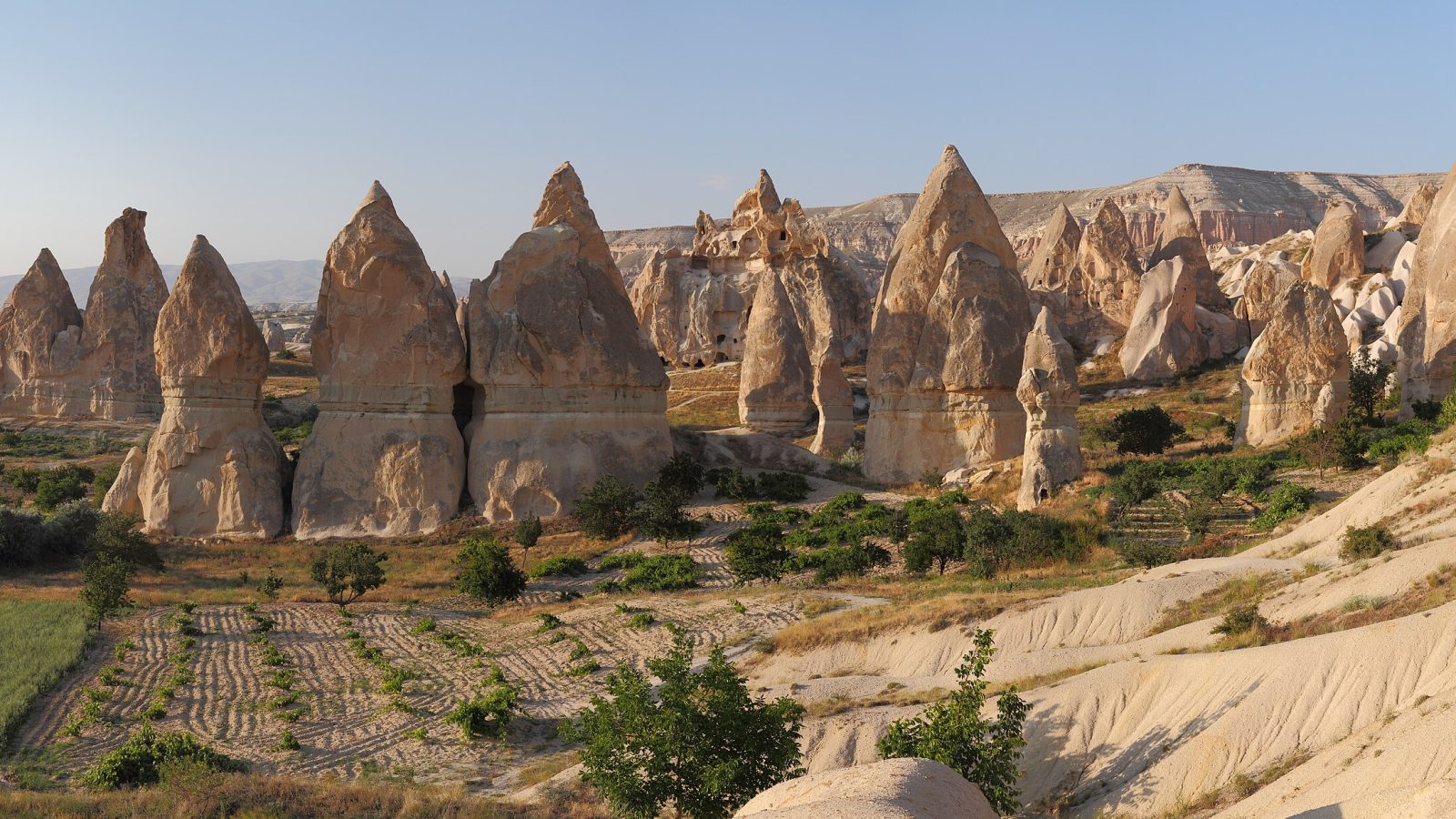
The best cave hotels in Cappadocia aren’t a gimmick built for photos — they’re carved into the same soft volcanic rock that locals have hollowed out into homes, churches, and storage cellars for more than a thousand years. Sleeping in one means a naturally cool, quiet room with curved stone walls, usually a short walk from a fairy chimney valley and a sunrise balloon launch site.
Why Cappadocia’s Cave Hotels Became a Bucket-List Stay
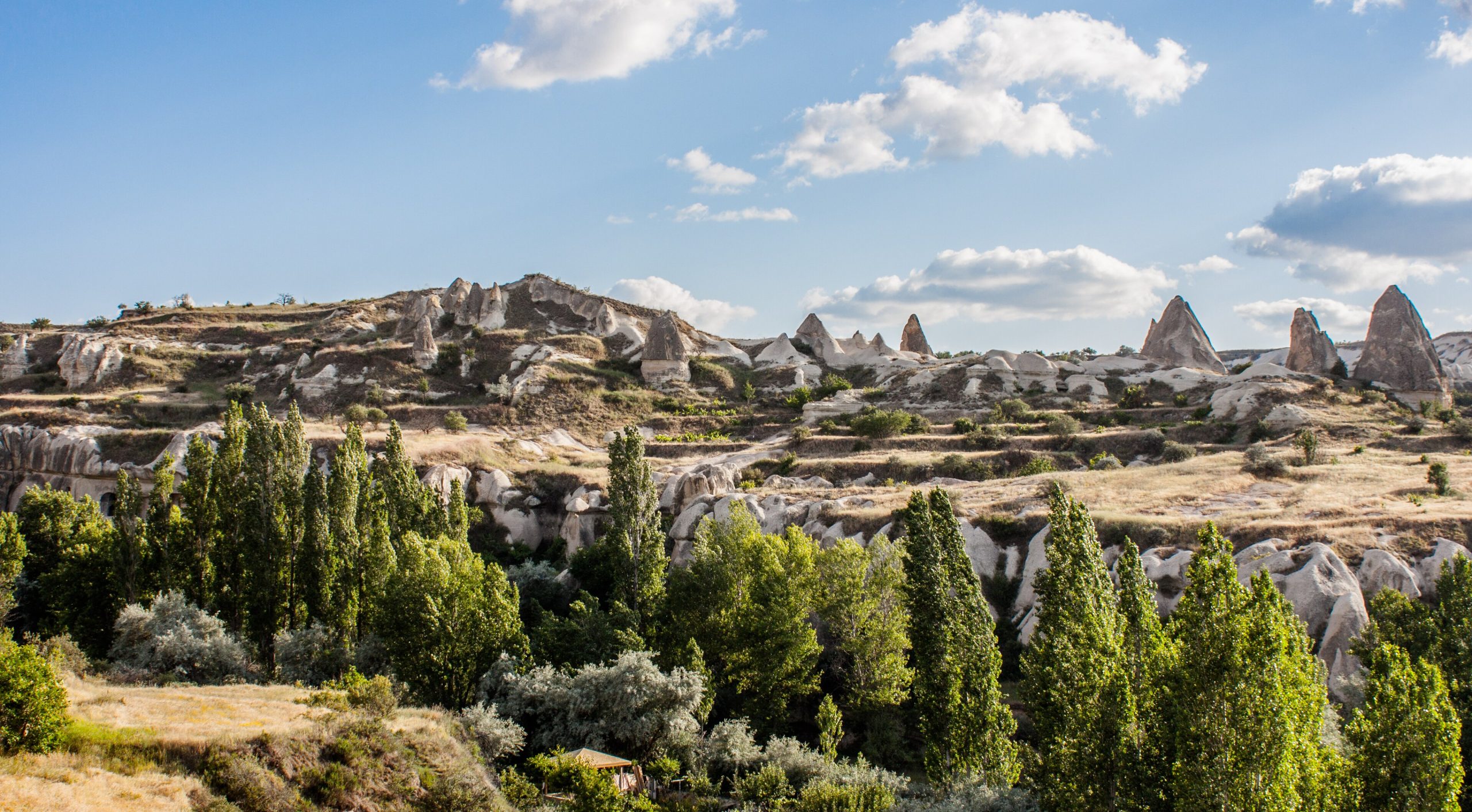
Cappadocia sits in Central Anatolia, Turkey, where a volcanic eruption millions of years ago left behind a soft rock called tuff. Wind and water eroded it into the region’s famous fairy chimneys, and for centuries residents carved rooms directly into the stone rather than building from scratch. Many of Göreme’s historic cave dwellings sit inside the Göreme National Park and Rock Sites of Cappadocia, a UNESCO World Heritage Site.
Hoteliers began converting these old rock houses into guest rooms in the 1990s, and the category has since grown into one of the most distinctive niches in boutique hospitality. Stone walls that stay naturally cool in summer and retain warmth in winter mean the format works year-round, not just as a novelty.
What to Expect From a Cave Room
Layout and Comfort
Rooms are typically smaller and more irregularly shaped than a standard hotel room, since builders work around the existing rock rather than pouring straight walls. Ceilings can be low in older sections, and bathrooms are often added as a modern retrofit within the stone. Most mid-range and upscale properties now include underfloor heating, proper plumbing, and reliable Wi-Fi despite the historic shell.
Noise and Temperature
Thick rock walls block outside noise almost completely, which makes cave rooms unusually quiet compared to a standard hotel. Temperature control is one of the format’s real advantages: the rock insulates against Cappadocia’s hot, dry summers and cold winters alike, often better than a conventional building.
Where to Stay: Göreme vs. Ürgüp
Göreme
Göreme is the most central base, within walking distance of the main balloon launch fields and a short drive from Göreme Open Air Museum. It has the largest concentration of cave hotels, ranging from simple guesthouses to luxury suites with private terraces overlooking the valley.
Ürgüp
Fifteen minutes from the fairy chimneys, Ürgüp trades a little convenience for a quieter, more residential feel. Several boutique properties here are built into restored 19th-century stone houses rather than the more compact rock dwellings found in Göreme, which suits travelers who want more spacious rooms.
Booking and Timing Tips
- Balloon flights depend on weather and can be canceled or rescheduled at short notice, so book a hotel with flexible cancellation if a flight is the main draw.
- April, May, September, and October offer the mildest weather and the best balloon-flying conditions.
- Rooms with a balloon view or private terrace sell out first during spring and fall — book at least two months ahead for peak season.
- Many cave hotels have narrow stone stairways and limited elevator access, so travelers with mobility needs should confirm accessibility before booking.
Making the Most of a Cave Hotel Stay
Pair It With a Balloon Flight
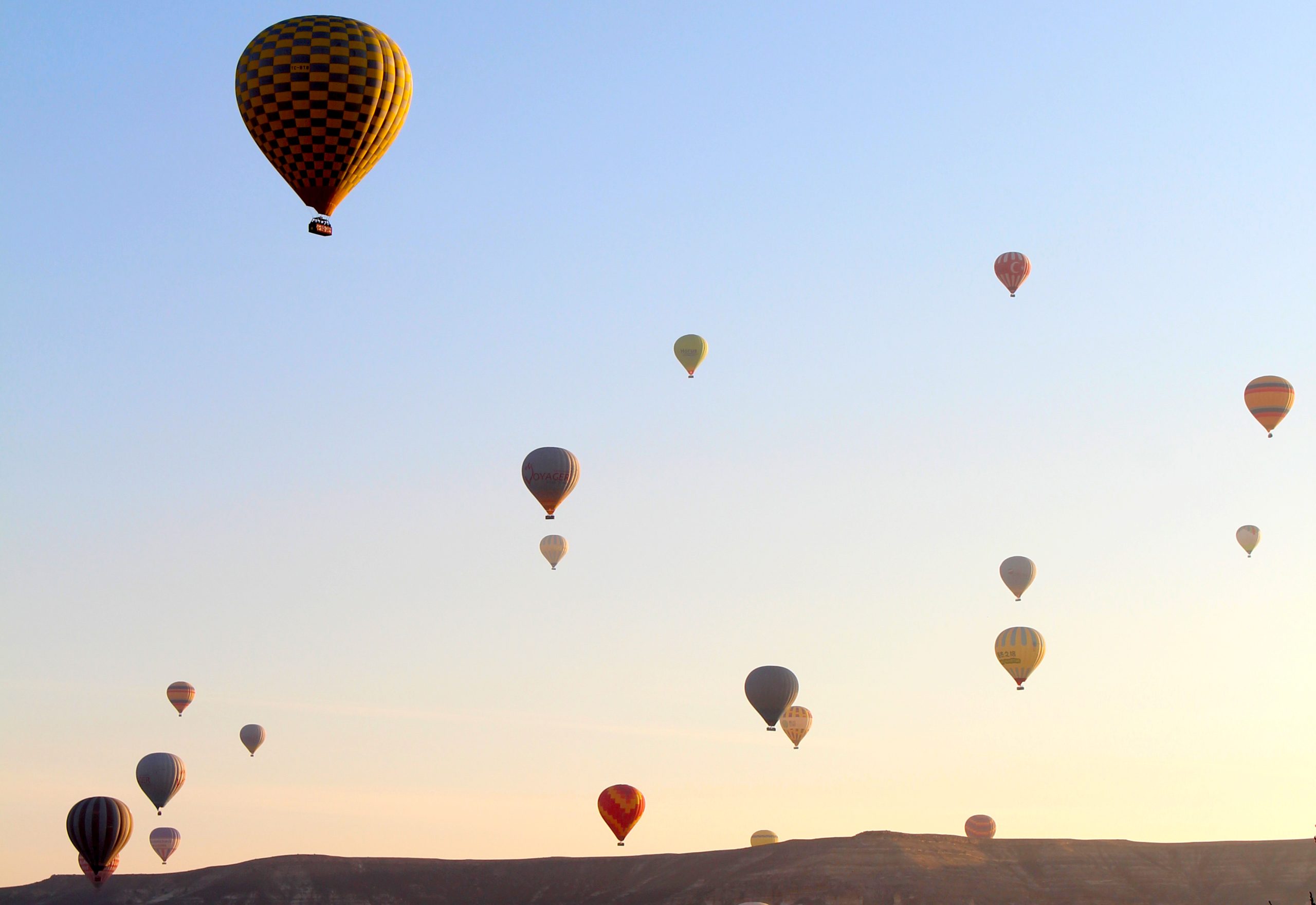
Most cave hotels can arrange a sunrise hot air balloon flight directly, since operators coordinate pickups from the main hotel clusters in Göreme and Ürgüp. Flights typically launch at first light, so an early cave-hotel breakfast or packed coffee is standard practice.
Explore Beyond the Hotel
Underground cities like Derinkuyu, rock-cut churches in Göreme Open Air Museum, and valley hiking trails between Göreme and Uçhisar are all within a short drive. A cave hotel stay works best as a base for two or three days of exploring rather than a single overnight.
What the Region’s Tourism Data Shows
Turkey’s Ministry of Culture and Tourism has cited Cappadocia as one of the country’s fastest-growing regions for boutique and heritage accommodation, driven largely by international demand for cave hotel stays. Condé Nast Traveler has similarly named Cappadocia’s cave properties among the most distinctive hotel experiences in Europe and the Middle East, pointing to the combination of historic architecture and modern comfort as the draw.
Practical Takeaway
Book a cave hotel in Göreme for convenience and balloon access, or Ürgüp for a quieter, more spacious stay. Confirm cancellation terms given how weather-dependent balloon flights are, and plan at least two full days to explore the valleys and underground cities beyond the hotel itself.
Conclusion
Craving a food-first trip next? See our guide to where to eat in Osaka for another destination built around distinctive local flavor. Cave hotels in Cappadocia work because they’re not a themed novelty — they’re a genuine continuation of how people have lived in this landscape for centuries, updated with modern plumbing and heating. Whether based in Göreme’s dense cluster of rock rooms or Ürgüp’s quieter stone houses, a cave hotel stay pairs naturally with sunrise balloon flights and valley hikes for one of Turkey’s most memorable trips.
Related Articles
Lighthouse Hotels: Where to Sleep at the Edge of the Sea
Lighthouse hotels turn decommissioned beacons and keeper's cottages into some of the coast's most…
Vineyard Hotels: Where to Stay Among the Vines
Vineyard hotels turn working wine estates into overnight stays, from Tuscany's Brunello country to…
Riad Hotels in Marrakech: Where to Stay in the Medina
Riad hotels in Marrakech turn centuries-old courtyard houses into some of the medina's most…