Monastery Hotels in Europe: Where to Stay Behind Ancient Walls

The trend has accelerated in recent years as luxury hotel groups look for properties with real architectural weight. A former convent in Antwerp reopened as a five-star hotel with multiple Michelin-starred restaurants. A 14th-century Dominican monastery in Taormina, Sicily, became a Four Seasons property that has hosted a G7 summit and film productions. These aren’t roadside curiosities; they’re some of the most sought-after addresses in European hospitality.
Why Monasteries Make Unusually Good Hotels
Monastic architecture was built around hospitality long before it became a business. Many religious orders, particularly the Benedictines, followed rules that required travelers to be received and housed, which means monasteries were often constructed with guest quarters, dining halls, and gardens already in mind. Converting one into a hotel is less of a stretch than it might seem.
What Stays the Same
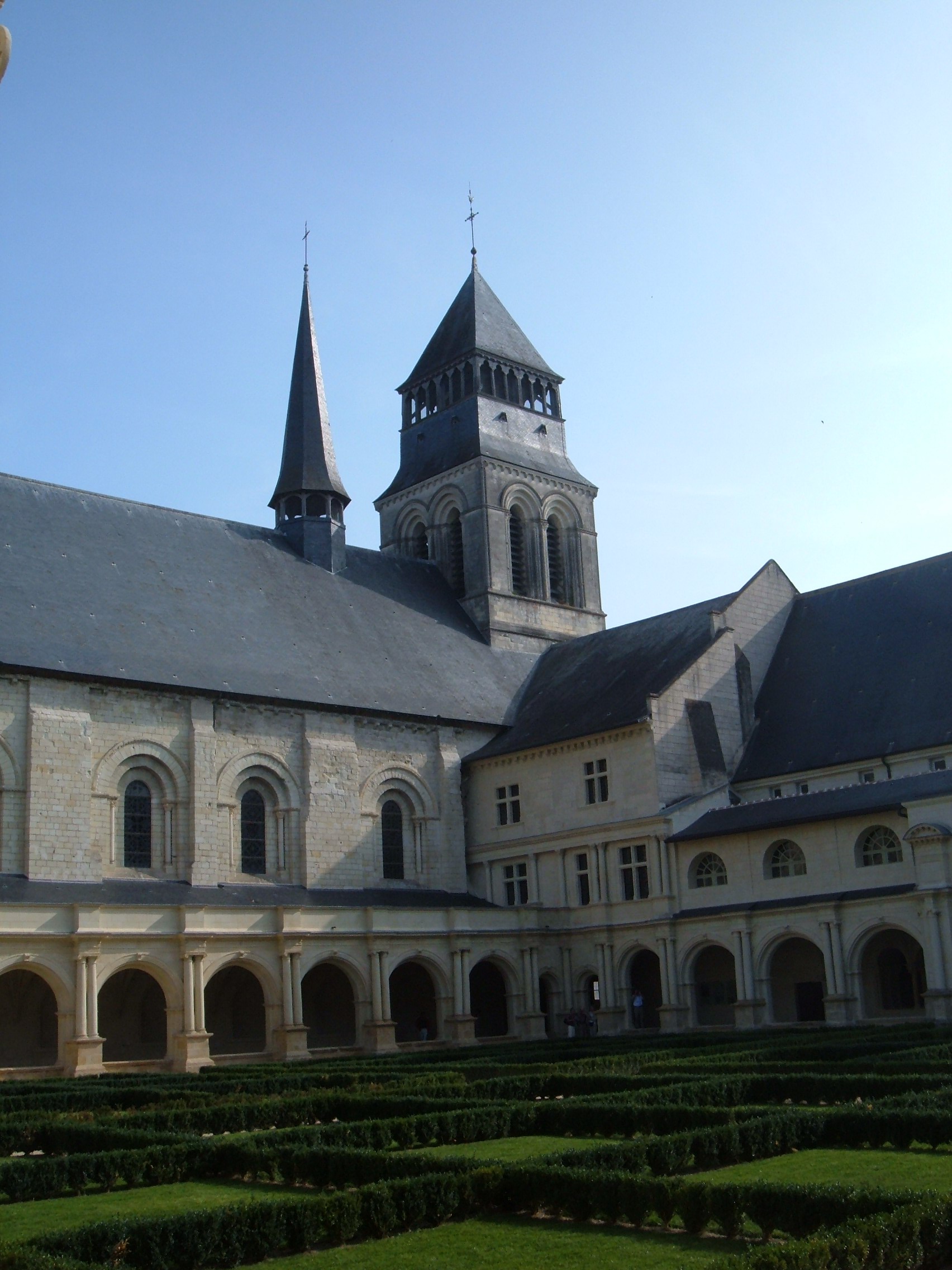
Most conversions go out of their way to preserve the original bones: vaulted ceilings, cloisters, chapel spaces, and thick stone or brick walls that keep rooms naturally cool and quiet. Guest rooms are frequently built inside former monks’ or nuns’ cells, which explains why rooms at monastery hotels tend to be more compact and simply laid out than a typical luxury hotel room, even at high price points.
What Gets Added
Spas are the most common addition, often built into former cellars or crypts where the cool, stable temperature suits treatment rooms and wine storage alike. Restaurants frequently take over the old refectory, the hall where monks once ate in silence, and now serve multi-course tasting menus instead.
Where to Find Monastery Hotels in Europe
Italy and France have the largest concentration of monastery-to-hotel conversions, though the trend reaches into Spain, Portugal, Belgium, and beyond.
- Italy: San Domenico Palace in Taormina, a 14th-century Dominican monastery turned Four Seasons resort with sea and Etna views
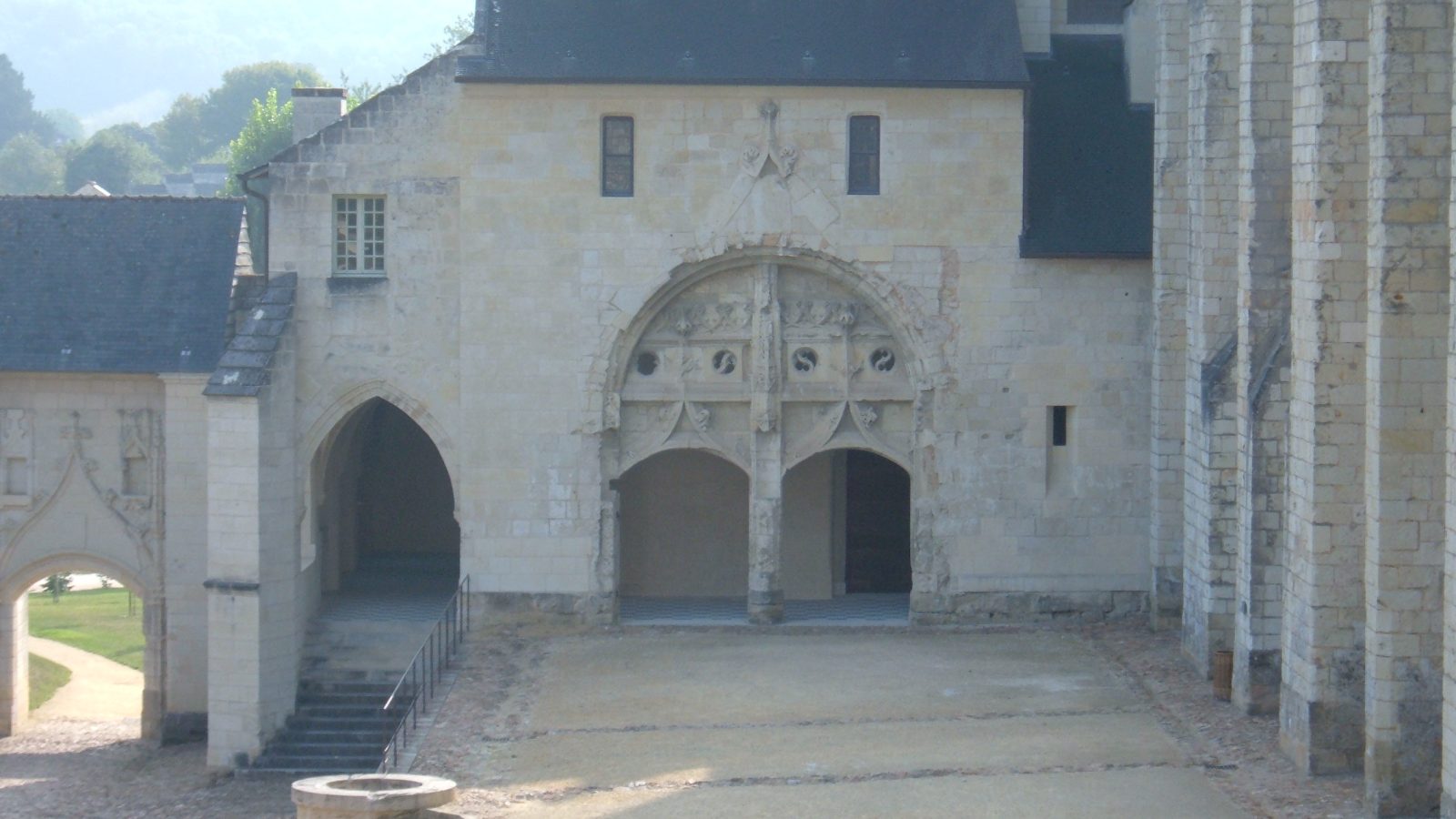
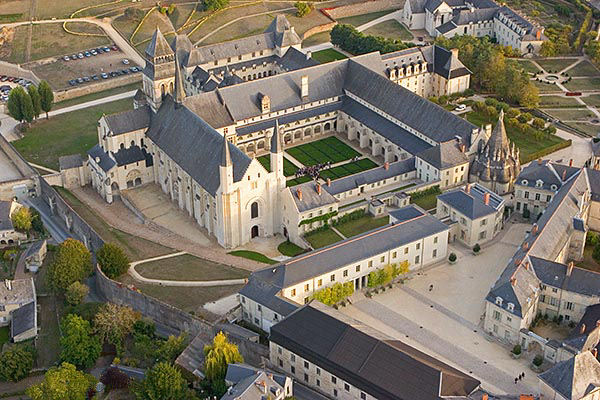
- France: Fontevraud, one of Europe’s largest monastic complexes, with a hotel built into its former priory buildings; Abbaye de la Bussière, a 12th-century Cistercian abbey in Burgundy wine country
- Czech Republic: The Augustine in Prague, built around a working 13th-century monastery still home to a small community of monks
- Spain: Terra Dominicata in Tarragona, a 12th-century Carthusian monastery and working winery
- Belgium: Botanic Sanctuary in Antwerp, a 13th-century monastery complex now home to multiple Michelin-starred restaurants
What to Expect From a Stay
Anyone booking a stay at a monastery hotel should expect quiet over flash. These properties tend to draw travelers looking for a slower pace: long breakfasts in a former refectory, walks through cloistered gardens, and rooms designed for rest rather than entertaining. Room sizes vary widely, since a former monk’s cell converted into a guest room will naturally be smaller than a purpose-built hotel suite, so it’s worth checking room dimensions before booking if space matters to you.
Booking Tips
- Ask whether the property is a working religious site; a handful, like the Augustine in Prague, still house an active community, which can affect noise levels and access to certain areas.
- Book spa treatments in advance, since former cellar and crypt spas tend to be smaller than standard hotel spas.
- Look for properties that highlight original architectural details in room descriptions; not every room in a converted monastery has vaulted ceilings or cloister views.
- Expect fewer rooms overall than a typical resort, since monastic buildings were rarely built at hotel scale.
Conclusion
Monastery hotels offer something increasingly rare in European travel: buildings with centuries of history that were designed, from the start, around rest and hospitality. Whether it’s a cliffside former convent in Sicily or a Cistercian abbey in the French countryside, these stays trade flash for genuine architectural weight and quiet. For travelers who want a hotel that feels like a destination in itself, a night behind ancient monastery walls is hard to match. And if a work trip is next on your calendar, our business travel packing list covers how to pack just as efficiently for it.
]]>Related Articles
Lighthouse Hotels: Where to Sleep at the Edge of the Sea
Lighthouse hotels turn decommissioned beacons and keeper's cottages into some of the coast's most…
Vineyard Hotels: Where to Stay Among the Vines
Vineyard hotels turn working wine estates into overnight stays, from Tuscany's Brunello country to…
Riad Hotels in Marrakech: Where to Stay in the Medina
Riad hotels in Marrakech turn centuries-old courtyard houses into some of the medina's most…