Boutique Hotels in Copenhagen: A Design-First 2026 Guide

Copenhagen has quietly become one of Europe’s best cities for a design-driven hotel stay. The boutique hotels in Copenhagen that get talked about aren’t sprawling luxury resorts — they’re small, considered properties where Danish furniture history, hygge comfort, and sharp modern styling all sit in the same room. If you’re planning a trip and want somewhere that feels like part of the city rather than a bubble away from it, here’s how to choose the right neighborhood and property.
Why Copenhagen Rewards a Boutique Stay
Denmark’s capital is compact, walkable, and famously design-obsessed, which makes it a natural fit for smaller hotels that put real thought into every room. Where a big international chain might optimize for scale, Copenhagen’s boutique properties tend to be run by people who care about the mattress, the coffee, and the vintage Arne Jacobsen chair in the lobby in equal measure.
That attention shows up in the details: locally roasted coffee at breakfast, staff who can point you to a neighborhood bakery instead of a chain, and interiors that borrow from the city’s Scandinavian design pedigree rather than a generic hotel playbook.
Nyhavn and the Historic Harbor
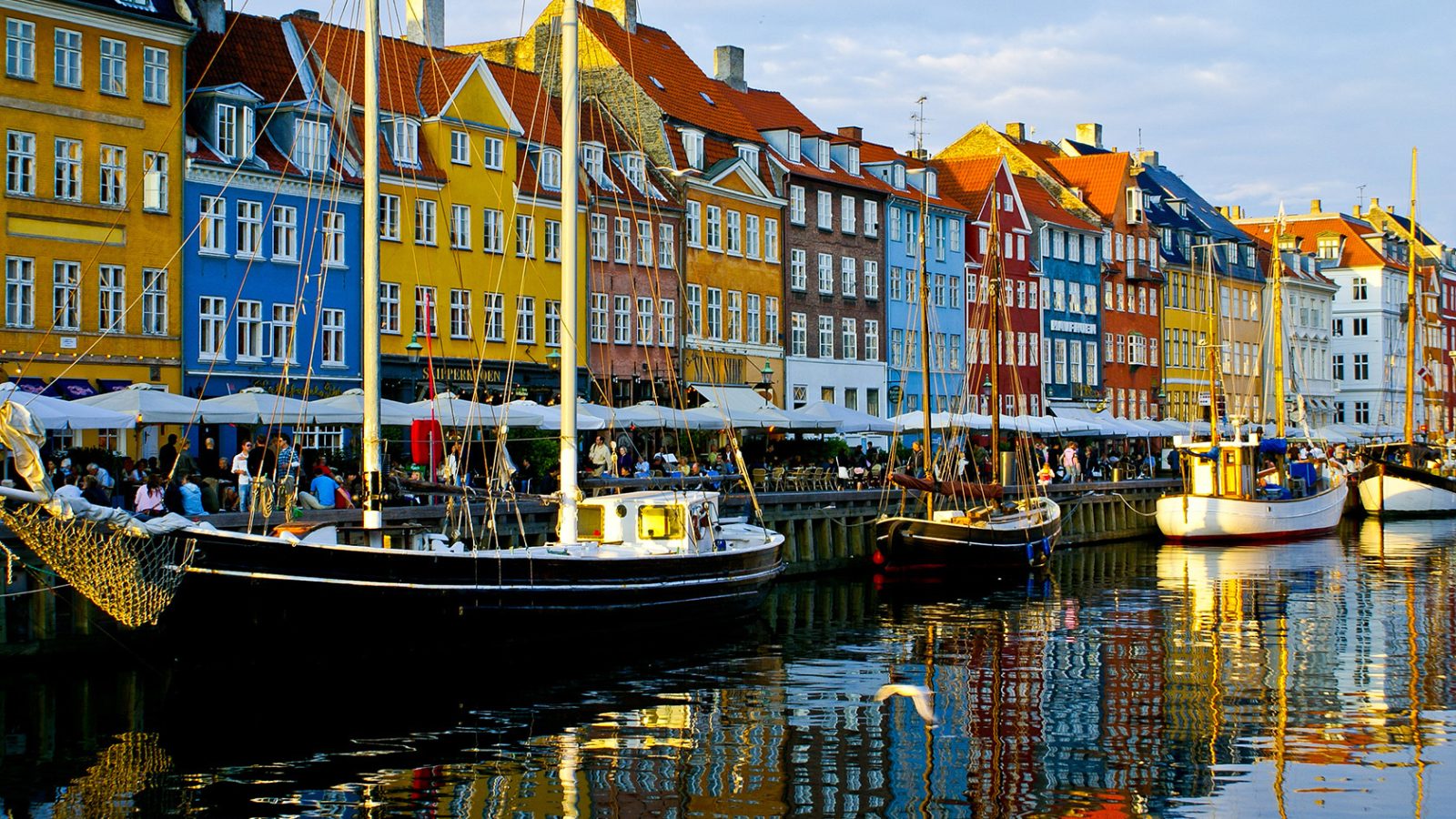
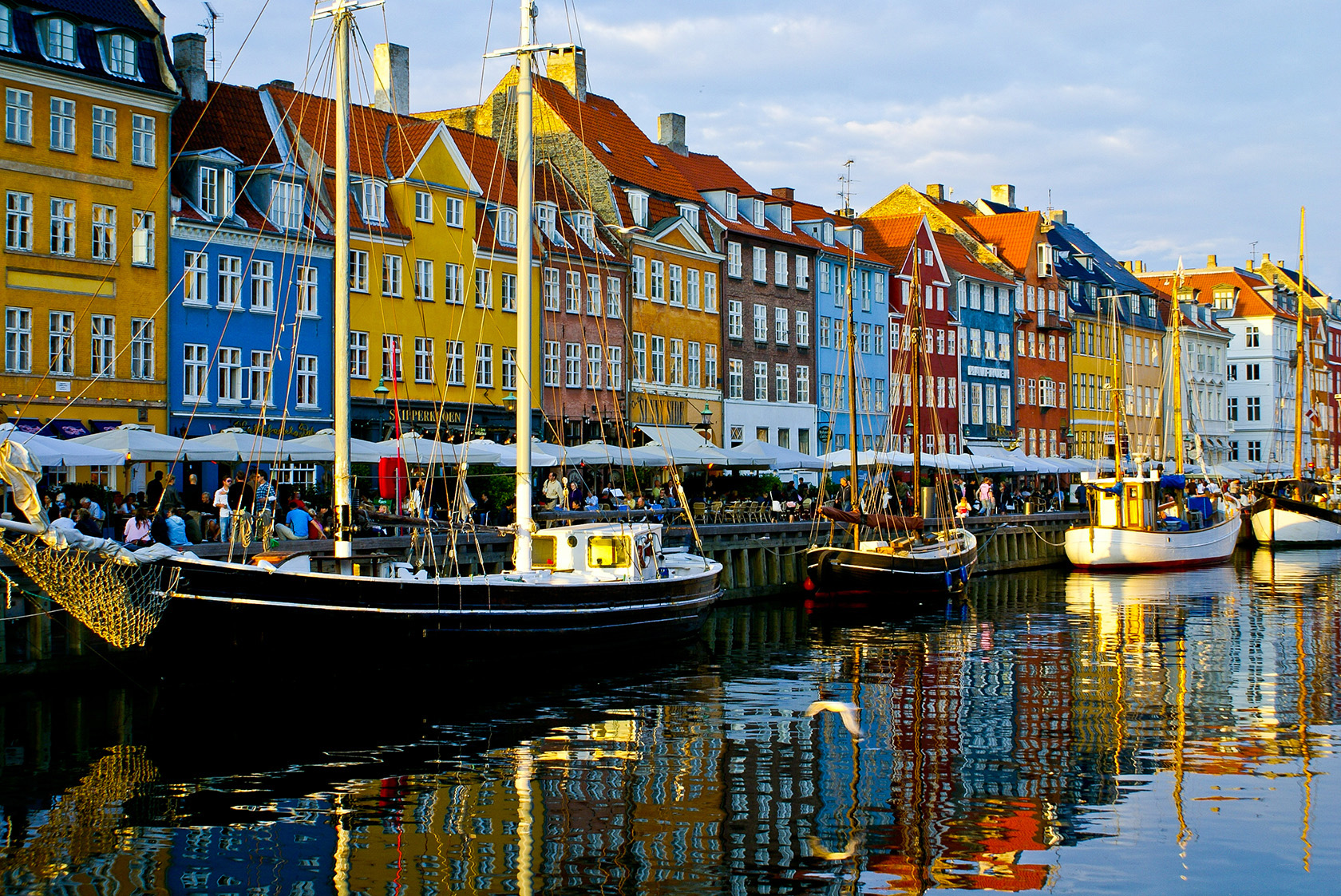
Nyhavn’s pastel townhouses are the image most people have of Copenhagen before they’ve even booked a flight, and the neighborhood delivers on that promise. Staying here puts you within a short walk of Kongens Nytorv, the Royal Danish Playhouse, and the canal tours that leave right from the quay.
What to Expect
Rooms in this pocket of the city tend to be smaller, reflecting the age of the buildings, but the trade-off is a genuinely historic setting. Ask for a canal-facing room if quiet isn’t your top priority; the harbor gets lively with cafés and live jazz in the warmer months.
For more on the history of the area, Visit Copenhagen’s official tourism site has a useful overview of Nyhavn’s transformation from working port to design-hotel destination.
Vesterbro: The Design-Forward Alternative
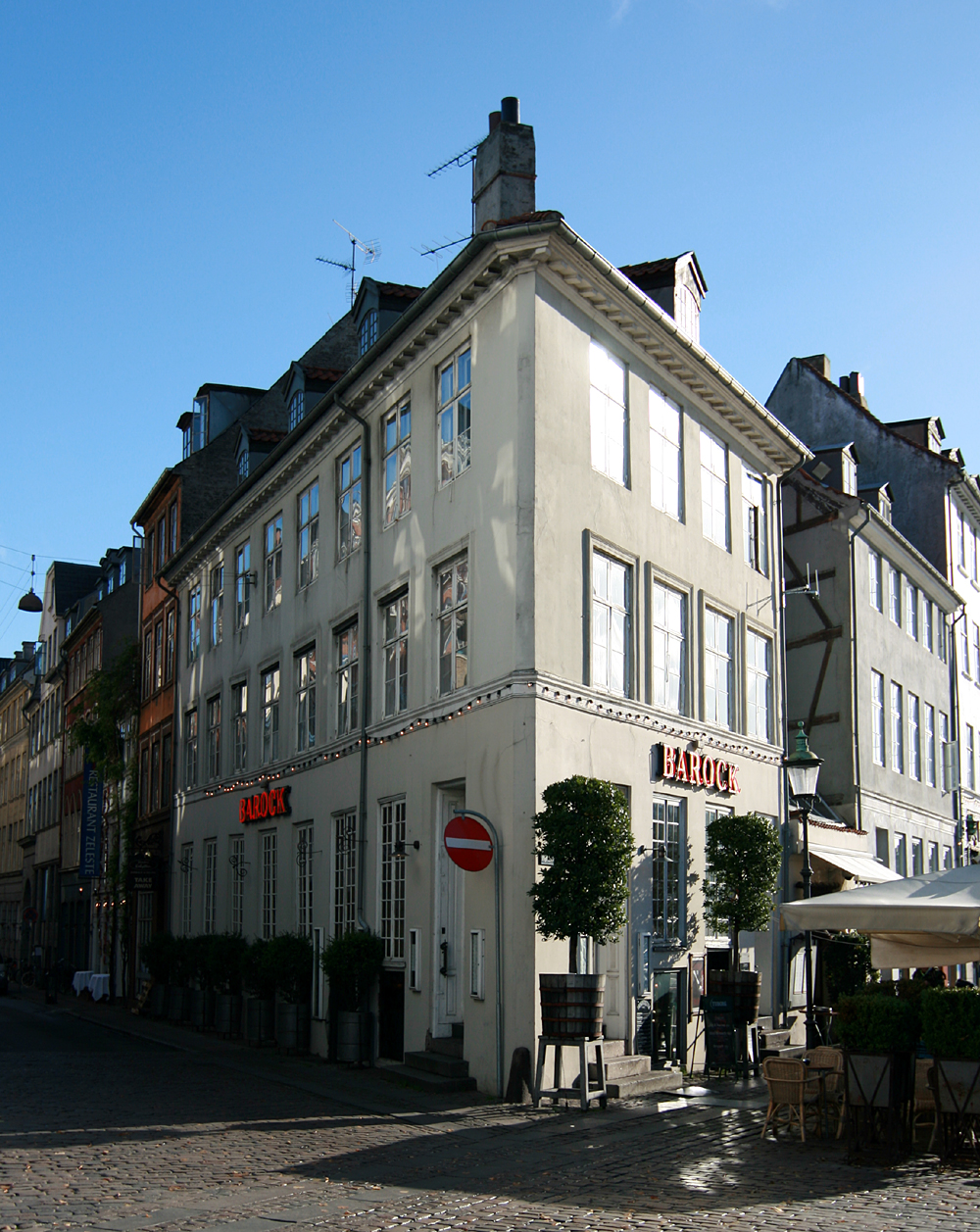
If Nyhavn feels too postcard-perfect, Vesterbro is where a lot of Copenhagen’s newer boutique openings have landed. Once a red-light district, the neighborhood has spent the last two decades turning into the city’s most design-literate quarter, packed with concept stores, natural wine bars, and hotels that lean into that identity.
Who It Suits
Vesterbro works best for travelers who want nightlife and a strong food scene within stumbling distance, plus quick access to Copenhagen Central Station and Tivoli Gardens. Rooms here often use the same furniture brands you’d see in a design museum, just built into a working hotel.
Frederiksberg: Quiet Streets, Serious Design
For a calmer base, Frederiksberg offers leafy residential streets a short bike ride from the center. Boutique properties here tend to be smaller conversions of townhouses, favoring a residential, almost apartment-like feel over a traditional hotel layout.
This is a smart pick for longer stays, families, or anyone who wants Copenhagen’s design sensibility without the crowds that build up around Nyhavn and Strøget in peak season.
What Actually Makes a Hotel “Boutique” Here
In Copenhagen specifically, a few markers separate genuine boutique properties from hotels simply using the word as marketing:
- Fewer than 100 rooms, often closer to 30–50
- Furniture from recognizable Danish names like Fritz Hansen, Carl Hansen & Søn, or ØGLB ØNDVIG-style independent studios
- Breakfast sourced from local bakeries rather than a buffet chain
- Independent ownership, or ownership by a small regional group rather than a global chain
- A building with real history — a former warehouse, townhouse, or shipping office
According to reporting from Condé Nast Traveler, this kind of small-scale, design-led hospitality has been one of the steadiest growth categories in Scandinavian travel over the past few years, and Copenhagen has led that shift more than any other Nordic capital.
Booking Tips for a Design-First Stay
Timing
May through September brings the longest daylight hours and the liveliest canal-side scene, but also the highest rates. Late autumn and winter bring lower prices and the chance to experience hygge exactly as Danes intended it — candlelight, wool blankets, and a city that slows down after dark.
Location Over Size
Because Copenhagen is so walkable, it’s usually smarter to prioritize neighborhood over room size. A smaller room in Nyhavn or Vesterbro will generally serve a short trip better than a larger property on the outskirts.
The Takeaway
Copenhagen doesn’t have a shortage of design credentials, and its boutique hotels are one of the clearest ways to experience that reputation in person rather than just in a museum. Whether you land in the postcard streets of Nyhavn, the creative energy of Vesterbro, or the quieter lanes of Frederiksberg, the city’s boutique hotels in Copenhagen tend to reward travelers who care as much about where they sleep as what they see during the day.
For more European city stays, see our guide to boutique hotels in Lisbon, our 48 hours in Kyoto itinerary, and if you’re packing for a shoulder-season trip, our cold-weather travel packing guide.
Related Articles

Lighthouse Hotels: Where to Sleep at the Edge of the Sea
Lighthouse hotels turn decommissioned beacons and keeper's cottages into some of the coast's most…

Vineyard Hotels: Where to Stay Among the Vines
Vineyard hotels turn working wine estates into overnight stays, from Tuscany's Brunello country to…

Riad Hotels in Marrakech: Where to Stay in the Medina
Riad hotels in Marrakech turn centuries-old courtyard houses into some of the medina's most…