Dubrovnik Travel Guide: Best Time to Visit and Where to Stay

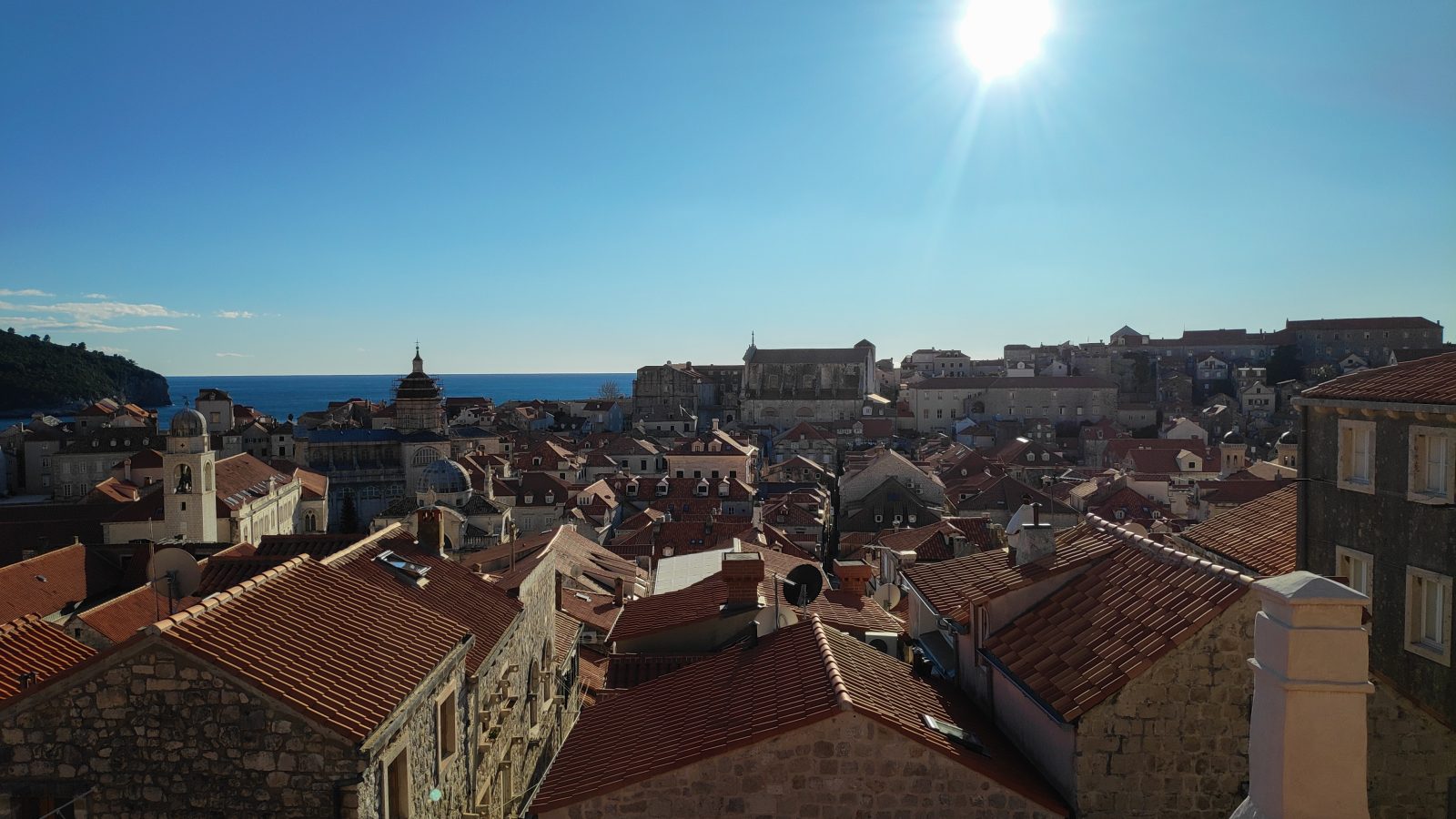
Few cities live up to their nickname quite like Dubrovnik. Croatia’s “Pearl of the Adriatic” pairs a UNESCO-listed walled Old Town with turquoise water on every side, and it draws travelers who want history, food, and a swim within the same afternoon. This Dubrovnik travel guide covers when to go, where to stay, and how to spend a few days without losing all your time to cruise-ship crowds.
When to Visit Dubrovnik
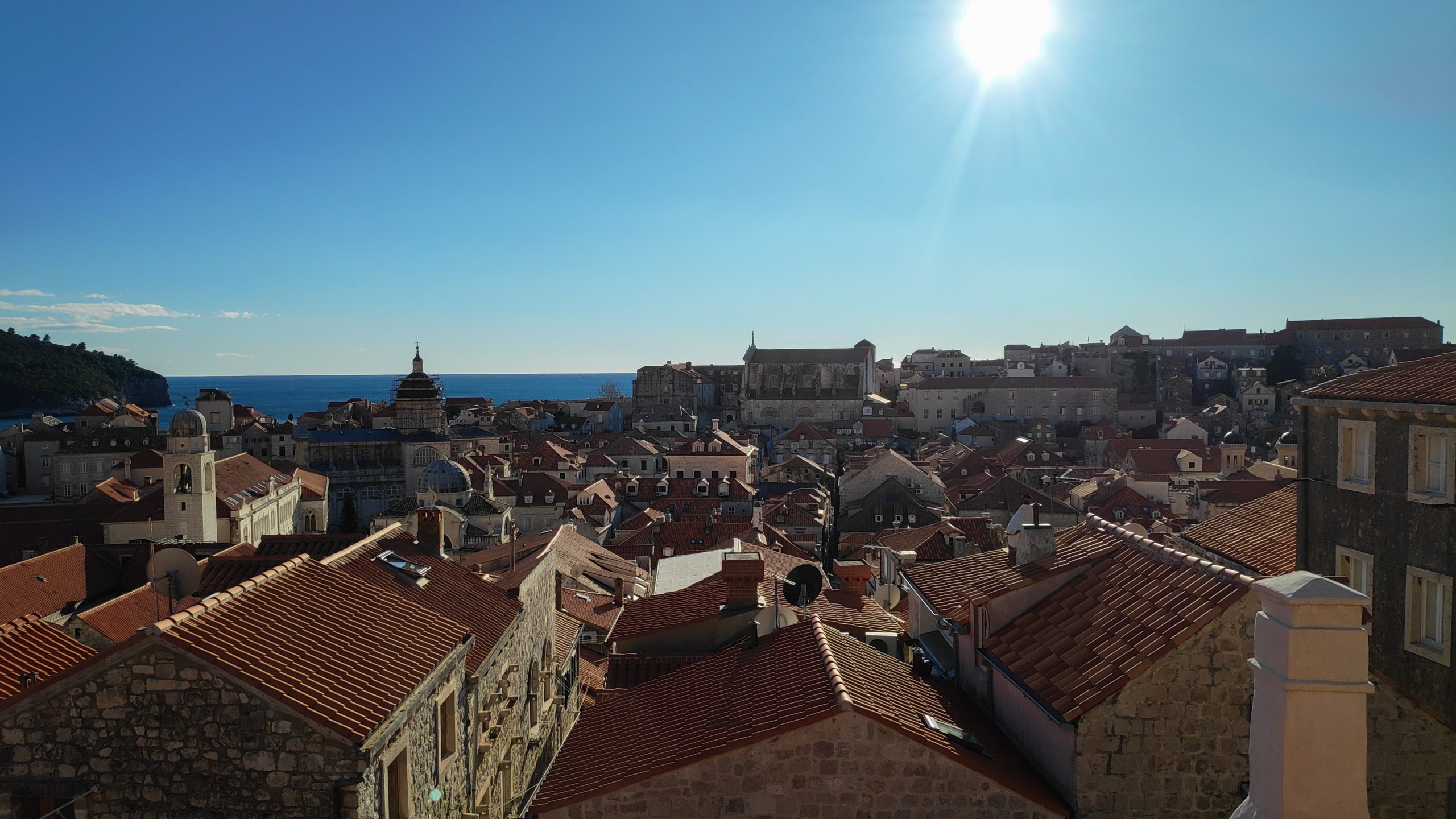
Timing shapes a Dubrovnik trip more than almost any other factor. The Old Town is compact, so a summer crowd surge can make the main street feel like a queue rather than a stroll.
Shoulder Season: The Sweet Spot
Late April through early June, and again from mid-September into October, bring warm, dry weather without the July and August crush. Sea temperatures stay swimmable into October, and hotel rates drop noticeably once the cruise ships thin out. Most repeat visitors and local guides point to these windows as the best time to visit Dubrovnik for a balance of good weather and manageable crowds.
Peak Summer
July and August bring the hottest, driest weather and the biggest crowds, with daytime temperatures regularly climbing past 30°C (86°F). The Dubrovnik Summer Festival runs through this stretch, filling open-air stages across the Old Town, but expect to book well ahead and to plan wall walks for early morning or early evening.
Winter
December through February is quiet and noticeably cheaper, though many restaurants and smaller attractions scale back their hours. It suits travelers who want a slower, more local pace and don’t mind cooler, occasionally rainy days.
Where to Stay in Dubrovnik
Choosing a neighborhood matters as much as choosing a hotel here, since the Old Town’s charm comes with noise, stairs, and summer crowds.
Inside the Old Town Walls
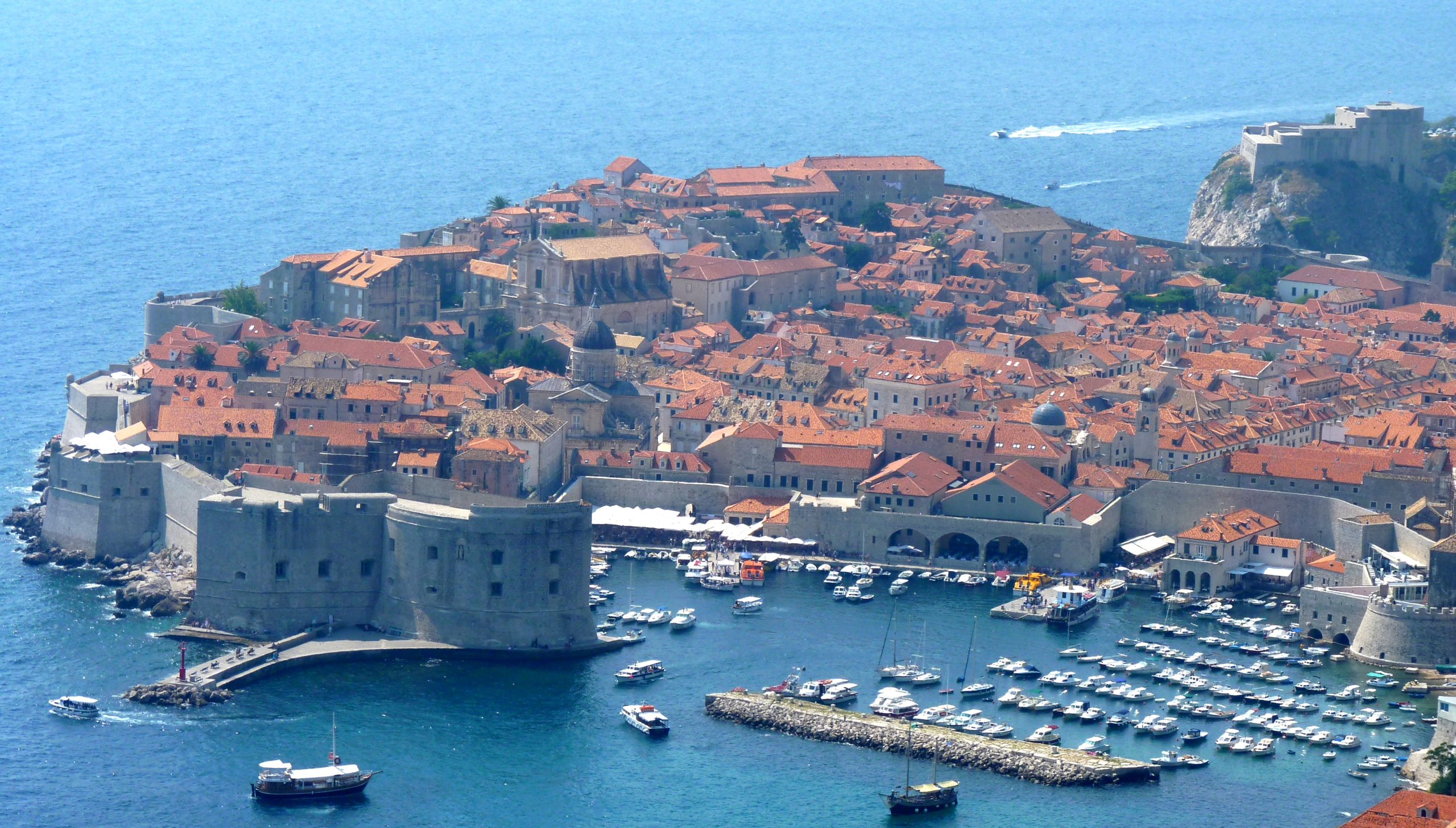
Staying within the walls puts you steps from the Stradun, the marble-paved main street, and lets you experience the city after day-trippers head back to their ships. Rooms tend to be smaller and pricier, and luggage often means navigating stone steps, but the atmosphere at dawn and after dark is hard to beat.
Ploče
Just east of the Old Town, Ploče offers upscale hotels with sea views and easy access to Banje Beach, all within a short walk of the Ploče Gate entrance. It’s a good middle ground for travelers who want proximity without the density of the walled city.
Lapad Peninsula
Lapad trades postcard views for value, space, and a resort-town feel, with its own beach, waterfront promenade, and a regular bus connection into the Old Town. Families and travelers on longer stays often prefer this base.
Getting Around and Planning Your Days
Dubrovnik’s Old Town is pedestrian-only and easy to cover on foot, though the city is famous for its steps, so pack shoes built for walking rather than flip-flops. A reliable bus network connects outlying neighborhoods like Lapad to the center, and taxis or ride-share are widely available for late-night returns.
A Simple Two-Day Outline
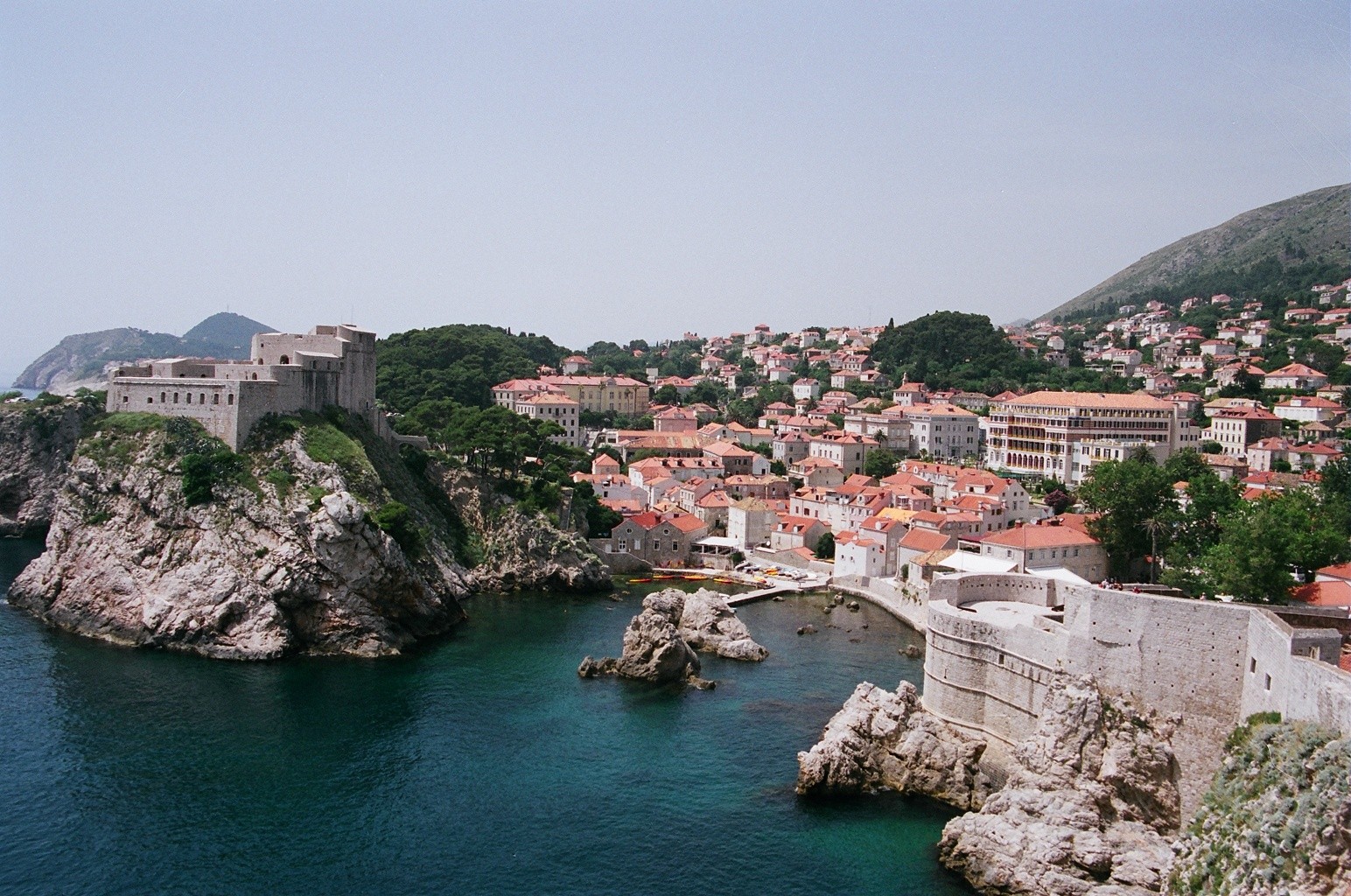
- Walk the 1,940-meter city walls early, before the midday heat and cruise crowds arrive.
- Explore the Stradun, Rector’s Palace, and the old harbor at a relaxed pace.
- Take the cable car up Mount Srđ for a panoramic view over the rooftops and coastline.
- Swim or relax at Banje Beach, then follow it with a Dalmatian seafood dinner.
- Day-trip to nearby Cavtat or the Elaphiti Islands for a quieter change of pace.
Beyond the Old Town
Most first-time visitors only see the walled city, but Dubrovnik has more to offer nearby. Trsteno Arboretum, the Konavle countryside, and the Pelješac Peninsula’s vineyards all make worthwhile half-day trips for travelers staying more than a couple of nights.
Budgeting for a Trip
Dubrovnik ranks among Croatia’s more expensive cities, particularly in peak summer. In July and August, a mid-range hotel room can run €150–€300 a night, with luxury options well above that. Shoulder-season prices typically drop by a third or more, and budget guesthouses outside the Old Town can start closer to €60–€80. Carrying some cash is worth it too, since smaller cafés and market stalls don’t always take cards.
Practical Tips for First-Timers
- Book city wall tickets and restaurant reservations ahead of time in summer.
- Walk the walls at opening time or in the late afternoon to avoid the worst heat and crowds.
- Pack sturdy, closed shoes for stone streets and steps, plus water shoes if you plan to swim off rocky beaches.
- Check ferry schedules in advance if you’re planning an island day trip, especially outside peak season.
If you’re building out a broader trip, pair a Dubrovnik stop with a change of pace at one of the glamping resorts now popping up across Europe, or read up on packing smart with this ski trip packing list if winter mountains are next on your list. For more on Croatia’s tourism numbers and UNESCO status, see the UNESCO World Heritage Centre.
Final Thoughts
A good Dubrovnik travel guide comes down to timing and location: visit in the shoulder season if you can, pick a base that matches your pace, and give yourself time beyond the Old Town walls. Do that, and Dubrovnik’s mix of medieval streets, dramatic coastline, and easygoing island trips more than earns its reputation as one of the Adriatic’s most rewarding destinations.
Related Articles
Vienna Travel Guide: Best Time to Visit and Where to Stay
This Vienna travel guide covers the best time to visit, where to stay between…
Seville Travel Guide: Best Time to Visit and Where to Stay
This Seville travel guide covers the best time to visit, where to stay between…
Seville Travel Guide: Best Time to Visit and Where to Stay
This Seville travel guide covers the best time to visit, the sights worth building…