Road Trip Packing List: What to Bring for a Long Drive

A solid road trip packing list looks nothing like an airplane packing list, and treating it the same way is where most first-timers go wrong. With no baggage limits but real trunk space constraints, and hours of driving instead of a single flight, road trips reward different priorities: easy access, smart organization, and a few car-specific essentials that never make a carry-on list.
Why Road Trip Packing Is Its Own Skill
Flying forces discipline through weight and size limits. Driving removes that constraint entirely, which is exactly why road trips tend to end in overpacked trunks and a backseat you can’t see out of. The real challenge isn’t fitting everything in — it’s organizing it so you’re not unpacking the whole car every time you need sunscreen or a phone charger.
Multi-stop road trips add a second layer: what you need at 2 p.m. on the highway is different from what you need at a hotel that night, and packing them identically slows down every stop.
Packing the Trunk: Zones, Not Piles
The Overnight Bag
Pack a separate small bag with just what you need for one hotel stop: a change of clothes, toiletries, chargers, and any medication. This keeps you from hauling full suitcases in and out of hotels at every overnight stop.
The Reach-Zone Bag
Keep a bag or basket within arm’s reach of the front seat for snacks, sunglasses, wipes, phone chargers, and paper maps or printed directions as backup. This is the single biggest time-saver on a long drive, since it avoids pulling over to dig through the trunk.
The Main Luggage
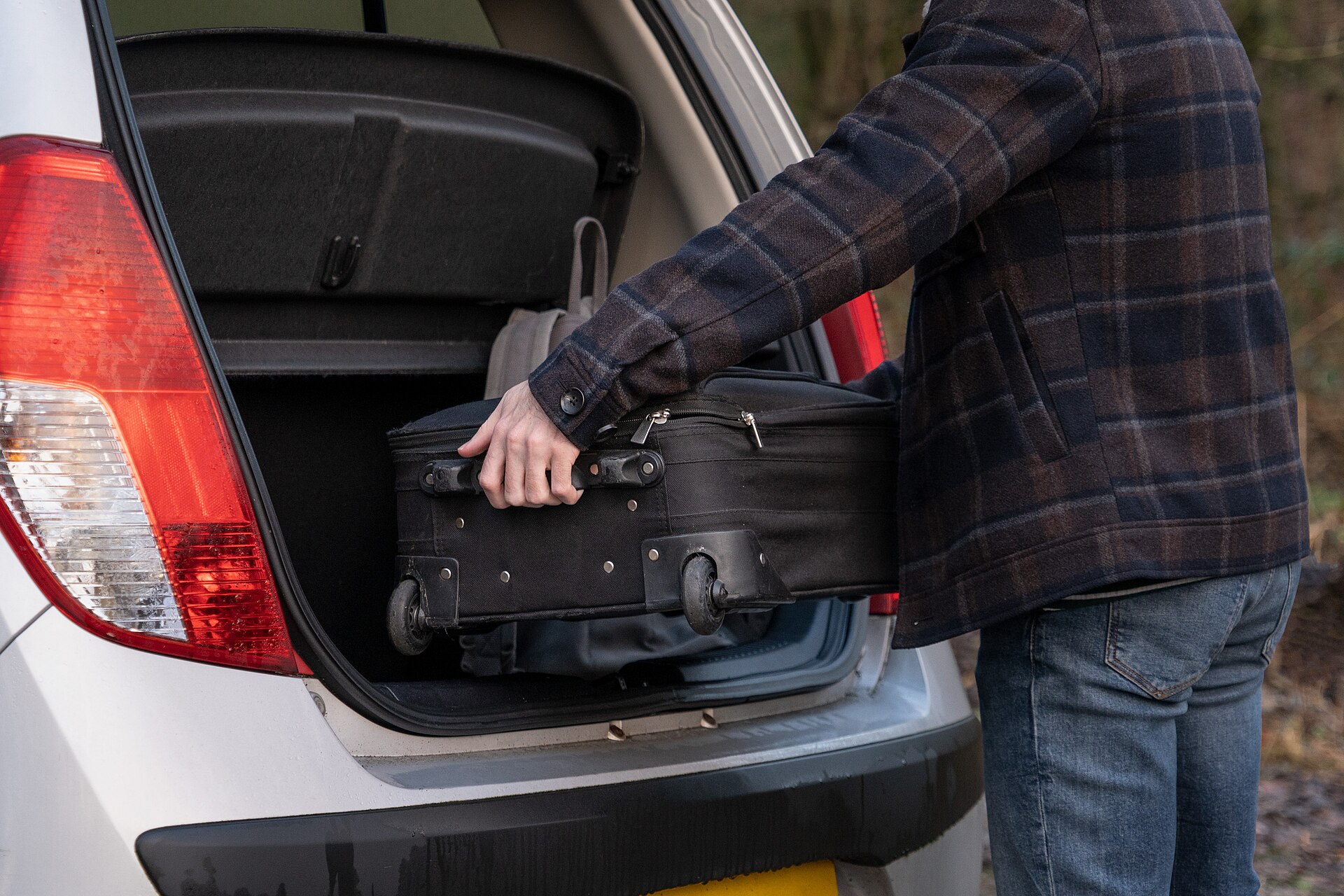
Everything meant only for the final destination goes in the back of the trunk, packed heaviest items first and pushed toward the center to reduce shifting during sudden stops.
Road Trip Essentials That Aren’t on a Flight Packing List
- A physical car charger and offline maps, since cell coverage isn’t guaranteed on rural stretches.
- A small emergency kit: jumper cables, a tire pressure gauge, a flashlight, and a basic first aid kit.
- A cooler stocked with water and snacks, which cuts both cost and time spent stopping for food.
- Sunglasses and a phone mount, since long stretches of daytime driving make both genuinely necessary rather than optional.
- Cash and coins for tolls or rural gas stations that don’t accept cards.
Clothing Strategy for Multi-Day Drives
Layer for the Whole Route
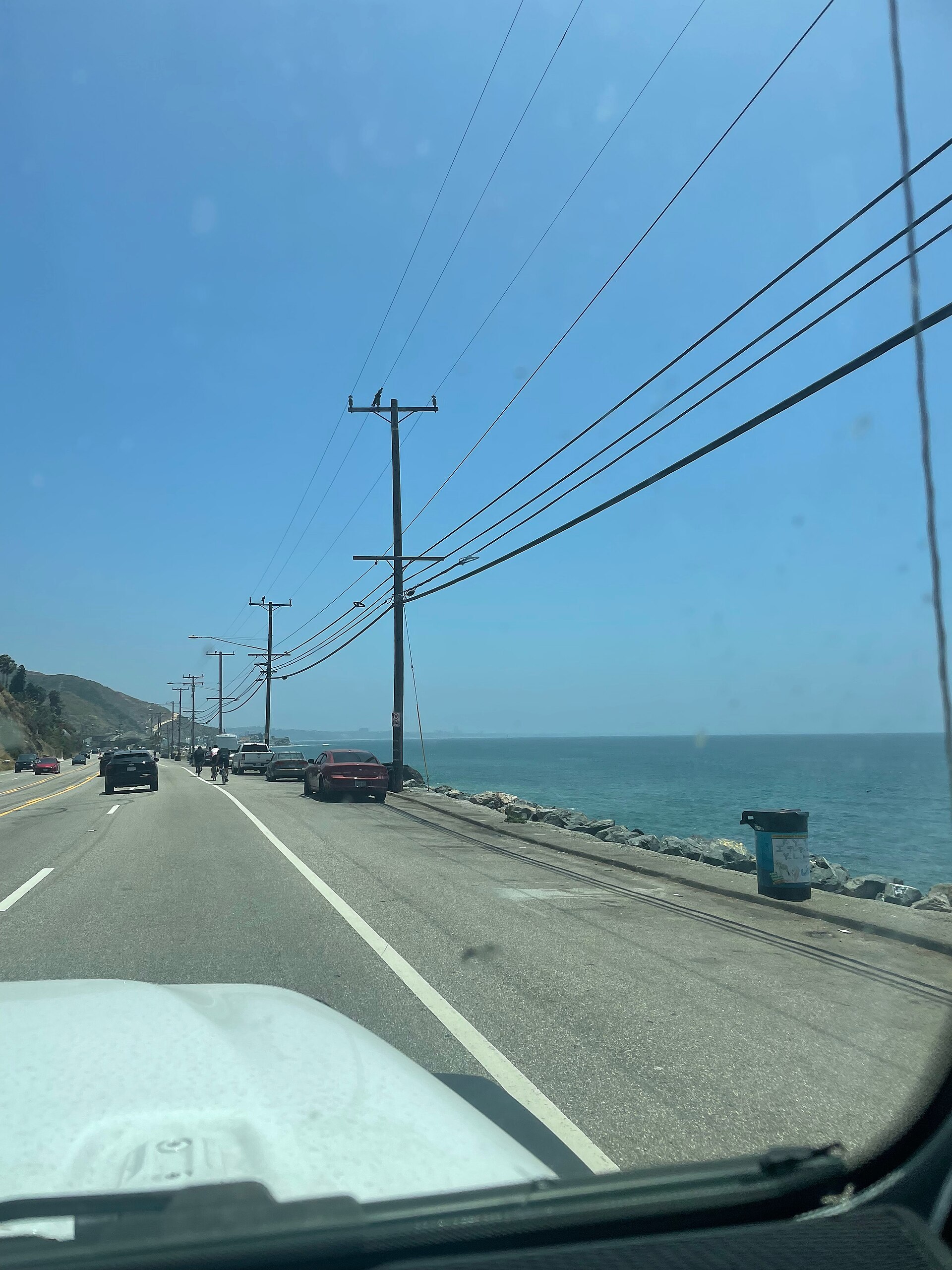
Road trips often cross climate zones in a single day, especially routes that gain or lose elevation. Pack layers you can add or remove rather than assuming the weather at your starting point will hold for the whole drive.
Keep Driving Clothes Separate
Comfortable, loose clothing for the driver makes a real difference over long hours behind the wheel. Keep it separate from destination outfits so you’re not digging through nicer clothes just to find something comfortable for the road.
Safety Notes Worth Taking Seriously
Loose items in the backseat or cargo area become projectiles during sudden braking or an accident. Secure heavier bags with cargo nets or bungee cords, and avoid stacking luggage high enough to block the rear window.
What Road Trip Data Shows
AAA has reported that road trips remain one of the most popular vacation formats in the United States year after year, with trunk organization and emergency preparedness consistently cited as the details travelers most often overlook until it’s too late. Travel+Leisure has similarly noted that a well-organized car, not a bigger one, is what actually makes multi-stop road trips feel manageable.
Practical Takeaway
Split your packing into an overnight bag, a reach-zone bag, and main luggage rather than one undifferentiated pile. Add road-specific essentials like a physical charger, offline maps, and an emergency kit that a flight packing list would never include, and secure everything so a sudden stop doesn’t send it flying.
Conclusion
If a flight is part of the plan too, our Prague travel guide pairs well with a scenic drive on either end. A road trip packing list succeeds or fails on organization, not volume. Zone your bags by when you’ll need them, keep road-specific essentials within reach, and layer for climate changes along the route. Get the system right once, and every stop on a multi-day drive gets faster and less stressful.
Related Articles

Hiking Packing List: What to Bring for the Trail
A hiking packing list built around smart layering, the Ten Essentials, and a daypack…

Business Travel Packing List: What to Bring for a Work Trip
This business travel packing list covers the bag setup, clothing strategy, and electronics worth…

Ski Trip Packing List: What to Bring for the Slopes
This ski trip packing list breaks down the layers, accessories, and après-ski essentials you…