Hiking Packing List: What to Bring for the Trail

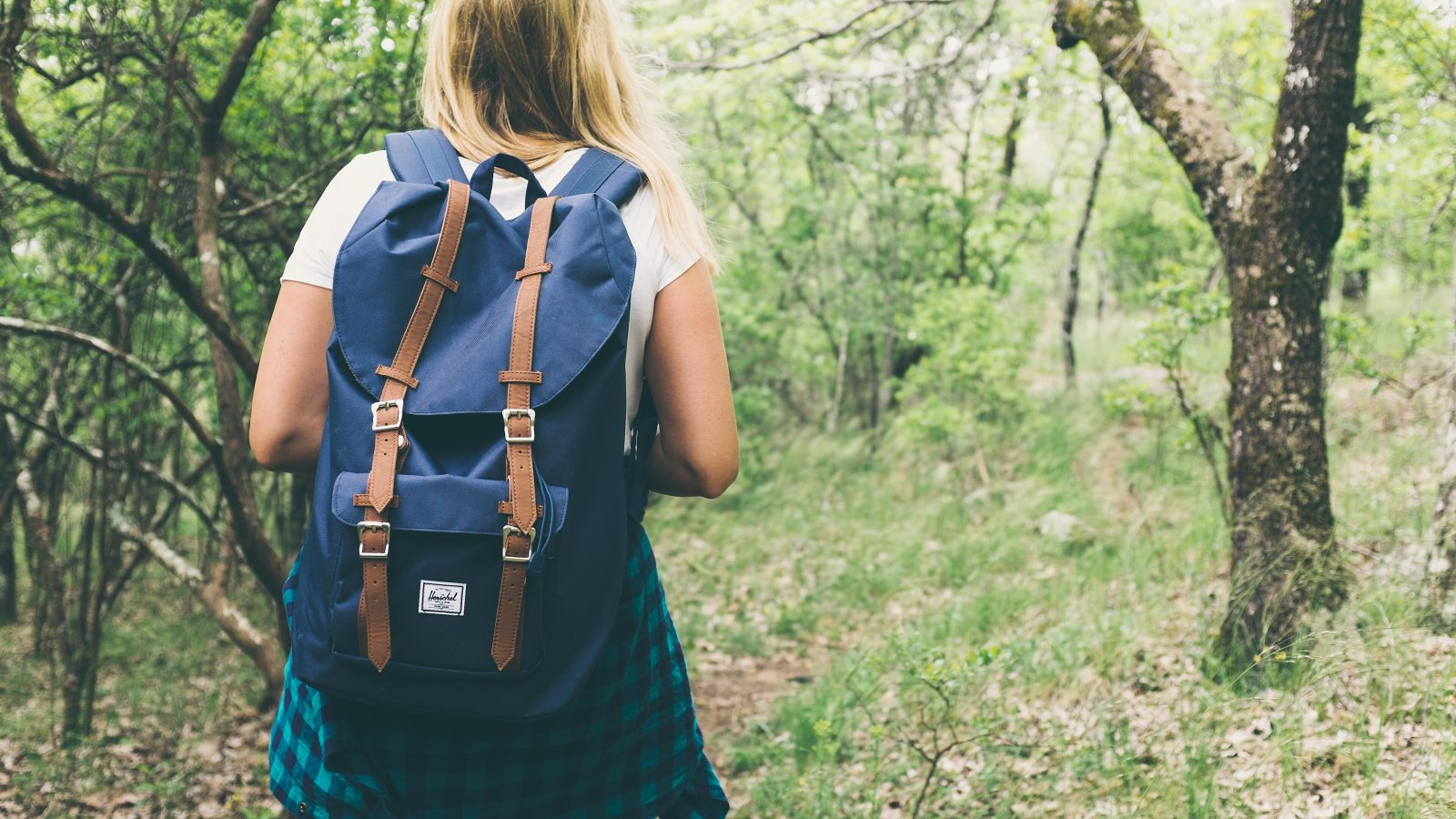
A good hiking packing list is less about buying every piece of gear on the shelf and more about layering right and covering a short set of essentials that hold up no matter how a trail day goes. Weather on exposed trails can shift fast, and a pack that’s too heavy is almost as much of a problem as one that’s missing something critical. This guide breaks down what actually earns a spot in your daypack, from the layers you’ll wear to the small items that matter far more than their size suggests.
This is built around a day hike rather than a multi-day trek, though most of it carries over if you’re heading out for longer.
Start With the Layering System, Not a Shopping List
Layering is the backbone of any hiking packing list, because it lets you adjust to temperature swings without carrying a different outfit for every possible condition.
Base layer: wick, don’t hold, moisture
A moisture-wicking base layer, whether merino wool or synthetic, pulls sweat off your skin so it can evaporate instead of leaving you clammy and cold. Cotton does the opposite: once it’s wet, it stays wet, which is why most experienced hikers avoid it entirely, even in summer.
Mid-layer and outer shell
A lightweight fleece or insulating jacket traps body heat, and a packable rain shell blocks wind and rain without adding much weight. Even on a forecast that promises sun all day, mountain and coastal trails can turn on you fast, so both layers are worth packing even when you don’t expect to use them.
The Ten Essentials, Trimmed for a Day Hike
Search and rescue groups have used some version of the “Ten Essentials” checklist since the 1930s. Not every item applies to every hike, but treating this as a baseline rather than a target keeps you covered if a short hike runs long.
- Navigation: A downloaded offline map or GPS track, since phone service drops out on plenty of popular trails.
- Sun protection: Sunscreen, lip balm with SPF, and sunglasses — needed even on overcast days.
- Extra layers: Covered above, but worth repeating: pack for the coldest likely moment, not the average one.
- Illumination: A small headlamp in case a hike runs past sunset.
- First aid supplies: Blister care, any personal medication, and basic wound supplies.
- Fire starter: A lighter or waterproof matches, useful in an emergency more than for cooking.
- Repair kit and tools: A multitool and a length of repair tape cover most gear failures.
- Nutrition: More food than you think you’ll need — trail mix, bars, and something salty.
- Hydration: At least two liters for a moderate hike, more in hot or dry conditions.
- Emergency shelter: A lightweight emergency blanket, in case a hike takes longer than planned.
Choosing the Right Daypack
Size and fit matter more than brand
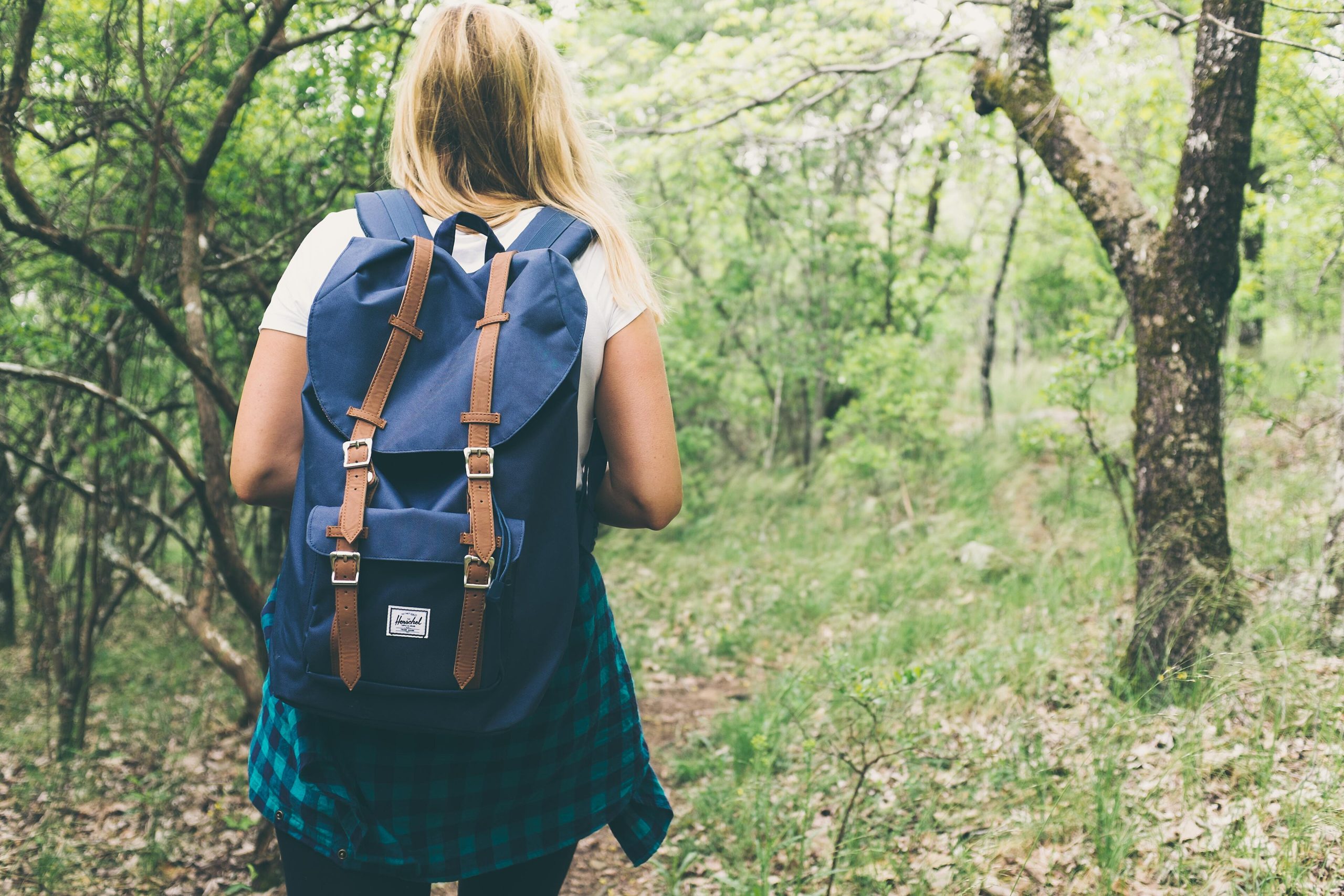
A 25-to-35-liter daypack fits most single-day trips, with enough room for layers, water, snacks, and the Ten Essentials without excess bulk. Look for a padded hip belt, which shifts weight off your shoulders, and a ventilated back panel if you’re hiking somewhere warm. Trying a pack on with some weight inside beats reading specs online — fit varies a lot between brands and torso lengths.
Footwear and socks
Lightweight, breathable hiking shoes or boots paired with non-cotton socks reduce blisters more than almost any other packing decision. Break in new footwear on shorter walks before a big hike, since trail day is the wrong time to discover a stiff seam.
Small Items That Punch Above Their Weight
- Trekking poles: Not just for mountaineers — they reduce knee strain on descents for hikers of any experience level.
- A rain cover for your pack: Cheap, light, and the difference between dry gear and a soaked sleeping layer if weather turns.
- A paper map as backup: Batteries die; paper doesn’t.
- A bandana or buff: Useful as sun protection, a sweat rag, or an improvised bandage.
Adjusting the List by Season
Hot weather hikes
In summer heat, water becomes the priority item on any hiking packing list. Plan on more than the standard two liters, add electrolyte tablets if you’ll be out for several hours, and start early to avoid hiking through the hottest part of the afternoon. A sun hoodie or long, breathable sleeves can protect skin better than sunscreen alone on all-day exposed routes.
Cold and shoulder-season hikes
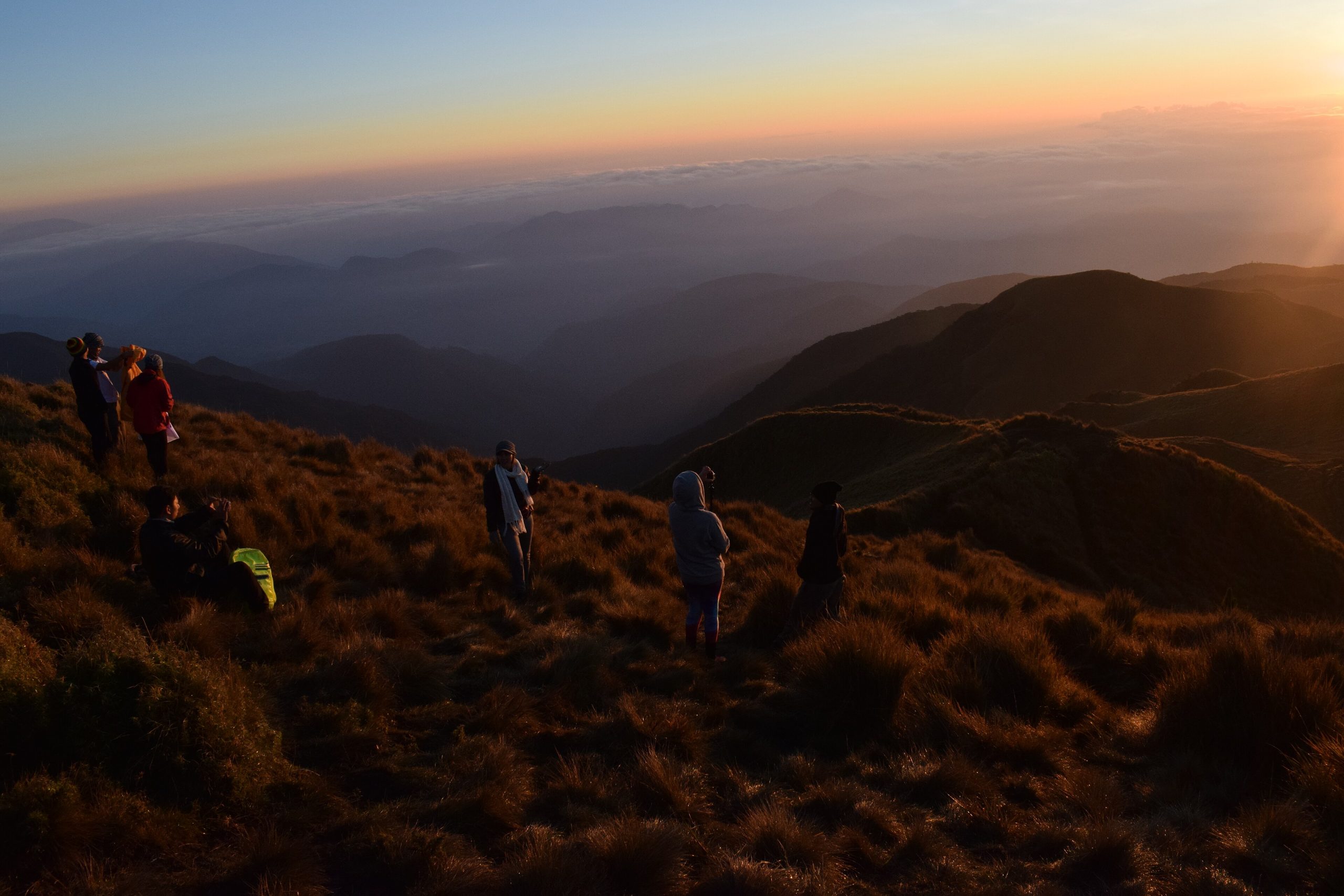
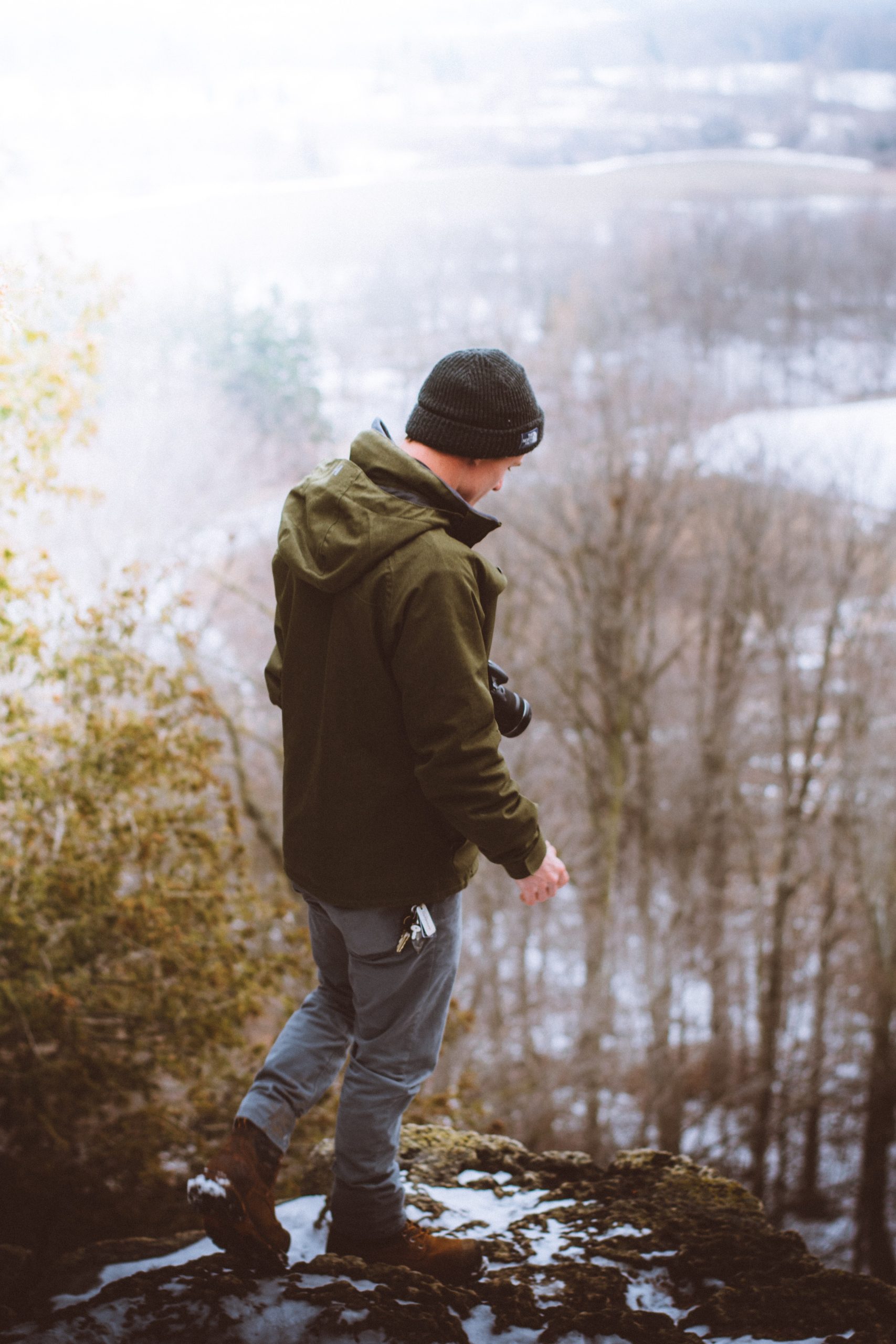
Shorter days mean a headlamp stops being optional, and traction devices for boots are worth carrying if there’s any chance of ice on shaded sections of trail. Pack an extra insulating layer beyond what feels necessary at the trailhead — temperatures at higher elevation or in shade can run noticeably colder than the forecast for the nearest town.
Practical Takeaway: Build the List Around Your Specific Trail
A hiking packing list should flex based on distance, elevation gain, and how far you’ll be from help. A well-traveled two-hour loop close to a trailhead needs far less than a remote, high-altitude route. Before you go, check the trail’s typical weather swing, water availability, and whether cell service is reliable, and adjust the list up or down from there rather than defaulting to either extreme.
Conclusion
A solid hiking packing list comes down to layering smart, covering the Ten Essentials without overthinking every item, and choosing a daypack that actually fits. None of this requires the most expensive gear on the shelf — it requires packing with the specific trail in mind, rather than copying someone else’s list wholesale. Get the fundamentals right, and the rest of the hike takes care of itself.
Looking for more trip-specific packing guides? See our safari packing list and cold-weather travel packing tips. For general hiking safety guidance, REI’s day hiking checklist is a solid reference.
Related Articles

Business Travel Packing List: What to Bring for a Work Trip
This business travel packing list covers the bag setup, clothing strategy, and electronics worth…
Road Trip Packing List: What to Bring for a Long Drive
This road trip packing list covers trunk organization, road-specific essentials, and clothing strategy for…
Ski Trip Packing List: What to Bring for the Slopes
This ski trip packing list breaks down the layers, accessories, and après-ski essentials you…