Ice Hotels in Scandinavia: Where to Sleep on Snow and Ice

Ice hotels in Scandinavia are rebuilt from scratch every winter, carved from river ice and packed snow into suites that melt away by spring. For travelers chasing the aurora borealis or simply a genuinely unusual night’s sleep, here’s what to know before booking one.
How Ice Hotels Got Started
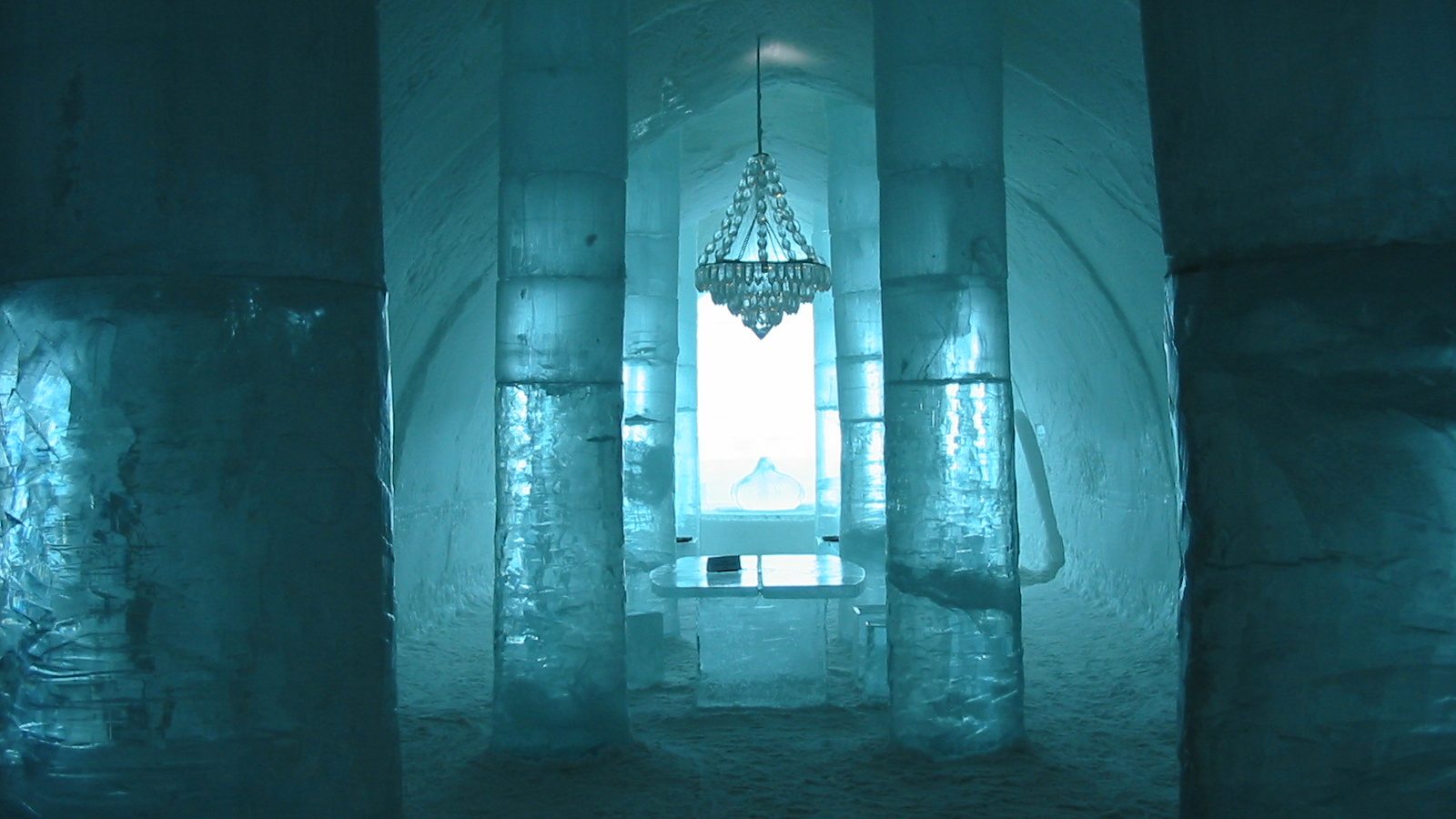
The concept began in 1990 in Jukkasjärvi, a small village in Swedish Lapland about 200 kilometers north of the Arctic Circle. What started as an art exhibition in a cylindrical igloo grew into the world’s first and largest ice hotel, rebuilt annually from ice harvested out of the nearby Torne River. The success of that original property inspired similar builds across Norway, Finland, and Canada, though the Swedish original remains the best known.
Each year, roughly 6,000 square meters of hotel is constructed from scratch, using snow sprayed onto steel forms and ice blocks cut directly from the frozen river. When spring arrives, the entire structure melts and returns to the water it came from.
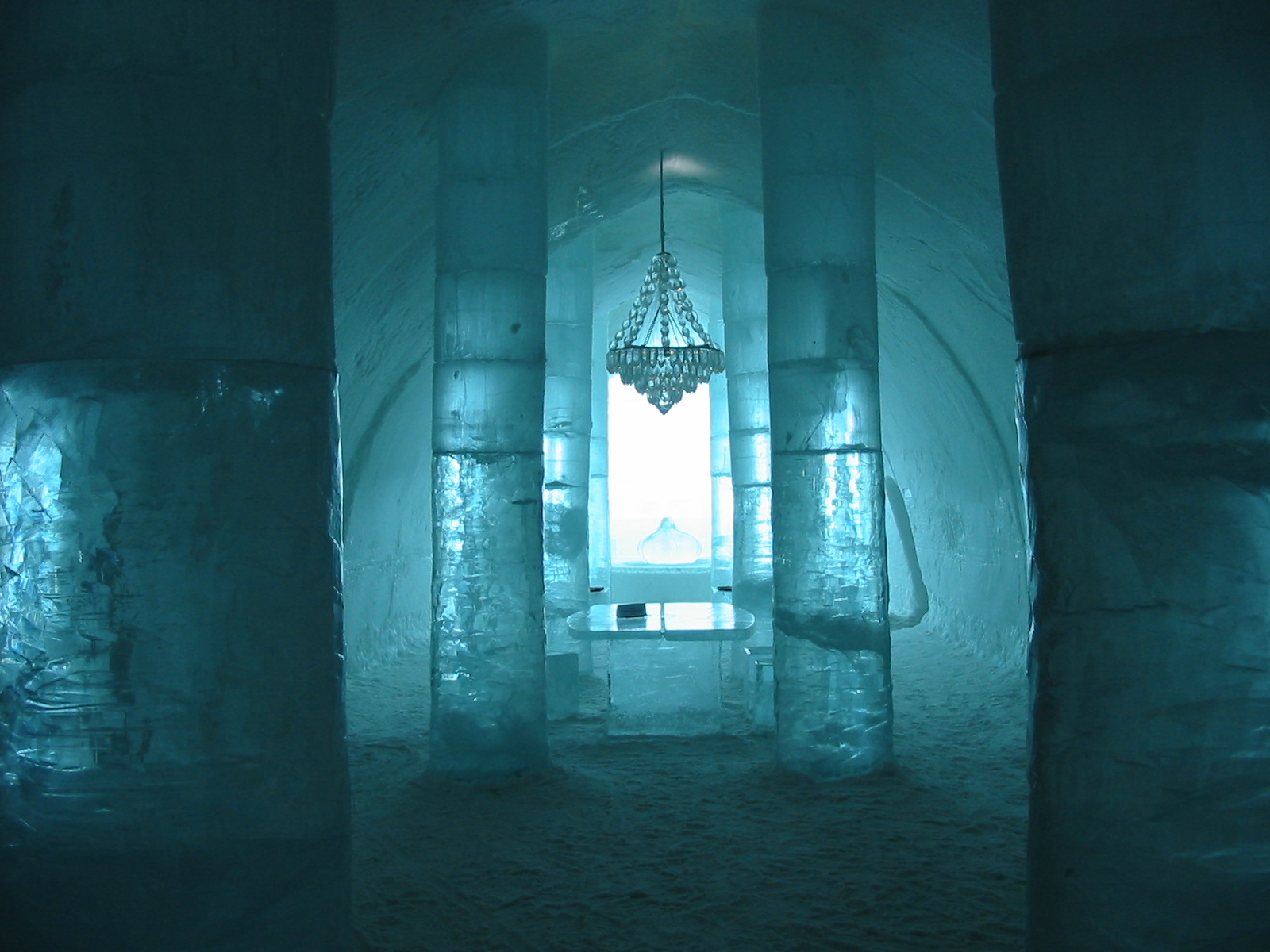
Suites are carved fresh each season, with beds built from ice and topped with reindeer hides.
Ice Hotels in Scandinavia: What to Expect
A night in an ice hotel is less about sleep and more about the experience of it. Rooms stay just below freezing, around −5°C (23°F), and guests sleep in insulated sleeping bags on ice beds layered with reindeer hides. Staff typically hand out a short briefing on how to stay warm through the night, including advice on hats and avoiding heavy layers that trap moisture.
Warm Rooms Are Usually an Option
Most ice hotel properties also operate heated rooms and cabins on the same grounds, so travelers unsure about a full ice-room night can split their stay, spending one night in the cold and the rest in comfort.
Artist-Designed Suites
Each year, dozens of ice artists submit proposals, and a jury selects a handful to design themed suites, an art gallery, and often a chapel. No two winters look the same, which means returning guests genuinely see something new each visit.
The Ice Bar
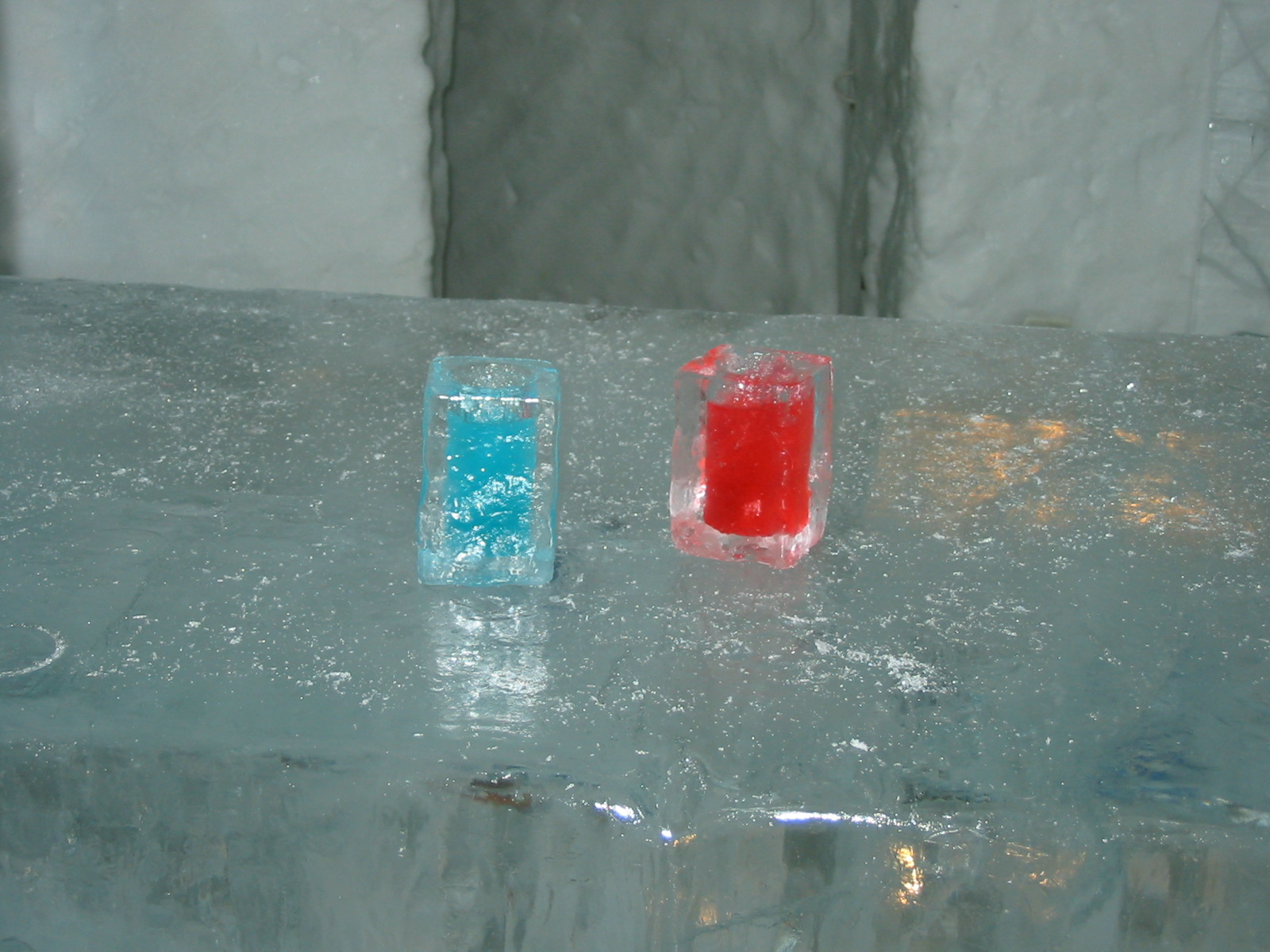
Nearly every ice hotel includes a bar carved entirely from ice, including the glasses. Cocktails are served ice-cold by design, and most bars charge for entry separately from room bookings, so it’s worth checking that detail ahead of time.
Ice bars serve drinks in glasses carved from the same river ice as the hotel itself.
When to Visit
Ice hotels typically open in December and close by April, once the ice can no longer be maintained safely. December and January offer the darkest skies and best odds of seeing the northern lights, while February and March bring slightly warmer daytime temperatures and more daylight for outdoor activities like dog sledding or snowmobiling.
Artist-designed suites change completely from one winter season to the next.
What to Pack and How to Prepare
- Bring a thermal base layer and wool socks; the hotel provides the sleeping bag and thermal liner.
- Skip cotton against the skin, since it traps moisture and cools faster than wool or synthetics.
- Store phones and cameras close to your body overnight, as batteries drain quickly in the cold.
- Book a warm room for at least one night if traveling with young children.
- Reserve well ahead for December and January stays, when northern lights season drives demand.
ICEHOTEL’s own site notes that the property now also operates a permanent, year-round cold wing alongside its rebuilt seasonal suites. Skift has covered the broader rise of design-led Arctic hospitality, pointing to ice hotels as an early example of destinations built entirely around a single, temporary structure.
Other Ice Hotels Worth Knowing
Jukkasjärvi’s ICEHOTEL may be the original, but it isn’t the only option for travelers chasing this kind of stay. Norway’s Kirkenes Snowhotel, well north of the Arctic Circle near the Russian border, follows a similar model with reindeer-hide beds and its own ice bar, and often pairs the stay with king crab fishing excursions on the Barents Sea. Finland’s Arctic SnowHotel near Rovaniemi, close to Santa Claus Village, takes a similar approach and tends to draw more families, with a heated glass-igloo option alongside the traditional snow rooms for guests who want aurora views without the cold.
Costs to Expect
A night in an ice suite typically costs more than a standard warm hotel room in the same region, often running several hundred dollars, and rates climb further during peak northern lights season in December and January. Package deals that bundle a snowmobile tour, a husky sledding excursion, or a guided aurora hunt with the room tend to offer better value than booking each piece separately.
Booking Timeline
Because rooms are limited and rebuilt only once a year, popular dates around the winter holidays and February school breaks can sell out six months or more in advance. Travelers with flexible dates in March, closer to the end of the season, often find both better availability and milder daytime temperatures for outdoor activities.
What Locals and Guides Recommend
Staff at these properties consistently point to layering as the biggest factor in a comfortable night, more so than any single gear purchase. A thin base layer, a mid layer, and loose sleepwear inside the provided sleeping bag tend to work better than one thick layer, since trapped air insulates more effectively than tight, heavy fabric.
Conclusion
Ice hotels in Scandinavia aren’t for travelers chasing a conventional good night’s sleep, but for a once-a-trip experience paired with aurora viewing and Arctic scenery, they remain one of the region’s most distinctive stays, and one that photographs unlike almost anywhere else on a winter itinerary. Pick your dates around the northern lights season, pack the right layers, and consider splitting the stay between an ice suite and a warm room to get the best of both. Craving somewhere warmer next? Our guide to where to eat in Istanbul covers an entirely different kind of trip.
Related Articles
Lighthouse Hotels: Where to Sleep at the Edge of the Sea
Lighthouse hotels turn decommissioned beacons and keeper's cottages into some of the coast's most…

Vineyard Hotels: Where to Stay Among the Vines
Vineyard hotels turn working wine estates into overnight stays, from Tuscany's Brunello country to…
Riad Hotels in Marrakech: Where to Stay in the Medina
Riad hotels in Marrakech turn centuries-old courtyard houses into some of the medina's most…