Kyoto was Japan’s imperial capital for over a thousand years, and that history is still visible everywhere — in wooden temples, quiet gardens, and neighborhoods that have barely changed in generations. Here’s a practical guide to visiting Kyoto, covering the sights worth prioritizing and how to plan your time.
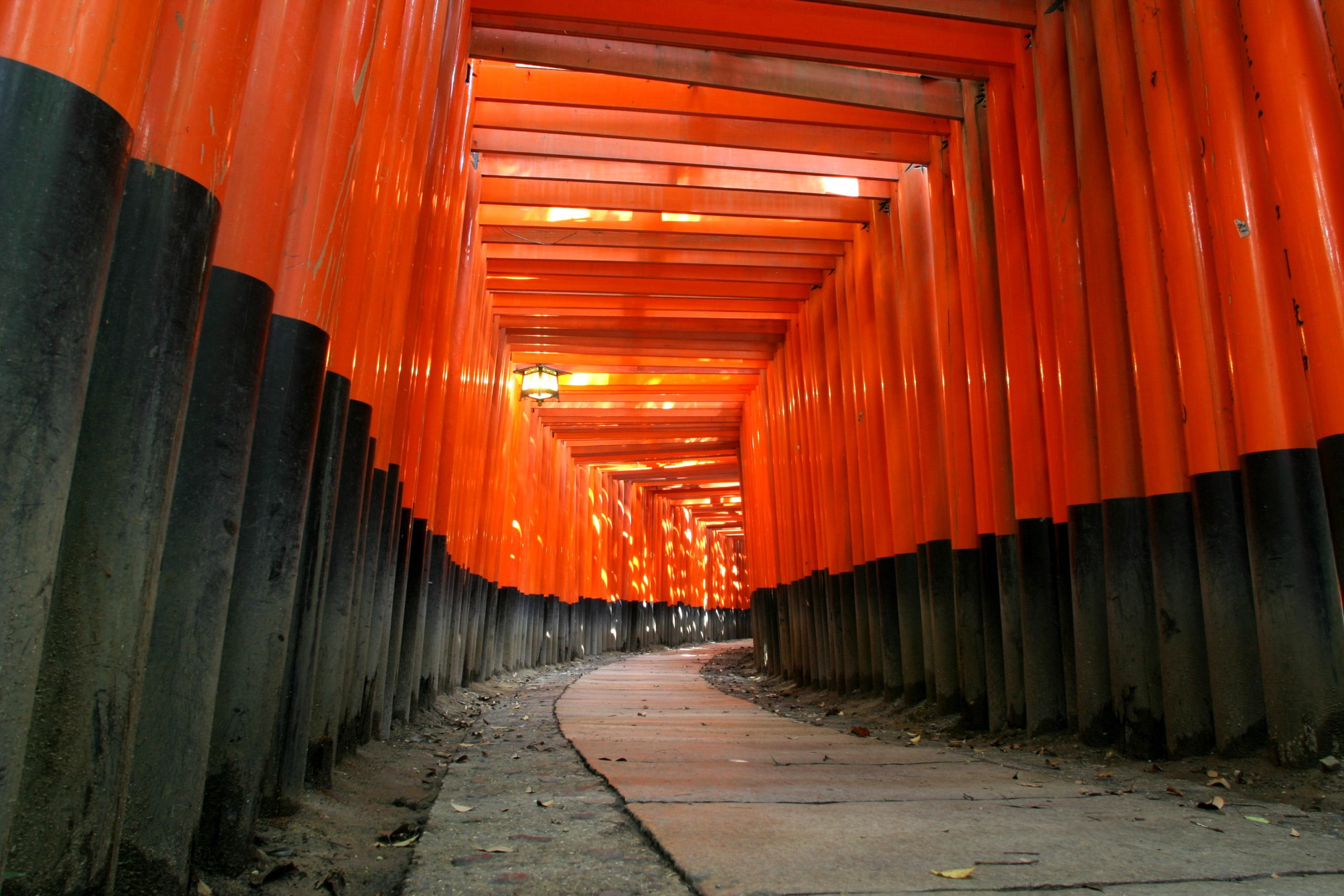
Walk Through the Torii Gates at Fushimi Inari
Fushimi Inari Taisha’s thousands of vermilion torii gates winding up the mountainside are one of the most photographed sights in Japan, and for good reason. The shrine is free to enter and open 24 hours, so arriving early in the morning is the best way to see the lower gates without crowds. The official Japan National Tourism Organization site has more detail on visiting hours and access.
Visit Kinkaku-ji, the Golden Pavilion
Kinkaku-ji’s top two floors are covered in gold leaf, and the reflection in the surrounding pond makes it one of the most striking temple views in the country. It’s a popular stop, so visiting on a weekday morning tends to be quieter than weekends or holidays.
Explore the Arashiyama Bamboo Grove
The bamboo grove in Arashiyama is a short, atmospheric walk best experienced early in the day before tour groups arrive. Nearby you’ll find Tenryu-ji temple and its gardens, along with the Togetsukyo Bridge over the Katsura River — easily combined into a half-day outing on the western edge of the city.
Wander Gion, Kyoto’s Historic Geisha District
Gion’s preserved wooden machiya houses and narrow lanes are best explored in the early evening. Visitors may spot a geiko or maiko on their way to an appointment — if you do, keep a respectful distance and avoid blocking their path, as outlined in local visitor guidelines published by the Kyoto City Tourism Association.
Experience Kiyomizu-dera
This wooden temple, built without a single nail, sits on a hillside with panoramic views over Kyoto, especially striking during cherry blossom season and autumn foliage. The approach through Higashiyama’s preserved streets, lined with shops and teahouses, is worth the walk on its own.
Getting Around and Planning Tips
Kyoto’s bus and train network covers most major sights, and a day pass is often worthwhile if you’re planning several stops. Japan Rail operates the shinkansen connection from Tokyo and Osaka — timetables and passes are listed on the Japan Rail Pass website. As with any international trip, it’s worth confirming current visa and entry requirements for Japan before you travel.
Kyoto rewards slower travel — mornings at temples before the crowds, afternoons wandering neighborhoods without a fixed plan. If you’re building out a longer Japan itinerary, take a look at our other Asia travel guides, including destinations in Thailand and Indonesia.